

Hey there! As a supplier of diesel water pumps, I often get asked about the fuel consumption of these bad boys. So, I thought I'd sit down and write a blog post to break it all down for you.
Let's start with the basics. Diesel water pumps are super handy in a whole bunch of situations. Whether it's for agricultural irrigation, construction site de - watering, or even emergency flood control, they're reliable workhorses. But one of the key things to consider when using them is how much fuel they guzzle.
First off, it's important to understand that the fuel consumption of a diesel water pump isn't a one - size - fits - all deal. There are several factors that can affect how much diesel a pump uses.
Engine Size
The size of the diesel engine powering the water pump is a major factor. Generally speaking, larger engines consume more fuel. A small - sized diesel water pump, like the Portable 4 - stroke Air - cooled Diesel Water Pump, which is great for small - scale tasks such as watering a small garden or emptying a small pool, usually has a relatively low - powered engine. These pumps might have engines in the range of 2 - 5 horsepower (HP). They're designed to be fuel - efficient, using anywhere from 0.1 to 0.3 gallons of diesel per hour under normal operating conditions.
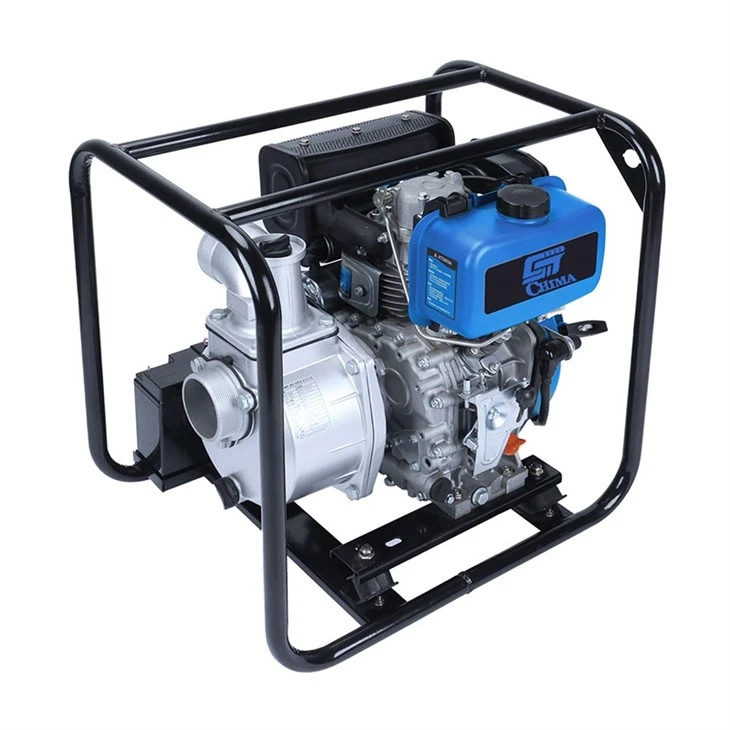
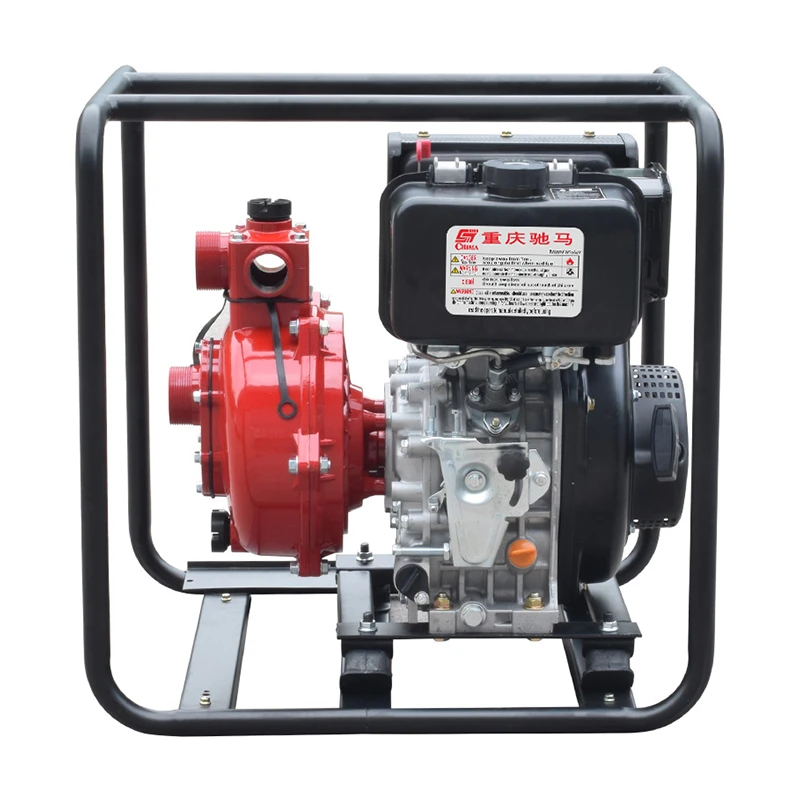
On the other hand, if you're looking at a heavy - duty pump for large - scale agricultural irrigation, like the Agricultural Irrigation High Volume Diesel Water Pump, the engine could be 10 HP or more. These bigger engines need more fuel to generate the power required to move large volumes of water over long distances or to higher elevations. A 10 - HP diesel water pump might consume around 0.5 to 1 gallon of diesel per hour.
Pump Load
The load on the pump also plays a huge role in fuel consumption. If the pump has to work hard to lift water from a deep well or push water through a long and narrow pipe, it'll use more fuel. Think of it like driving a car up a steep hill; the engine has to work harder, so it burns more gas.
For example, if you're using a diesel water pump to irrigate a field on flat ground, the pump doesn't have to overcome much elevation change. This means it can operate with a relatively light load, and fuel consumption will be lower. But if you're pumping water up to a storage tank on a hill, the pump has to work against gravity, and you'll notice an increase in fuel usage.
Pump Efficiency
The efficiency of the pump itself is another factor. A well - designed and maintained pump will use fuel more efficiently. Modern diesel water pumps are often designed with advanced technologies to improve their efficiency. For instance, some pumps have better impeller designs that can move water more effectively with less energy input.
When a pump is old or hasn't been properly maintained, its efficiency can drop. Worn - out parts, like seals or bearings, can cause the pump to work harder than it should, leading to increased fuel consumption. So, regular maintenance is crucial to keep your pump running at its best and using fuel efficiently.
Operating Conditions
The operating conditions can also affect fuel consumption. If the temperature is extremely cold, the diesel fuel might not burn as efficiently, and the engine might need to work harder to start and maintain operation. High - altitude locations can also impact fuel consumption because the air is thinner, which can affect the engine's combustion process.
Let's take a look at some real - world examples to give you a better idea of how these factors interact.
Suppose you have a small farm and you're using an Agriculture Air Cooled Diesel Engine Driven Irrigation Water Pump to water your crops. The pump has a 3 - HP engine, and you're pumping water from a nearby stream to your fields on flat ground. Under normal operating conditions, this pump might use around 0.15 gallons of diesel per hour.
But if you suddenly need to pump water to a higher elevation because you're filling a storage tank on a small hill, the pump has to work harder. The load increases, and you might see the fuel consumption go up to 0.25 gallons per hour.
If the pump hasn't been maintained properly, and the impeller is a bit worn, the efficiency drops. This could cause the fuel consumption to increase even further, maybe up to 0.3 gallons per hour.
So, how can you manage fuel consumption when using a diesel water pump?
First, choose the right pump for the job. Don't go for an oversized pump if you don't need it. An oversized pump will use more fuel than necessary. Second, make sure to maintain your pump regularly. This includes changing the oil, checking the filters, and inspecting the impeller and other parts for wear.
Also, try to optimize the operating conditions as much as possible. For example, if you can, choose a location for the pump where it doesn't have to work against too much elevation change. And in cold weather, use additives to improve the fuel's performance.
In conclusion, understanding the fuel consumption of a diesel water pump is essential for anyone who uses these pumps. By considering factors like engine size, pump load, pump efficiency, and operating conditions, you can make more informed decisions about which pump to buy and how to use it efficiently.
If you're in the market for a diesel water pump, we've got a great range of products to suit your needs. Whether it's a small - scale portable pump or a high - volume agricultural pump, we can help you find the right one. Don't hesitate to reach out if you have any questions or want to discuss your specific requirements. We're here to assist you in making the best choice for your project and helping you keep your fuel costs down.
References
- General knowledge of diesel engine and pump technology
- Industry reports on diesel water pump performance and fuel consumption