

Generators
What Is Generators?
A generator is a rotating electrical machine that transforms mechanical energy into electrical energy. It achieves this through the interaction of the two main elements of which it is composed: the moving part called the rotor, and the static part called the stator.When an electric generator is in operation, one of the two parts generates a magnetic flux (acting as an inductor) for the other to transform it into electricity (acting as an armature).Electric generators are differentiated according to the type of current they produce.
Advantages of Generators
Power generation flexibility
Electric generators can generate electricity in diverse locations and situations. They can be used in remote areas, construction sites, emergencies, and any location without reliable access to the power grid. Generators allow for on-demand power generation where and when it is needed.
Backup power supply
Generators serve as reliable backup power sources during power outages or in areas with unreliable electricity supply. They can provide temporary electricity to homes, businesses, hospitals, and critical infrastructure, ensuring uninterrupted operations and essential services.
Quick power availability
Generators can provide electricity almost immediately after starting. This quick power availability is crucial in emergencies, construction projects, or when time-sensitive operations must continue without interruption.
Energy source flexibility
Generators can be designed to operate on various energy sources, such as diesel, natural gas, propane, gasoline, steam, or renewable sources like wind or solar. This versatility allows using different fuel types based on availability, cost, or environmental considerations.
Economic benefits
Electric generators can lead to economic benefits in several ways. They can reduce downtime and productivity losses during power outages and provide power for remote operations. In regions with unreliable power grids, generators can help maintain operations, attract investments, and promote economic growth.
Emergency and disaster preparedness
Generators are essential components of emergency preparedness plans. They can provide power during natural disasters, emergencies, or situations where the main power grid is disrupted. This ensures that critical services, communication systems, and life-saving equipment remain operational.
Environmental considerations
Some generators are designed to operate on renewable energy sources, such as wind or solar. This allows cleaner power generation reducing reliance on fossil fuels and minimising environmental impact.


Why Choose Us
Our factory
Founded in 2006, the company has convenient transportation and beautiful environment, with a total area of more than 20,000 square meters.
200+ employees
With more than 200 employees, the company has high-quality technical personnel and a high-quality team, which can provide customers with perfect after-sales service in a timely manner.
Worldwide sales
Product sales cover more than 20 provinces and cities in China, such as Chongqing, Yunnan, Sichuan, Guizhou, Guangxi, Guangdong, Shandong, Heilongjiang, Hunan, Hubei, etc., and a number of the company's products have entered the agricultural machinery subsidy catalog. The company's products have been exported to Nigeria, Australia, India, the Philippines, Thailand, Vietnam and other countries in batches and obtained independent export rights.
Complete process system
The company has a strict organizational structure, perfect management system, strong technical force and rich manufacturing capacity.
Types of Generators
Standby generators
Standby generators create enough electricity to power an entire home, from lights to air conditioning and more. In case of a power outage, standby generators can turn on automatically. This means no downtime in the dark and no throwing out food from a warm refrigerator.
Portable generators
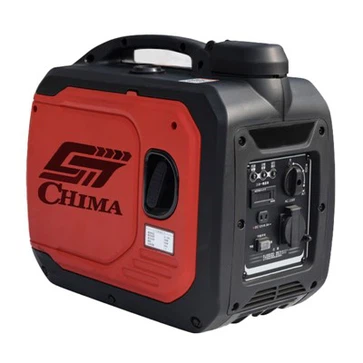
Because of their smaller size, portable generators don't produce enough electricity to power an entire house or construction site. But for charging phones on camping trips or powering electric tools, portable generators work perfectly. They are also a more affordable option.
Inverter generators
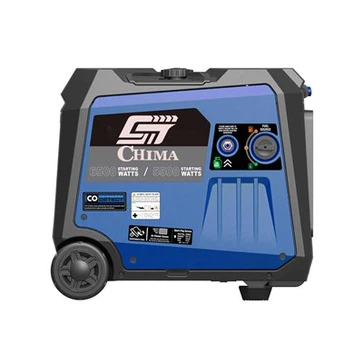
Inverter generators use a specialized process to create clean energy. Clean energy creates a more stable output than standard generators. This specialized process makes inverter generators quieter, more fuel-efficient and safer for charging sensitive electronics like laptops or phones.
Induction generators
Induction generators work by creating electromagnetic fields that turn an internal rotor at varying speeds. In order to start this process, induction generators require a large amount of mechanical energy. For this reason, induction generators are most often used in wind turbines and mini hydro plants.
Industrial generators
Industrial generators can operate much like any standard generator, but with a noticeable difference in size and durability. These generators are so large they are often transported by crane or forklift. They can produce up to two megawatts of power and are made to withstand weather conditions, transportation and other strains found at industrial plants.
Gasoline generators
Gasoline generators are popular for both at-home and commercial use because they tend to be affordable when compared to other generators. However, this may not be the case over the long term. Diesel is usually less expensive than gas, so the cost of replacing fuel year to year may add up to an overall higher price.
What Type of Fuel DoGenerators Use
Gasoline
Gas-powered generators are convenient and affordable. Most of the time, gasoline is a plentiful fuel source. But prices can go up and down over time and there may be limited availability when you need it most—such as during a natural disaster.
Diesel
More efficient than gasoline generators, diesel generators are a better fit for homes in extreme environments since they can handle winter temperatures. Theyre only practical as whole home generators, though, since they arent very portable.
Solar
Finally, there are solar generators, which use energy from the sun to produce electricity. You can install solar panels on your roof to power a whole home standby generator, or use portable solar panels to power a portable generator.
Application of Generators
Generators are synonymous with disaster preparedness and emergency use is one of their most common jobs. Generators'usefulness during a natural disaster such as a hurricane or flood that knocks out power for days on end ranges from convenient to downright life-saving. Extremes of hot and cold kill Americans every year, and the ability of a generator to power something as simple as a space heater during a blizzard could mean the difference between life and death.
When the power goes out for non-emergency reasons, a high-capacity standby backup generator can keep you on your daily routine without missing a beat. But because most Americans only deal with outages for a few hours per year on average, many consumers opt for a smaller, portable generator that can keep the fridge running, a few fans blowing, and other minor appliances powered until the juice comes back.
When it comes to grid power reliability, commercial enterprises have much more at stake than the average homeowner. A few hours of downed equipment could mean millions of dollars in missed orders and customers lost forever.
Whether it's a generator for RV camping or the good old-fashioned, open-air variety, these machines add a touch of civilization to the rugged outdoors. You may want to power an electric skillet, lights, a fan, or an electric fillet knife for those fresh-caught fish, so you won't need too much generating capacity.
As one might imagine, construction sites are often cut off from readily available power supplies. But that doesn't mean everything gets done by hand. Huge diesel generators are often trailed in to support the machinery, trailers, ventilation, water pumps, security, and more, with portable generators powering table saws, grinders, drills, and other power tools. There's even a special class of generators for welding that combines a welder with a generator. Learn how generators power construction sites (and other options for power generation).
Like construction sites, mines are often primitive environments that depend on generators to get things done. An estimated 70% of the average mining operation's electricity comes from generated electricity, which powers shovels, drills, and excavators. It also lights the tunnels deep underground to allow the miners to work.
Components of Generators
Frame
Shields electrical and moving parts. Keeps dirt and moisture out.
Rotating shaft
Connects to the engine motor or propellers in wind/water generators and spins the armature inside the stator.
Stator
A stationary magnetic field with large copper windings.
Armature
Creates electromagnetic induction by spinning inside the stator of opposing magnetism.
Bearings
Reduce friction caused by the rotation.
Field windings
A coil that creates a magnetic field through which current flows.
Commutator
A conductor through which electricity collects.
Brush assembly
Rubs against the commutator that sends electrical current out.
1. Timely removal of worn out parts
If a part in your generator is getting old, replace it before it goes out completely. While it may seem like an unnecessary expense, replacing the parts of your generator at the end of its documented lifespan will save you money and ensure a longer life for your generator.
2. Maintain general cleanliness of the generator and its surroundings
This may sound like a no-brainer, but it's the simplest and easiest way to ensure a full life for your generator, whether it's diesel or gas-powered.
3. Inspect batteries and wiring regularly
Units that stay outside, especially those used during a storm, can take a beating. Regularly inspect the unit to confirm there are no loose clamps or wire connections.
4. Replace fluid and lubrication oil in your generator
You don't always know when the next big storm will hit, so it's best to have these items on hand before you need them.
5. Air filter
Again, much like your vehicle, your generator will need a replacement air filter at some point. When to do so depends on how often you use your generator and whether it's on standby or continuously in use.
6. Lock it down
Many generator owners need to pay more attention to this important step when thinking of long-term generator maintenance. The only thing worse than loud generator buzzing is the sound of silence when someone has stolen your costly investment.Since generators are often stored or used outside, take some time to secure them to your property, especially with portable generators!
Here Are Ten Useful Safety Tips to Follow When Using a Generator:


1. Do not set a generator indoors or in an enclosed space. The generator must be placed at least 20 feet from the house, and the engine when exhaust must be directed away from windows or doors.
2. When buying a generator, it must have a built-in carbon monoxide (CO) safety technology. There are new generators that have a device that detects dangerous levels of carbon monoxide and turns off the machine when levels rise too high.
3. Avoid electrical hazards. The outlets on the generator can be used if you do not have a transfer switch yet. Just make sure you follow certain precautions. Thus, it is advisable to plug in devices directly to the generator.
4. Do not attempt to backfeed your house. Backfeeding refers to the attempt to power the wiring on your home by plugging the generator into a wall outlet.
This reckless and dangerous act could present an electrocution risk to utility workers and neighbors with the same utility transformers. Thus, this could also be a cause of an electrical fire.
5. Install a transfer switch prior to the next storm. The purpose of a transfer switch is to connect the generator to your circuit panel and allows you to power hardwired appliances while averting the safety risk of using extension cords.
6. Never set a portable generator in the rain. Keep your generator shielded from the rain. Never operate a generator inside a wet or damp area to avoid electrocution.
7. Disable a gas-powered generator and let it cool before refueling. Letting the engine cool lowers the risk of burns while refueling.
8. Keep extra gasoline and store it properly. When you store extra gasoline, be sure to store it in a container approved by the American National Standards Institute (ANSI) and position it in a cool and well-ventilated area.
9. Only use generators that are rated for the voltage and amperage required by your equipment. Using a generator that is not properly rated could cause damage to your equipment.
10. Make sure the generator is properly grounded. Your generator must properly be grounded to avoid electrocution.
Principle of Operation of an Electric Generator: Faraday's Law
The principle of operation of generators is based on the phenomenon of electromagnetic induction.
Faraday's Law. This law tells us that the voltage induced in a circuit is directly proportional to the change in magnetic flux in a conductor or loop. This means that if we have a magnetic field generating a magnetic flux, we need a coil through which a current flows to generate the e.m.f. (electromotive force).
This discovery, made in 1830 by Michael Faraday, led to the creation of the Faraday disc a year later. The Faraday disc consists of a U-shaped magnet with a copper disc twelve inches in diameter and 1/5th of an inch thick in the middle placed on a rotating shaft inside a powerful electromagnet. By placing a conductive strip rubbing against the outside of the disc and another strip over the shaft, he proved with a galvanometer that electricity was produced by permanent magnets. This was the beginning of modern dynamos, i.e. electric generators that work by means of a magnetic field. It was very inefficient and had no use as a practical power source, but it demonstrated the possibility of generating electricity using magnetism and opened the door to commutators, direct current dynamos and finally to current alternators.
As can be seen in the chapter on electromagnetism, when we have a coil in a magnetic field through which an electric current is flowing, a couple of forces appear that cause the coil to rotate around its axis. In the same way, if we introduce a coil into a magnetic field and make it rotate, we will provoke an induced current. This induced current is responsible for the e.m.f. and will vary according to the position of the loop and the magnetic field.
Other Tips to Use a Generators Safely
Make sure an expert installs your generator
A qualified electrician should install it. It should have a mark of a nationally recognized testing laboratory (like ul, intertek, or csa).
Use the right tools alongside your generator
Consider a battery-operated carbon monoxide detector. It’ll alert you if carbon monoxide levels get too high.
Before you refuel, let it cool
If you need to refuel a gas-powered generator, turn it off first. Let it cool off before you refill it. If you spill gasoline on a hot engine, it could ignite. If it’s cool, this lowers the risk of burns while you fill it up.
Stock up on fuel
In emergencies, you’ll want to make sure you have enough gasoline for your gas-powered generator. Make sure you’re prepared and store the gasoline in an ansi-approved container. Keep it in a cool, well-ventilated area. You can also add stabilizer to the gas to help it last longer. Be sure to not store the gas near any possible heat or fire sources inside or outside of your living area.
Install a transfer switch
This connects a generator to your circuit panel and will power your hardwired appliances. This will allow you to avoid extension cord and the safety risks that come with them.
Prevent electrical hazards
If you’re not able to get a transfer switch, you’ll still be able to use the outlets on your generator. But you must follow certain steps to stay safe. If it’s possible, plug appliances directly into the generator. If you need to use an extension cord, use a heavy-duty one made for outdoor use.
Make sure the generator is grounded properly
If it’s not, the generator could become electrically charged and electrocute someone.
Use hearing protection
Generators vibrate and can be noisy. Too much noise can lead to hearing loss and fatigue. Wear hearing protection to keep your ears safe.
Run your generator every now and then
Since you’ll keep your generator in storage for a while, it’s important to run it every couple of months to make sure it still works. This will help you stay prepared in case you need it during an emergency. Never keep gasoline in the generator when you’re not using it. This can damage it.
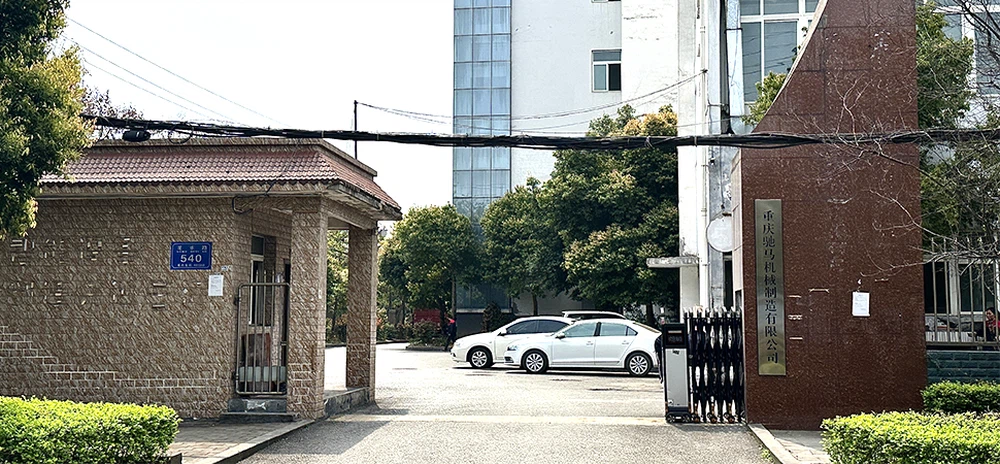
Our factory
Chongqing Chi Ma Machinery Manufacturing Co., LTD., registered in Chongqing Dazu District Longshui Town Longshui Road No. 540. Founded in 2006, convenient transportation, beautiful environment, a total area of more than 20,000 square meters, the existing staff of more than 200 people, the main production and sales of agricultural machinery accessories, chassis and whole machine, Chi Ma company's micro-cultivator chassis is the company's independent production, micro-cultivator quality and price in the industry has a very big advantage.

Our certificate


FAQ
As one of the most professional generators suppliers in China, we're featured by quality products and good service. Please rest assured to wholesale customized generators from our factory. Contact us for discount information.