

Inverter Generator
What Is Inverter Generator?
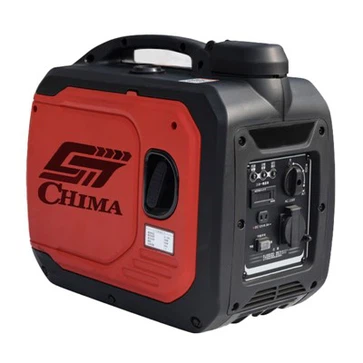
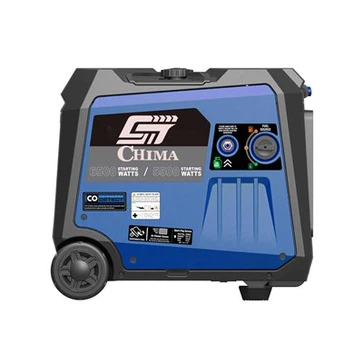
Inverter generators represent a modern advancement in portable generator technology. These generators are designed to automatically adjust their engine speeds based on the electrical demand at any given moment, as opposed to maintaining a constant speed irrespective of load. This adaptability leads to notable reductions in both fuel consumption and noise levels.
Advantages of Inverter Generator
Clean Power Output
They produce high-quality electricity, making them safe for sensitive electronics like laptops, smartphones, and medical devices. This clean power output prevents potential damage that can occur with conventional generators.
Stable Power Output
Inverter generators deliver stable and consistent power output, even under varying load conditions. This feature is essential for powering sensitive electronics and equipment that require steady voltage and frequency levels.
Quieter
Inverter generators are designed with advanced sound-dampening technology, resulting in quieter operation compared to traditional generators. This is particularly beneficial for camping, outdoor events, and residential use, where you want to keep noise pollution down.
Lightweight and Portable
Inverter generators are typically more compact and lightweight than conventional generators, making them easier to transport and store. Their portability is advantageous for camping trips, RVing, tailgating, and other outdoor activities.
More fuel-efficient
These generators adjust the engine speed based on the electrical demand, which results in improved fuel efficiency. This feature reduces fuel consumption, saving money over time, especially during extended use.
More eco-friendly
With their fuel-efficient operation and clean power output, inverter generators produce lower emissions compared to conventional generators. This eco-friendly aspect makes them a preferred choice for environmentally conscious users.


Why Choose Us
Our factory
Founded in 2006, the company has convenient transportation and beautiful environment, with a total area of more than 20,000 square meters.
200+ employees
With more than 200 employees, the company has high-quality technical personnel and a high-quality team, which can provide customers with perfect after-sales service in a timely manner.
Worldwide sales
Product sales cover more than 20 provinces and cities in China, such as Chongqing, Yunnan, Sichuan, Guizhou, Guangxi, Guangdong, Shandong, Heilongjiang, Hunan, Hubei, etc., and a number of the company's products have entered the agricultural machinery subsidy catalog. The company's products have been exported to Nigeria, Australia, India, the Philippines, Thailand, Vietnam and other countries in batches and obtained independent export rights.
Complete process system
The company has a strict organizational structure, perfect management system, strong technical force and rich manufacturing capacity.
Types of Inverter Generator

Portable generator
Portable generators can be used outside as they are a soundproof and lightweight choice. They usually run on gasoline, but some are powered with diesel or hybrid fuels. Furthermore, the load time of portable generators can go from eight to 32 hours, with an average of 10 to 15 hours.

Inverter generators
Like portable models, inverter generators can power applications and tools instantly. They are a gasoline-powered option for smaller appliances with 120 volts. These generators adjust the power input depending on the needed amount, making them cost-efficient. Inverter generators are smaller and more suitable for boats, cars, rvs, and other vehicles.

Standby generators
Unlike the two options mentioned above, standby generators aren't portable but fixed. They are used for industrial and commercial electrical systems and residential needs. A single-phase standby generator will fulfill the requirements of residential and commercial systems, while a three-phased model is required for industrial electrical systems.
Application of Inverter Generator
They are most often used as reliable backup power sources in homes during power outages, ensuring that your appliances and lights continue to function. Not only that, but they are an ideal choice for outdoor lovers and campers due to their ability to power electronic devices, lights, and even portable fridges while maintaining a quiet camping atmosphere.
Additionally, construction sites often benefit from inverter generators as well, as they efficiently power tools and machinery while being easy to transport between job sites.
Another place that may surprise you that is popular for inverter generators is parties and events. With the convenience of inverter generators, they can supply power for music, cooking equipment, and many more things around your home or venue.
Thanks to their low total harmonic distortion (thd), inverter generators protect any of your electronics, like laptops, smartphones, and televisions. This essentially means that the voltage will be less volatile, which would originally cause major problems for your electronics.
Finally, in remote or off-grid locations, these generators can function as your primary power source for your home, cabin, caravan, and many more, as they can deliver consistent electricity without needing any access to the national grid.
Differences Between Inverter Generator and Conventional Generators
Power quality
The sine wave generated by the inverter generator is clean, the total harmonic distortion is low, and it is safe for sensitive electronics and appliances. The original power voltage and frequency output by conventional generators fluctuate greatly.
01
Fuel efficiency
The inverter generator uses advanced load sensing and throttle valve technology to adjust the engine speed according to the power demand. This allows them to save fuel and operate more efficiently. Conventional generators run at a fixed rate and have low fuel economy.
02
Noise level
The noise level generated by the inverter generator is low and there are almost no large surges when starting or connecting the load. This allows them to be used in noise-sensitive environments. Conventional generators have a loud and constant engine hum.
03
Portability
Inverter generators tend to be lighter and more compact due to the use of electronic inverter components instead of bulky copper wire windings. This improves mobility and facilitates transportation to various places.
04
Paralleling capability
Some advanced inverter generators can be connected in parallel to consolidate their power output when energy demand is high. Achieving this expanded capacity using a traditional generator model is more complex.
05
Key Differences Between Inverter Generators and Traditional Generators
|
Feature |
Inverter Generators |
Traditional Generators |
|
Energy |
Stores and reconvenes energy efficiently with less than 3% total harmonic distortion, converting DC to a stable AC power suitable for sensitive electronics. |
Converts the calorific value of fuel directly into electricity using mechanical rotations, which are less efficient and more suited for high power needs. |
|
Size and Portability |
Compact and portable, ideal for camping, ranging from shoebox-sized to larger units, easy to store. |
Generally bulkier, difficult to move and transport, requiring more space. |
|
Weight |
Lighter, typically 30-50 pounds, enhancing portability for outdoor activities. |
Can weigh several hundred pounds, less portable. |
|
Noise Level |
Operates quietly, producing noise levels of 50-60 decibels, suitable for residential areas. |
Produces higher noise levels up to 80 decibels or more, causing noise pollution. |
|
Maintenance |
Requires less maintenance, has fewer moving parts, and often includes automatic shut-off features. |
Needs regular maintenance like oil changes and air filter replacements. |
How to Maintain Inverter Generator


Read and follow your manual
First and most importantly-when you get your generator, make sure to read the manual first. Everything you need from breaking in your unit to storage instructions would be there. This also prevents faulty handling, especially for first-time users, which can result in permanent damage early on.
Change your engine oil
Fresh oil contributes to the reliability of any portable inverter generator. Typically, oil changes are recommended after the first 24 hours of use and every 6 months after that. Checking your oil levels every after-use is also recommended to ensure you have enough for your next run.
Keep your air filter clean
To keep the quality of your generator at its best, clean the air filter every 50 hours or 3 months. You can easily do this with warm water and mild detergent. If your air filter shows any damage, replace it immediately with a new one.
Spark plug adjustment is a must
As the name suggests, the spark plug supplies the "spark" that ignites your generator's air/fuel mix to produce power. With such a crucial role, this part of your generator requires checking every three months and a yearly replacement to ensure optimal performance.
Run your generator regularly
Like most technical equipment, leaving your generator idle for extended periods can result in damage and sluggish performance. Even during the off-season, when you're not likely to use it, try to run it for at least 20-30 minutes with load to test its condition.
Drain the carburetor
Blocked or dirty carburettors are one of the most common causes of generator damage. Drain it after using your unit or replace it if necessary to avoid poor performance.
Clean your generator before storage
A clean, well-maintained generator will run smoothly for years, so see that you know how to keep yours free of dirt. Purchase a generator cover if necessary. Use a magnetic dipstick to remove accumulated debris inside the crankcase. Make sure all ventilation openings are not clogged. These little things may be simple but will go a long way when keeping your unit in top condition.
Practice proper storage
You want to keep your generator safe and ready for next use, so store it in a cool, dry place. Dust and dampness are the main enemies of electric components. You also want to drain all the fuel from the system and lubricate the engine's internals.
How to Choose a Inverter Generator
Output power
Carefully evaluate the start-up and sustained power needs of the equipment you plan to power and choose an inverter generator with at least 10-15% buffering. This leaves room for future electricity demand growth.
Running time
Based on your usage patterns, estimate the approximate backup time you can expect to get once your primary generator fuel tank is full. Depending on the model, the inverter generator provides 6 to 20 hours of backup time per tank of fuel.
Portability
If you frequently need to transport your generator to different locations, consider the physical size, weight, and mobility characteristics such as wheels and handles.
Socket type
Make sure that the electrical outlets and plug types comply with region-specific standards - for example, Australia's Type I socket standards are different from Type A and Type B standards.
Noise level
When operating near populated areas, a noise level of less than 65 dBA is ideal. The noise level for specific inverter models is only 58 dBA.
Budget
Finally, determine the budget limits for purchasing the generator. Although the initial cost is slightly higher than conventional models, the inverter generator is extremely cost-effective in the long run.
How Does an Inverter Generator Work?
In practical terms, an inverter generator turns fuel consumption into electricity and inverts the current to create cleaner, more stable electricity in comparison to traditional generators. This provides a more consistent wave of current, which prevents power surges that may damage your electronics.You can think of inverter generators as working in three distinct phases:
Generating AC
Alternating current (AC) is the starting point of any generator. Using a fuel source, a power generator creates unregulated AC electricity. The problem with unregulated AC is that it requires the engine to maintain a constant RPM to produce a stable and usable power output; and if the RPM deviates then the power output will deviate as well.
Converting to DC
Direct current (DC), is more stable than AC but doesn’t work as well over long distances. DC power will slowly lose energy as it travels, making it less useful for powering homes and buildings across a wide area. Inverter generators turn AC power into DC power internally, losing little energy in the process.
Converting back to AC
The final process requires DC to be converted back into a now more regulated and consistent clean AC. Because of the inversion process, this new AC electricity is more reliable and efficient, and calibrated by the generator to only put out the necessary amount of energy for your electrical needs.
How Do You Safely Operate an Inverter Generator
Always run the generator outside
Ventilation is key to allowing a generator's fumes to disperse away from populated areas. Although inverter generators produce fewer emissions, ventilation is still incredibly important. The further away you're able to run it, the better- Consumer Reports recommends a distance of 20 feet away. Try to keep the generator away from windows so the emissions can't enter a building, and point the exhaust away from people or pets.
Use the right extension cords
Generators work with high amounts of electricity, so make sure your extension cords are up for the task. They should be rated for the appropriate load, with sufficient length and thickness and a grounded, or three-pronged plug. If you're plugging in a 2,000-watt device, you'll need a cord rated for more than 2,000 watts. Keep in mind that cords are often rated in amps. If that's the case, you'll need to grab the voltage of the wire, too, and do a quick conversion - here's a handy calculator to make it easier.
Never backfeed
Backfeeding occurs when you connect a generator to an electrical outlet with a modified extension cord that has two male, or pronged, ends. This is a serious risk that energizes the entire circuit through the outlet, creating a fire hazard and a shock hazard to utility workers. If the power is out, they're working under the assumption that there is no additional power source affecting the circuits. If you want to hook up your outlets or hardwired appliances, you'll need a manual transfer switch installed by a licensed electrician.
Make sure the inverter generator is turned off before adding fuel
A hot engine and gasoline are never a good combination. Keep fire risks to a minimum by turning off the motor and cooling it down before refueling.
Consider a model with an automatic CO shut-off switch
If CO starts to build up, these generators can alert you and immediately turn off the engine, preventing further damage and safety concerns.
Read the manual thoroughly
Read the manual carefully so you're familiar with the intricacies of your equipment.
Our factory
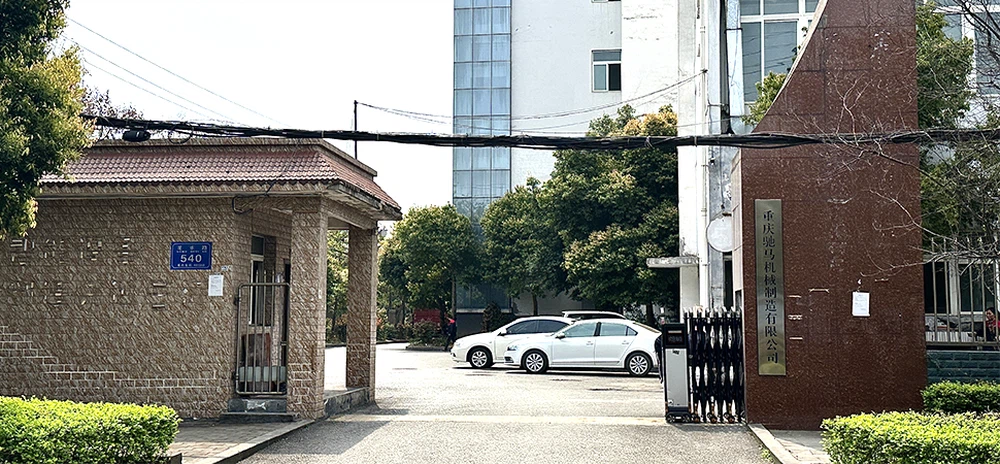
Chongqing Chi Ma Machinery Manufacturing Co., LTD., registered in Chongqing Dazu District Longshui Town Longshui Road No. 540. Founded in 2006, convenient transportation, beautiful environment, a total area of more than 20,000 square meters, the existing staff of more than 200 people, the main production and sales of agricultural machinery accessories, chassis and whole machine, Chi Ma company's micro-cultivator chassis is the company's independent production, micro-cultivator quality and price in the industry has a very big advantage.

Our certificate


FAQ
As one of the most professional inverter generator suppliers in China, we're featured by quality products and good service. Please rest assured to wholesale customized inverter generator from our factory. Contact us for discount information.