

As a supplier of two-stage snow blowers, I've received numerous inquiries about the best lubricants to use for these powerful machines. A two-stage snow blower is a significant investment, and proper lubrication is crucial for its longevity, performance, and reliability. In this blog, I'll share insights on selecting the right lubricant for your two-stage snow blower.
Understanding the Basics of Two-Stage Snow Blowers
Before delving into lubricants, it's essential to understand how two-stage snow blowers work. Unlike single-stage snow blowers, two-stage models feature an auger that collects snow and a separate impeller that throws the snow out of the chute. This dual-action mechanism allows for more efficient snow removal, especially in heavy or wet snow conditions.
Two-stage snow blowers are typically powered by gasoline engines, which require regular maintenance, including proper lubrication. The engine, auger, and impeller all have moving parts that need to be lubricated to reduce friction, prevent wear and tear, and ensure smooth operation.
Types of Lubricants for Two-Stage Snow Blowers
There are several types of lubricants available for two-stage snow blowers, each with its own characteristics and applications. Here are the most common types:
1. Engine Oil
Engine oil is the most critical lubricant for your two-stage snow blower's engine. It lubricates the moving parts, reduces friction, and helps dissipate heat. When choosing engine oil, consider the following factors:
- Viscosity: Viscosity refers to the oil's thickness or resistance to flow. In cold weather, a thinner oil (lower viscosity) is preferred to ensure easy starting and proper lubrication at low temperatures. For example, a 5W-30 oil is suitable for most winter conditions.
- Quality: Look for high-quality engine oil that meets the manufacturer's specifications. Synthetic oils are often recommended for their superior performance and protection in extreme temperatures.
2. Grease
Grease is a thick, semi-solid lubricant that is used to lubricate bearings, gears, and other moving parts that require long-lasting lubrication. It provides excellent protection against wear, corrosion, and water contamination. When applying grease, make sure to use the right type and amount for the specific application.
3. Chain and Cable Lubricant
The chains and cables on your two-stage snow blower need to be lubricated regularly to prevent rust, corrosion, and premature wear. A chain and cable lubricant is designed to penetrate deep into the links and provide long-lasting protection. Look for a lubricant that is specifically formulated for outdoor use and can withstand extreme temperatures.
Factors to Consider When Choosing a Lubricant
When choosing a lubricant for your two-stage snow blower, consider the following factors:
1. Temperature
The temperature is one of the most important factors to consider when choosing a lubricant. In cold weather, the lubricant needs to remain fluid to ensure proper lubrication and easy starting. Look for lubricants that are designed for low-temperature use and have a wide operating temperature range.
2. Manufacturer's Recommendations
Always refer to the manufacturer's recommendations when choosing a lubricant for your two-stage snow blower. The manufacturer knows the specific requirements of your machine and can provide guidance on the best lubricants to use. Using the wrong lubricant can void your warranty and cause damage to your snow blower.
3. Application
Different parts of your two-stage snow blower require different types of lubricants. For example, the engine requires engine oil, while the bearings and gears require grease. Make sure to use the right lubricant for each application to ensure optimal performance and protection.
4. Environmental Conditions
If you live in an area with harsh environmental conditions, such as heavy snow, salt, or moisture, you may need to choose a lubricant that provides extra protection against corrosion and rust. Look for lubricants that are specifically formulated for outdoor use and can withstand these conditions.
Recommended Lubricants for Two-Stage Snow Blowers
Based on my experience as a two-stage snow blower supplier, here are some recommended lubricants for different parts of your machine:
1. Engine Oil
- Synthetic 5W-30 Engine Oil: This is a popular choice for two-stage snow blowers in cold weather. It provides excellent protection against wear and tear, and its low viscosity ensures easy starting at low temperatures.
- Full Synthetic High Mileage Engine Oil: If your snow blower has high mileage, a full synthetic high mileage engine oil can help reduce oil consumption and extend the life of your engine.
2. Grease
- Marine Grease: Marine grease is a heavy-duty grease that provides excellent protection against water, salt, and corrosion. It is ideal for lubricating the bearings, gears, and other moving parts of your two-stage snow blower that are exposed to harsh environmental conditions.
- Lithium Grease: Lithium grease is a versatile grease that is suitable for a wide range of applications. It provides good lubrication and protection against wear and tear, and its high melting point makes it suitable for high-temperature applications.
3. Chain and Cable Lubricant
- Silicone Spray Lubricant: Silicone spray lubricant is a popular choice for lubricating chains and cables. It provides a thin, even coating that reduces friction and prevents rust and corrosion.
- Graphite Lubricant: Graphite lubricant is a dry lubricant that is ideal for use in dusty or dirty environments. It provides excellent lubrication and protection against wear and tear, and its non-greasy formula makes it easy to clean.
Proper Lubrication Maintenance for Two-Stage Snow Blowers
In addition to choosing the right lubricant, it's important to follow proper lubrication maintenance procedures to ensure the optimal performance and longevity of your two-stage snow blower. Here are some tips:
- Read the Owner's Manual: The owner's manual provides detailed instructions on how to lubricate your snow blower, including the type and amount of lubricant to use, and the frequency of lubrication. Make sure to read and follow the instructions carefully.
- Check the Oil Level Regularly: Check the oil level in your snow blower's engine before each use. If the oil level is low, add the recommended type and amount of oil.
- Change the Oil Regularly: Change the oil in your snow blower's engine according to the manufacturer's recommendations. This will help keep your engine running smoothly and prevent damage.
- Lubricate Moving Parts: Lubricate the bearings, gears, chains, and other moving parts of your two-stage snow blower regularly to reduce friction and prevent wear and tear.
- Store Your Snow Blower Properly: When not in use, store your snow blower in a dry, protected area. Make sure to drain the fuel and oil, and lubricate all moving parts to prevent rust and corrosion.
Conclusion
Choosing the right lubricant for your two-stage snow blower is essential for its performance, reliability, and longevity. By understanding the different types of lubricants available, and considering factors such as temperature, manufacturer's recommendations, application, and environmental conditions, you can select the best lubricant for your machine. Remember to follow proper lubrication maintenance procedures to ensure the optimal performance and longevity of your two-stage snow blower.
If you're in the market for a high-quality two-stage snow blower, we offer a range of models to suit your needs. Check out our 24 Inch Lightweight Two Stage Self Propelled Snow Blower, High Quality 24-in 252cc Power Two Stage Gas Snow Blower, and Craftsman Select 24-in 208cc Two Stage Gas Snow Blower.
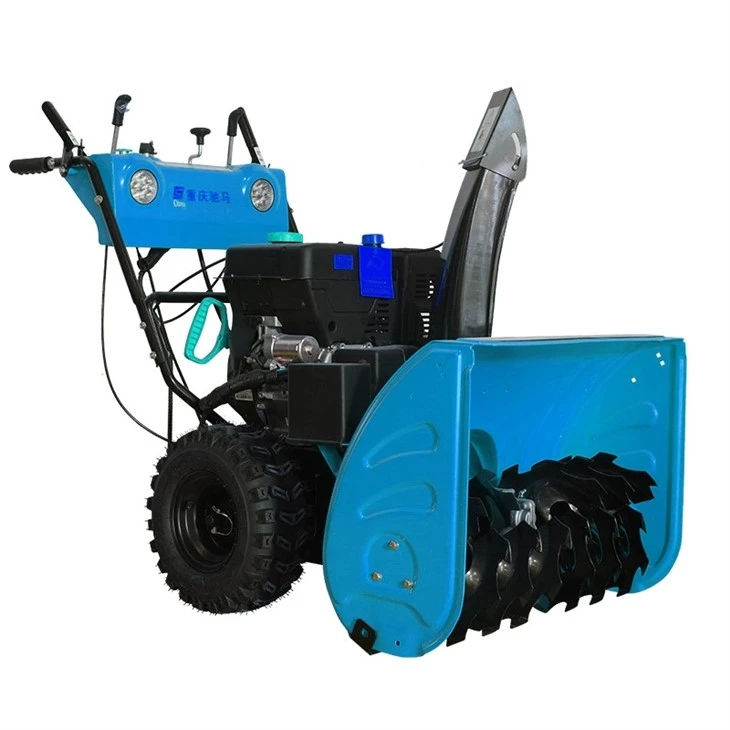
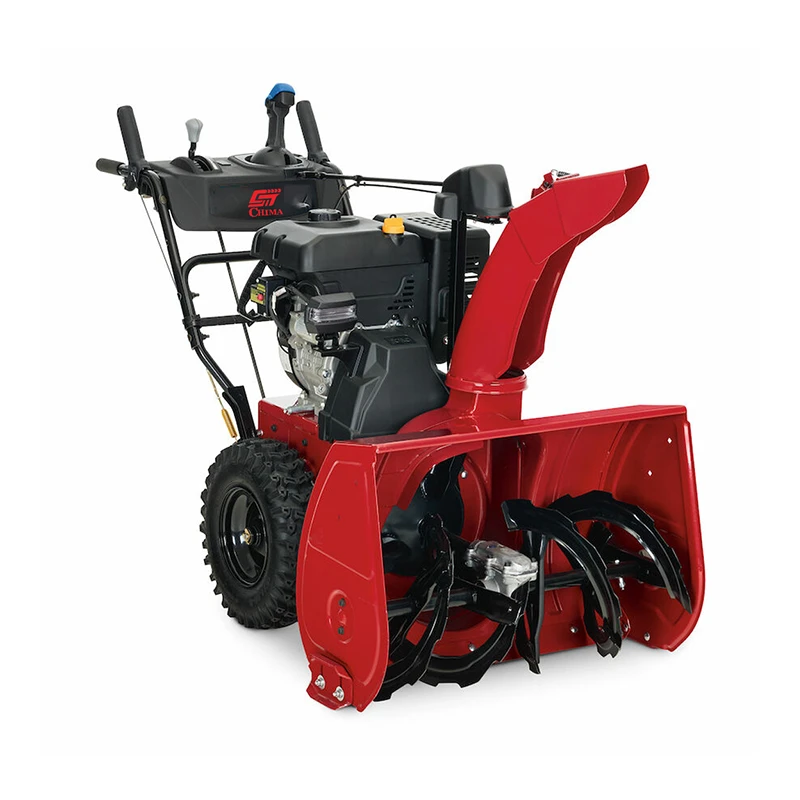
If you have any questions about our two-stage snow blowers or lubrication products, or if you're interested in purchasing a snow blower, please feel free to contact us for more information and to discuss your specific requirements. We're here to help you make the right choice for your snow removal needs.
References
- Briggs & Stratton. (n.d.). Snow Blower Maintenance. Retrieved from [Briggs & Stratton Website]
- Toro. (n.d.). Snow Blower Lubrication Guide. Retrieved from [Toro Website]
- Ariens. (n.d.). Snow Blower Owner's Manuals. Retrieved from [Ariens Website]