

Hey there! As a supplier of inverter generators, I've heard this question a ton: "Why won't my inverter generator start?" It can be super frustrating when you're counting on your generator, whether it's for a power outage at home or a camping trip, and it just won't fire up. In this blog, I'm gonna break down the common reasons why your inverter generator might not start and give you some tips on how to fix 'em.
1. Fuel Issues
Let's start with the most basic thing - fuel. It sounds simple, but it's often the root cause of starting problems.
Empty Fuel Tank
This one's a no - brainer. If your fuel tank is empty, your generator ain't gonna start. Check the fuel gauge if your generator has one. Some models have a see - through fuel tank, so you can easily tell if you're running low. If it's empty, just fill it up with the right type of fuel. Most inverter generators run on gasoline, but some can use propane. Make sure you're using fresh fuel. Old fuel can go bad, especially if it's been sitting in the tank for a long time.
Bad Fuel
Gasoline can break down over time, especially if it's not treated with a fuel stabilizer. When fuel goes bad, it can clog the carburetor and other fuel system components. If you suspect your fuel is bad, drain the tank and fill it with fresh fuel. You can also add a fuel stabilizer to prevent this from happening in the future.
Clogged Fuel Filter
The fuel filter is designed to keep dirt and debris from getting into the engine. Over time, it can get clogged, which restricts the flow of fuel to the engine. If your generator has a fuel filter, check it to see if it's dirty. If it is, replace it. You can find replacement fuel filters at most hardware stores or from the generator's manufacturer.
2. Spark Plug Problems
The spark plug is responsible for igniting the fuel - air mixture in the engine. If it's not working properly, your generator won't start.
Fouled Spark Plug
A fouled spark plug is one that's covered in carbon deposits or oil. This can happen if the generator is run at low loads for a long time or if the engine is burning oil. To check if your spark plug is fouled, remove it from the engine and inspect it. If it's dirty, clean it with a wire brush or replace it. You can usually buy a replacement spark plug at a hardware store or from the generator's manufacturer.
Worn - Out Spark Plug
Spark plugs have a limited lifespan. Over time, the electrodes can wear down, which reduces the spark and makes it harder to start the engine. If your spark plug is worn out, replace it. It's a relatively inexpensive part, and replacing it can often solve starting problems.
3. Air Filter Issues
The air filter prevents dirt and debris from getting into the engine. If it's clogged, it can restrict the flow of air to the engine, which can cause starting problems.
Dirty Air Filter
A dirty air filter can reduce the amount of air that reaches the engine, which can make it difficult to start. Check the air filter to see if it's dirty. If it is, clean it or replace it. Some air filters are washable, while others need to be replaced. If you're not sure how to clean or replace the air filter, refer to the generator's owner's manual.
4. Battery Problems (for Electric - Start Generators)
If your inverter generator has an electric start feature, the battery is an important component.
Dead Battery
If the battery is dead, you won't be able to start the generator using the electric start. Check the battery voltage with a voltmeter. If the voltage is low, charge the battery using a battery charger. If the battery won't hold a charge, it may need to be replaced.
Loose or Corroded Battery Connections
Loose or corroded battery connections can prevent the battery from supplying power to the starter motor. Check the battery terminals to make sure they're tight and clean. If they're corroded, clean them with a wire brush and some baking soda and water.
5. Carburetor Issues
The carburetor mixes the fuel and air in the right proportions before it enters the engine. If it's not working properly, the engine may not start.
Clogged Carburetor
A clogged carburetor can be caused by dirty fuel or old fuel. If the carburetor is clogged, it may need to be cleaned. You can try using a carburetor cleaner to clean it, but in some cases, you may need to remove the carburetor and clean it more thoroughly. This can be a bit tricky, so if you're not comfortable doing it yourself, you may want to take the generator to a professional.
6. Safety Features
Many inverter generators have safety features that can prevent the generator from starting if certain conditions aren't met.
Low Oil Level
Most generators have a low - oil shut - off feature. If the oil level is too low, the generator won't start. Check the oil level using the dipstick. If it's low, add the recommended type and amount of oil.
Choke Position
The choke is used to provide a richer fuel - air mixture when starting a cold engine. If the choke is in the wrong position, it can make it difficult to start the generator. Make sure the choke is in the correct position for starting. Usually, it should be in the "choke" position when starting a cold engine and then moved to the "run" position once the engine is running.
7. Other Possible Issues
There are a few other things that could cause your inverter generator not to start.
Faulty Starter Motor
If your generator has an electric start, the starter motor could be faulty. If you hear a clicking sound when you try to start the generator, but the engine doesn't turn over, it could be a problem with the starter motor. You may need to take the generator to a professional to have the starter motor tested and replaced if necessary.
Electrical Problems
There could be an issue with the electrical system, such as a blown fuse or a loose wire. Check the fuses to see if any are blown. If they are, replace them. Also, check all the electrical connections to make sure they're tight.
As a supplier, we offer a wide range of inverter generators to meet your needs. Whether you're looking for a 2000 Watt Inverter Generator for Home to keep your essential appliances running during a power outage or a Portable Inverter Generators for your outdoor adventures, we've got you covered. And if you're into camping, our 3kva Portable Super Quiet Inverter Generator for Camping is a great choice.
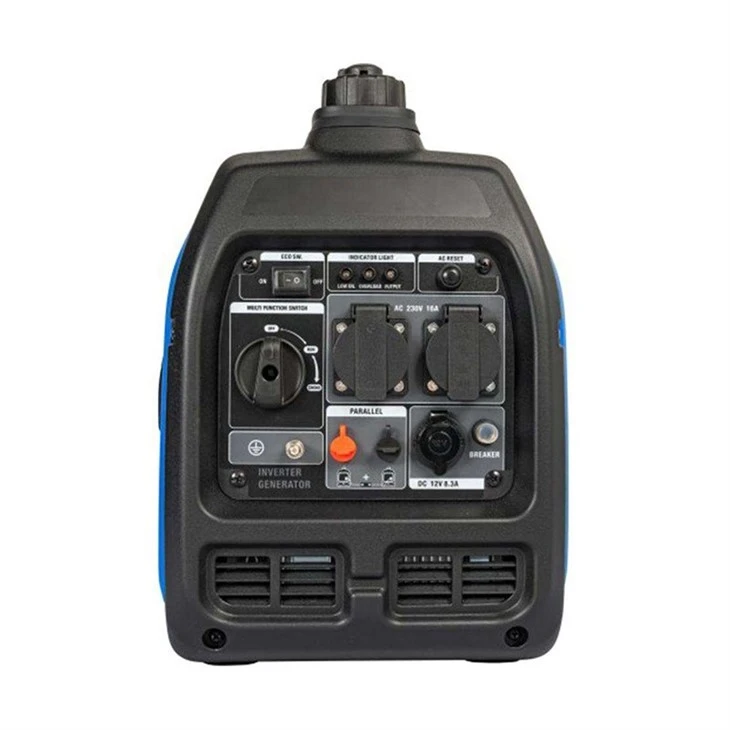

If you're still having trouble getting your inverter generator to start after trying these tips, or if you're interested in purchasing a new generator, don't hesitate to reach out. We're here to help you with all your inverter generator needs. Contact us to start a purchase negotiation, and we'll work with you to find the best solution for your situation.
References
- Generator Owner's Manuals
- Industry knowledge and experience as an inverter generator supplier