

Hey there! As a supplier of gasoline generators, I've seen firsthand how crucial it is to ground your generator properly. It's not just about following the rules; it's about keeping yourself, your family, and your equipment safe. In this blog, I'll walk you through the steps of grounding a gasoline generator correctly.
Why Grounding is a Big Deal
Before we jump into the how-to, let's talk about why grounding is so important. When you ground a generator, you're creating a path for electricity to flow safely into the earth in case of a fault. Without proper grounding, electrical current could find other paths, like through your body or your appliances, which can lead to electric shocks, fires, or damage to your equipment.
Think of it like this: grounding is like a safety net. It catches any stray electricity and sends it where it belongs, so you don't have to worry about unexpected shocks or damage.
What You'll Need
To ground your gasoline generator, you'll need a few basic tools and materials:
- A grounding rod: This is a long, metal rod that you'll drive into the ground. It's usually made of copper or galvanized steel.
- Grounding wire: This is a thick, insulated wire that connects the generator to the grounding rod.
- A grounding clamp: This is a device that attaches the grounding wire to the generator and the grounding rod.
- A hammer or post driver: You'll use this to drive the grounding rod into the ground.
- A wire stripper: This is used to remove the insulation from the ends of the grounding wire.
Step 1: Choose the Right Location
The first step in grounding your generator is to choose the right location for the grounding rod. You'll want to pick a spot that's close to the generator but away from any water sources, such as a pond or a drainage ditch. The ground should be dry and free of rocks or other obstacles.
Once you've found a suitable location, mark the spot where you'll drive the grounding rod. Make sure it's at least 8 feet away from the generator and any other electrical equipment.
Step 2: Drive the Grounding Rod
Next, it's time to drive the grounding rod into the ground. Use a hammer or post driver to pound the rod into the ground until it's at least 8 feet deep. If the ground is hard, you may need to use a drill to create a pilot hole first.

Make sure the grounding rod is straight and vertical. You can use a level to check if it's perfectly upright. Once the rod is in the ground, leave about 6 inches of it sticking out.
Step 3: Prepare the Grounding Wire
Now it's time to prepare the grounding wire. Use a wire stripper to remove about 2 inches of insulation from each end of the wire. Make sure the exposed wire is clean and free of any dirt or debris.
Step 4: Connect the Grounding Wire to the Generator
Locate the grounding terminal on your generator. This is usually a metal bolt or screw that's labeled "Ground" or "GND." Use a grounding clamp to attach one end of the grounding wire to the grounding terminal on the generator. Make sure the clamp is tight and secure.
Step 5: Connect the Grounding Wire to the Grounding Rod
Next, use a grounding clamp to attach the other end of the grounding wire to the grounding rod. Wrap the wire around the rod and tighten the clamp until it's snug. Make sure the connection is good and there's no loose wire.
Step 6: Test the Grounding System
Once you've connected the grounding wire to the generator and the grounding rod, it's time to test the grounding system. You can use a multimeter to measure the resistance between the generator and the ground. The resistance should be less than 25 ohms.
If the resistance is higher than 25 ohms, you may need to drive another grounding rod into the ground and connect it to the first one using a jumper wire. This will help reduce the resistance and improve the grounding system.
Tips for Grounding Your Generator
- Always follow the manufacturer's instructions when grounding your generator. Different generators may have different grounding requirements, so it's important to read the manual carefully.
- Make sure the grounding rod is driven deep enough into the ground. A shallow grounding rod may not provide adequate grounding.
- Use a high-quality grounding wire and clamps. Cheap or inferior materials may not provide a good connection and could lead to grounding problems.
- Check the grounding system regularly to make sure it's in good condition. Look for any signs of damage or corrosion, and replace any worn or damaged parts.
Our Gasoline Generators
At our company, we offer a wide range of gasoline generators to meet your needs. Whether you're looking for a small, portable generator for your home or a larger, more powerful generator for your business, we've got you covered.
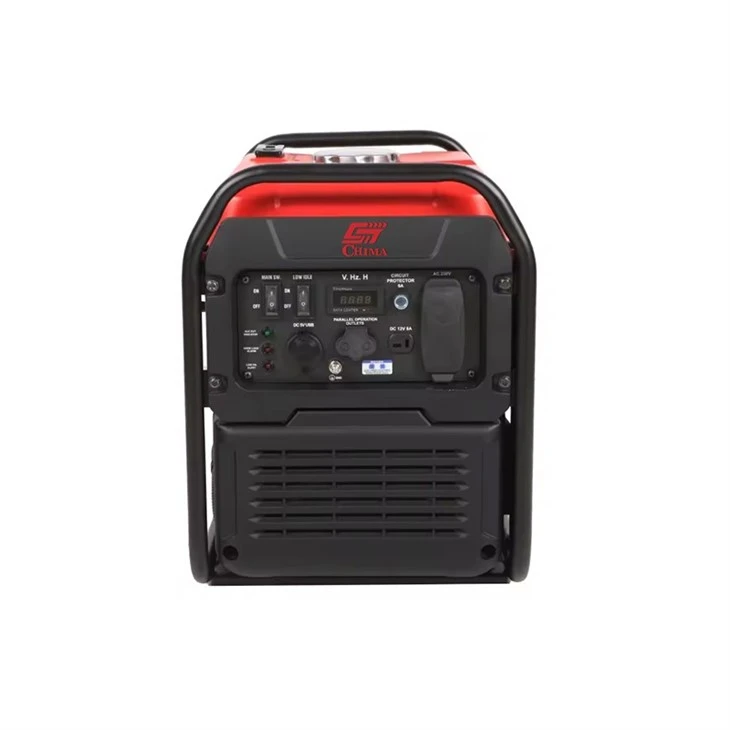
Check out our 3kw 60HZ Portable Small Natural Gas Generator for Home, which is perfect for powering essential appliances during a power outage. Or, if you need a generator that operates at 50HZ, take a look at our 50HZ Gasoline Generator. And for those who need a little more power, our 5KW 230V Portable Gasoline Generator Mini Small Petrol Generator Set is a great option.
Contact Us for Purchasing
If you're interested in purchasing a gasoline generator or have any questions about grounding or our products, please don't hesitate to contact us. We're here to help you find the right generator for your needs and ensure that it's installed and grounded correctly.
References
- National Electrical Code (NEC)
- Generator manufacturer's manuals