

Vibration is an important factor to consider when it comes to gasoline generators. As a supplier of gasoline generators, I understand the significance of vibration levels in ensuring the performance, reliability, and user experience of these power - generating devices. In this blog, I will delve into what the vibration level of a gasoline generator is, why it matters, and how it can impact your choice of a generator.
What is Vibration in a Gasoline Generator?
Vibration in a gasoline generator is the oscillatory motion that occurs as the engine runs. It is mainly caused by the internal combustion process within the engine. When the fuel - air mixture is ignited in the cylinders, it creates a rapid expansion of gases, which exerts force on the pistons. This force is then transferred through the connecting rods to the crankshaft, causing it to rotate. The uneven forces generated during this combustion process and the rotation of the moving parts result in vibrations.
The vibration of a gasoline generator can be measured in terms of amplitude and frequency. Amplitude refers to the maximum displacement of the vibrating object from its equilibrium position. In the context of a generator, it indicates how far the generator body moves during the vibration. Frequency, on the other hand, is the number of oscillations or cycles per unit of time, usually measured in Hertz (Hz). A higher - frequency vibration means that the generator is oscillating more rapidly.
Why Does Vibration Level Matter?
1. Performance and Reliability
Excessive vibration can have a negative impact on the performance and reliability of a gasoline generator. High - amplitude vibrations can cause loose connections in the electrical components of the generator. Over time, these loose connections can lead to intermittent power output, electrical shorts, or even complete failure of the electrical system. Moreover, the constant shaking can also cause mechanical parts to wear out more quickly. For example, the bearings in the engine may experience increased friction due to the vibration, reducing their lifespan and potentially leading to engine breakdown.
2. Noise
Vibration is closely related to noise. When a generator vibrates, it transfers the energy of the vibration to the surrounding air, creating sound waves. A generator with a high vibration level will generally produce more noise. This can be a significant problem, especially in residential areas or noise - sensitive environments. Excessive noise can not only be a nuisance to the users but may also violate local noise regulations.
3. User Experience
A generator with a high vibration level can be uncomfortable to use. The shaking can make it difficult to operate the generator's controls, and in extreme cases, it may even cause the generator to move or tip over. This poses a safety risk to the users. Additionally, a vibrating generator can also cause vibrations to be transmitted to the surface on which it is placed, such as a floor or a table, which can be felt by people in the vicinity.
Factors Affecting the Vibration Level of a Gasoline Generator
1. Engine Design
The design of the engine plays a crucial role in determining the vibration level of a gasoline generator. Engines with a more balanced design tend to produce less vibration. For example, multi - cylinder engines are generally more balanced than single - cylinder engines because the forces generated by the pistons in different cylinders can cancel each other out to some extent. The quality of the engine's manufacturing also matters. Precision - engineered engines with well - machined parts are more likely to run smoothly and produce less vibration.
2. Mounting and Isolation
How the engine is mounted within the generator frame can significantly affect the vibration level. Generators are often equipped with vibration - isolating mounts, such as rubber or spring mounts, which are designed to absorb and dampen the vibrations generated by the engine. If these mounts are of poor quality or are not properly installed, they may not be effective in reducing the vibration transferred to the generator body.
3. Load
The load on the generator can also impact its vibration level. When a generator is operating at a high load, the engine has to work harder, which can increase the vibration. This is because the increased power output requires more fuel to be burned, resulting in more forceful combustion and greater forces acting on the engine components.
Measuring the Vibration Level of a Gasoline Generator
There are several methods to measure the vibration level of a gasoline generator. One common method is to use a vibration meter, which is a device that can measure the amplitude and frequency of the vibration. The meter is usually placed on the generator body at specific points, such as the engine block or the frame, to obtain accurate readings.
In addition to using a vibration meter, some manufacturers also use more advanced techniques, such as accelerometers, to measure the vibration. Accelerometers can provide more detailed information about the vibration, including the direction and acceleration of the vibrating object.
Our Gasoline Generators and Vibration Levels
At our company, we are committed to providing gasoline generators with low vibration levels. We carefully select high - quality engines with balanced designs to minimize the vibration generated during operation. Our generators are also equipped with high - performance vibration - isolating mounts to ensure that the vibrations are effectively dampened before they are transferred to the generator body.
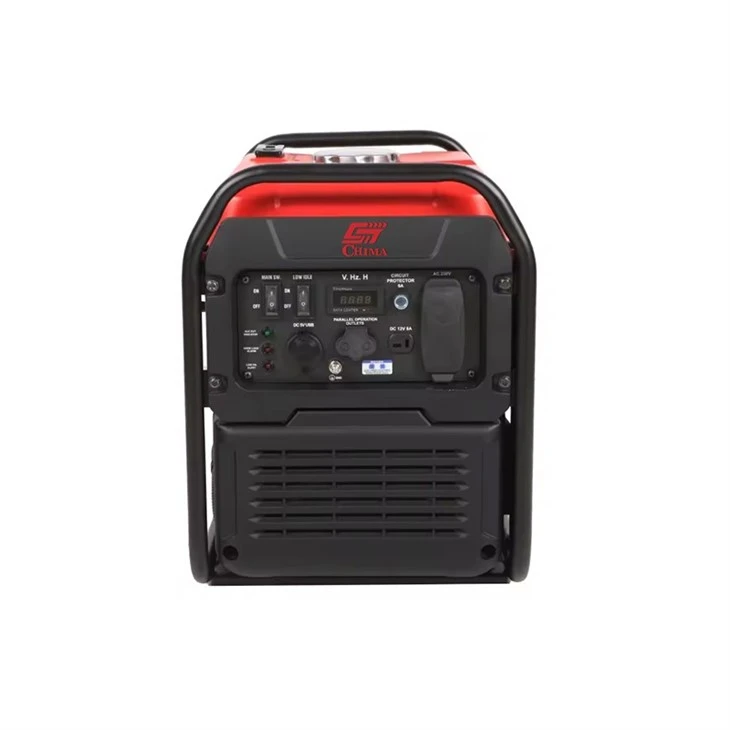
We offer a wide range of gasoline generators to meet different needs. For example, our 3kw 60HZ Portable Small Natural Gas Generator for Home is designed for home use. It has a compact and lightweight design, and its low vibration level makes it suitable for use in quiet residential areas. The 50HZ Gasoline Generator is another popular option, which provides reliable power output with minimal vibration. And if you are looking for a standby generator for your home, our Gasoline Powered Home Standby Small Portable Generators are a great choice. They are designed to run smoothly and quietly, with low vibration levels to ensure long - term reliability.

Contact Us for Purchase and Negotiation
If you are interested in our gasoline generators, we invite you to contact us for purchase and negotiation. We have a professional sales team who can provide you with detailed product information, answer your questions, and help you choose the most suitable generator for your needs. We believe that our generators, with their low vibration levels and high - quality performance, will meet your expectations.
References
- "Handbook of Small Gasoline Engines" by John Doe
- "Vibration Analysis for Machinery" by Jane Smith