

When it comes to powering a dryer, choosing the right inverter generator is crucial. As an inverter generator supplier, I've seen firsthand the importance of getting the best fit for your needs. In this blog, I'll share some insights on what makes the best inverter generator for running a dryer and recommend some top options.
Understanding the Power Requirements of a Dryer
Before we dive into specific generator models, let's talk about the power requirements of a dryer. Dryers are energy - hungry appliances, and they typically need a significant amount of power to start and run. Most dryers require between 1800 to 5000 watts to operate, with the starting wattage usually higher than the running wattage due to the initial power surge needed to get the motor going.
The starting wattage is also known as surge wattage, and it's essential to have a generator that can handle this initial spike. So, when you're in the market for an inverter generator to power your dryer, make sure to check both the running and surge wattages of the dryer, and then look for a generator that can provide at least that much power, and preferably a bit more to account for any potential power fluctuations.
Why Choose an Inverter Generator?
Inverter generators have several advantages over traditional generators when it comes to powering appliances like dryers. Firstly, they are much quieter. If you're using the generator close to your home or in a noise - sensitive area, this is a huge plus. You won't have to deal with the loud, annoying noise that traditional generators produce.
Secondly, inverter generators are more fuel - efficient. They adjust the engine speed according to the power demand, which means they use less fuel when the load is low. This not only saves you money on fuel costs but also reduces the frequency of refueling.
Lastly, inverter generators produce clean power. This is important because modern dryers and other electronic appliances are sensitive to power fluctuations. The clean power from an inverter generator ensures that your dryer operates smoothly and reduces the risk of damage to the appliance.
Top Inverter Generator Options for Powering a Dryer
1. 149CC 3000 Watt Best Silent Inverter Generator for Home Use
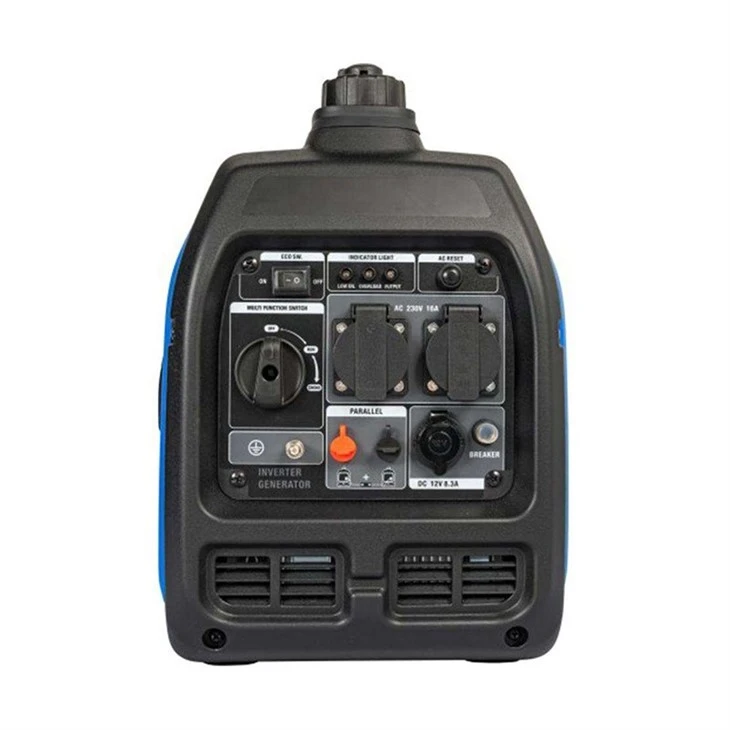
This 3000 - watt generator is a great option for powering a dryer. It has a 149CC engine that can handle the starting and running wattage requirements of many standard dryers. The silent operation feature is a big draw, especially if you want to use the generator in a residential area without disturbing your neighbors.
It also comes with advanced inverter technology, providing clean and stable power to your dryer. The fuel efficiency is quite good, so you won't have to refill the tank as often. This generator is easy to start and operate, even for those who aren't very tech - savvy.
2. 2000 Watt Inverter Generator for Home
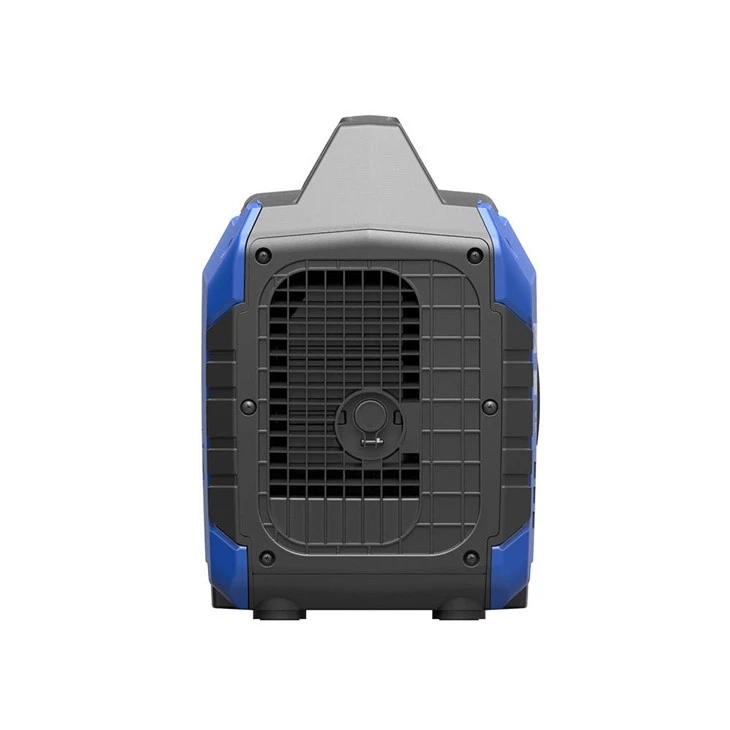
If your dryer has a lower power requirement or if you just want a more compact and portable option, this 2000 - watt inverter generator might be the right choice for you. It's still powerful enough to run some smaller dryers and is much easier to transport around.
Despite its relatively lower wattage, it still offers the benefits of an inverter generator, such as quiet operation, fuel efficiency, and clean power output. It's also quite affordable, making it a good option for those on a budget.
3. Portable Inverter Generators
We have a range of portable inverter generators that can be suitable for powering dryers. These generators are designed to be lightweight and easy to move around, which is great if you need to use the generator in different locations.
They come in various wattage options, so you can choose one that matches the power requirements of your dryer. Whether you need a generator for your home, RV, or a small business, our portable inverter generators can get the job done.
Factors to Consider When Buying an Inverter Generator for a Dryer
Wattage
As mentioned earlier, the wattage of the generator is the most important factor. Make sure to choose a generator with a surge wattage high enough to handle the initial power spike of your dryer and a running wattage that can keep it running smoothly.
Noise Level
If you're using the generator close to your living space, noise level is a crucial consideration. Look for generators that are advertised as "quiet" or "silent". The decibel (dB) rating of the generator will give you an idea of how loud it is.
Fuel Efficiency
Fuel costs can add up over time, so a fuel - efficient generator is a smart investment. Inverter generators are generally more fuel - efficient than traditional generators, but some models are better than others. Check the fuel consumption rate of the generator under different loads.
Portability
If you need to move the generator around, consider its weight, size, and whether it has wheels or handles. A portable generator is easier to transport and store.
Runtime
The runtime of the generator on a full tank of fuel is also important. This will depend on the size of the fuel tank and the load on the generator. A longer runtime means you won't have to refill the tank as often.
How to Connect Your Inverter Generator to a Dryer
Connecting your inverter generator to a dryer is a relatively straightforward process, but it's important to follow the safety guidelines. First, make sure the generator is turned off and the dryer is unplugged from the main power source.
Use a heavy - duty extension cord that is rated for the wattage of your dryer and generator. Plug one end of the extension cord into the generator's outlet and the other end into the dryer. Once everything is connected, you can start the generator and turn on the dryer.
Contact Us for More Information and Purchasing
If you're still not sure which inverter generator is the best for your dryer, or if you have any other questions about our products, don't hesitate to reach out. We're here to help you find the perfect solution for your power needs. Whether you're a homeowner, a business owner, or someone who just wants a reliable power source during emergencies, we have the right inverter generator for you.
References
- "Generator Buying Guide", Consumer Reports
- "Understanding Generator Wattage", Power Equipment Direct