

The Impact of Inlet and Outlet Pipe Diameters on a Diesel Water Pump's Performance
As a well - established diesel water pump supplier, I've witnessed firsthand the crucial role that pipe diameters play in the overall performance of diesel water pumps. In this blog, I will delve into the technical aspects of how the inlet and outlet pipe diameters affect various performance indicators of diesel water pumps.
Flow Rate
The flow rate is one of the most important performance parameters of a diesel water pump. It refers to the volume of water that the pump can deliver per unit of time, usually measured in liters per minute (L/min) or cubic meters per hour (m³/h). The inlet and outlet pipe diameters have a significant impact on the flow rate.
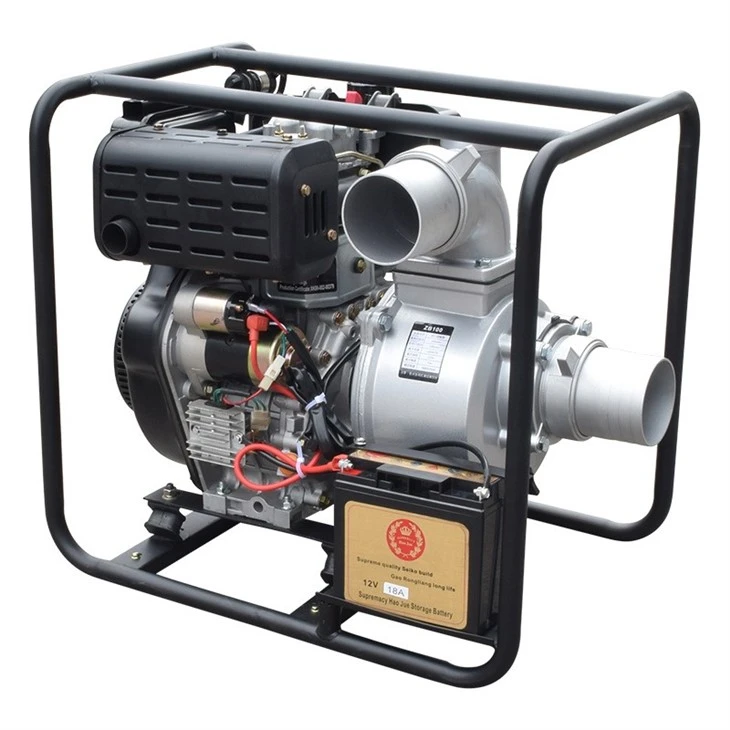
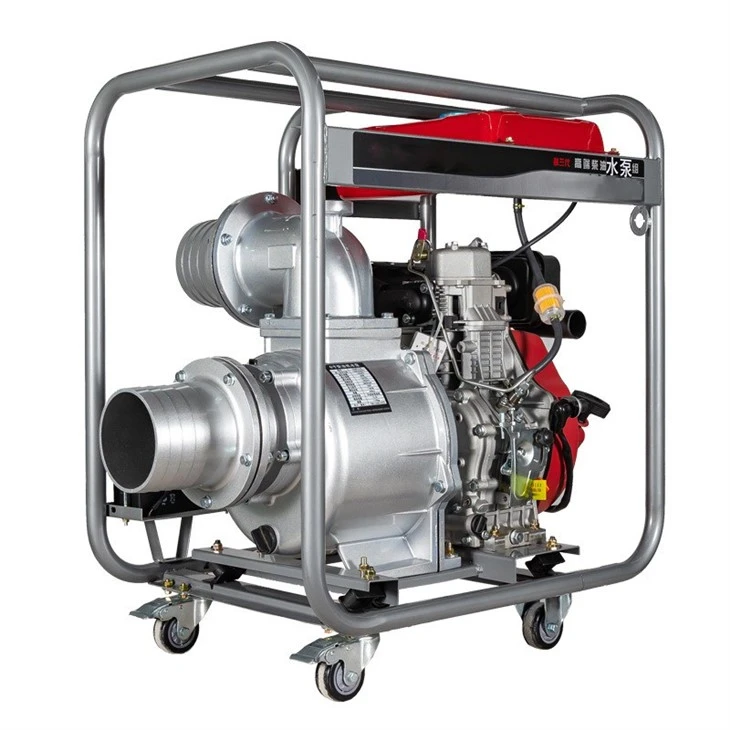
When the inlet pipe diameter is too small, it restricts the amount of water that can enter the pump. This creates a bottleneck effect, similar to trying to pour a large amount of liquid through a narrow funnel. As a result, the pump has to work harder to draw in water, and the flow rate is reduced. For example, if a pump is designed to handle a certain flow rate with a specific inlet pipe diameter, using a smaller - diameter pipe can cause a significant drop in the actual flow rate delivered.
Conversely, a larger - diameter inlet pipe allows more water to enter the pump easily, reducing the suction resistance. This enables the pump to operate more efficiently and achieve a higher flow rate. However, it's important to note that simply increasing the inlet pipe diameter indefinitely doesn't always lead to better results. There is an optimal range based on the pump's design and specifications.
On the outlet side, a small - diameter outlet pipe increases the resistance to the flow of water leaving the pump. The pump has to generate more pressure to force the water through the narrow pipe, which not only reduces the flow rate but also increases the energy consumption of the pump. A larger - diameter outlet pipe, on the other hand, reduces the flow resistance, allowing the pump to deliver water more smoothly and at a higher flow rate.
For instance, our Light Weight Large Flow Portable Diesel Operated Irrigation Water Pump for Farming is designed with specific inlet and outlet pipe diameter recommendations to ensure optimal flow rate performance for agricultural irrigation needs.
Head
The head of a pump refers to the height that the pump can lift water, measured in meters. It represents the energy per unit weight of the liquid being pumped. The inlet and outlet pipe diameters also have a profound impact on the head performance of a diesel water pump.
Inlet pipe diameter affects the Net Positive Suction Head (NPSH) required by the pump. NPSH is the measure of the pressure at the pump inlet to prevent cavitation (the formation of vapor bubbles in the liquid due to low pressure). A small - diameter inlet pipe increases the frictional losses in the suction line, reducing the pressure at the pump inlet. This may lead to cavitation, which can damage the pump impeller and reduce its efficiency. A larger - diameter inlet pipe reduces the frictional losses, ensuring that the NPSH requirements of the pump are met and maintaining the head performance.
The outlet pipe diameter influences the total head that the pump can achieve. A small - diameter outlet pipe increases the friction losses in the discharge line, which means that a greater portion of the pump's energy is used to overcome these losses rather than lifting the water to a higher level. As a result, the effective head that the pump can achieve is reduced. A larger - diameter outlet pipe reduces the friction losses, allowing the pump to convert more of its energy into lifting the water and thus increasing the overall head.
Our Diesel Powered Driven Irrigation Transfer Pump is engineered to work efficiently with the recommended pipe diameters to ensure that it can achieve the specified head for water transfer applications.
Efficiency
Efficiency is a measure of how effectively a pump converts the input power (from the diesel engine in the case of diesel water pumps) into useful hydraulic power for pumping water. The inlet and outlet pipe diameters are key factors in determining the pump's efficiency.
When the pipe diameters are not properly sized, the pump has to operate under sub - optimal conditions. As mentioned earlier, small - diameter pipes increase the frictional losses, which means that more energy is wasted in overcoming these losses. This results in a lower efficiency of the pump. For example, if the inlet pipe diameter is too small, the pump has to draw in water against a higher resistance, consuming more fuel to achieve the same flow rate.
Proper sizing of the inlet and outlet pipes, on the other hand, minimizes the frictional losses. The pump can operate more smoothly, using less energy to deliver the required flow rate and head. This not only reduces the operating costs but also extends the lifespan of the pump. Our Agriculture Air Cooled Diesel Engine Driven Irrigation Water Pump is designed with careful consideration of pipe diameter requirements to ensure high - efficiency operation in agricultural irrigation scenarios.
Noise and Vibration
Incorrect pipe diameters can also lead to increased noise and vibration in diesel water pumps. When the inlet pipe diameter is too small, the pump may experience turbulent flow as it tries to draw in water. This turbulence can cause the pump to vibrate more, which in turn generates noise. Similarly, a small - diameter outlet pipe can create back - pressure and turbulence in the discharge line, leading to increased vibration and noise.
Properly sized pipes ensure a smooth and laminar flow of water through the pump and the pipes. This reduces the vibration and noise levels, making the pump operation more quiet and stable. This is especially important in applications where noise pollution is a concern, such as in residential areas or near hospitals.
Considerations for Pipe Selection
When selecting the inlet and outlet pipe diameters for a diesel water pump, several factors need to be taken into account. Firstly, the pump's specifications, including the recommended flow rate, head, and NPSH requirements, should be carefully considered. The pipe diameter should be chosen to match these specifications as closely as possible.
Secondly, the length of the pipes and the number of fittings (such as elbows, valves, etc.) in the piping system also affect the frictional losses. Longer pipes and more fittings increase the frictional losses, and in such cases, a larger pipe diameter may be required to compensate for these losses.
Thirdly, the nature of the fluid being pumped, such as its viscosity and temperature, can also influence the pipe diameter selection. For more viscous fluids, a larger pipe diameter may be needed to ensure a sufficient flow rate.
Conclusion
In conclusion, the inlet and outlet pipe diameters have a far - reaching impact on the performance of diesel water pumps. They affect the flow rate, head, efficiency, noise, and vibration of the pump. As a diesel water pump supplier, we understand the importance of proper pipe diameter selection and provide detailed guidelines to our customers to ensure that they get the best performance from our pumps.
If you are in the market for a high - quality diesel water pump or need advice on pipe diameter selection for your specific application, we'd love to have a chat with you. Contact us to discuss your requirements and explore how our diesel water pumps can meet your needs.
References
- Karassik, I. J., Messina, J. P., Cooper, P. T., & Heald, C. C. (2008). Pump Handbook. McGraw - Hill Professional.
- Shore, D. (2019). Pumps and Pumping Systems. Elsevier.