

As a seasoned supplier of gasoline water pumps, I've witnessed firsthand the importance of recognizing the signs of a worn-out unit. Gasoline water pumps are workhorses in various industries, from agriculture and construction to emergency flood control. Understanding when a pump is reaching the end of its useful life can save you time, money, and prevent costly breakdowns. In this blog post, I'll share some key indicators that your gasoline water pump may be in need of replacement or significant repairs.
Reduced Water Flow
One of the most obvious signs of a worn-out gasoline water pump is a noticeable reduction in water flow. If you've noticed that your pump is taking longer to fill a tank or is struggling to maintain the same level of output as it used to, it could be a sign of internal wear and tear. This can be caused by a variety of factors, including clogged impellers, worn seals, or a damaged pump casing.
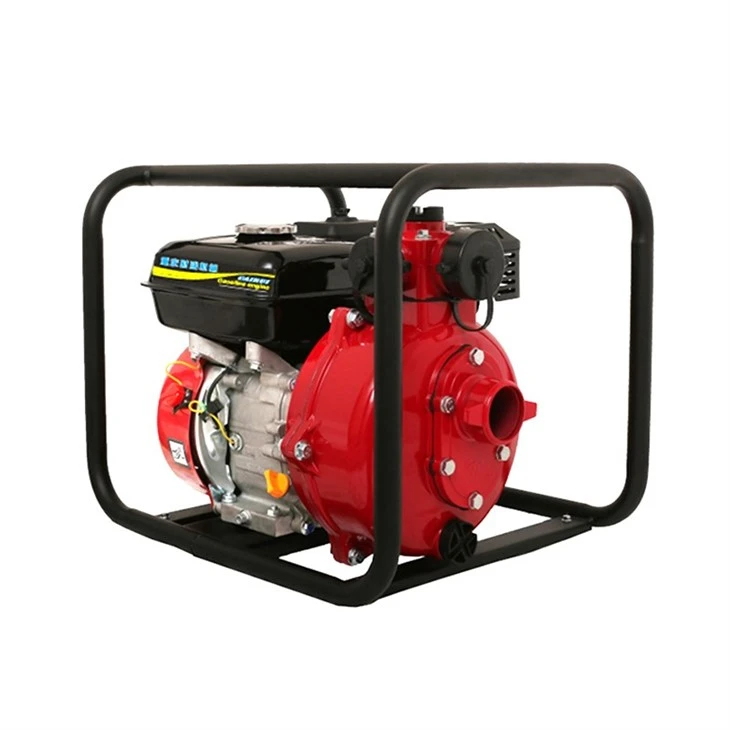
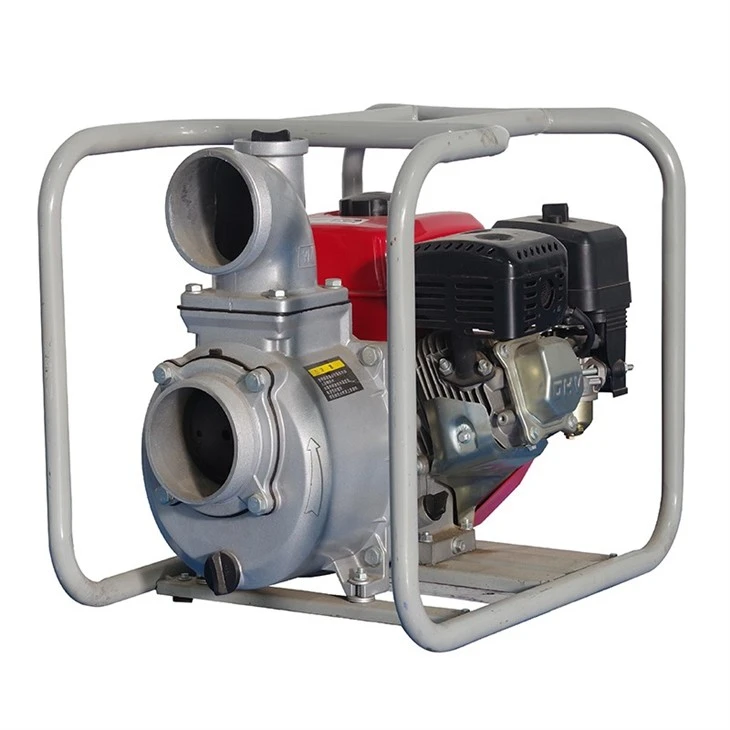
Clogged impellers are a common culprit when it comes to reduced water flow. Over time, debris such as dirt, leaves, and small rocks can accumulate in the impeller, preventing it from spinning freely and reducing its ability to move water. To check for a clogged impeller, you'll need to remove the pump cover and inspect the impeller for any signs of blockage. If you find debris, you can try cleaning it out using a brush or compressed air. However, if the impeller is severely damaged, it may need to be replaced.
Worn seals can also cause a reduction in water flow. Seals are used to prevent water from leaking out of the pump and into the surrounding environment. Over time, these seals can become worn or damaged, allowing water to escape and reducing the pump's efficiency. If you notice water leaking from the pump, it's important to check the seals and replace them if necessary.
A damaged pump casing can also lead to reduced water flow. The pump casing is the outer shell of the pump that houses the impeller and other internal components. If the casing is cracked or damaged, it can allow water to leak out and reduce the pump's ability to build pressure. In some cases, a damaged pump casing may need to be replaced.
Excessive Vibration
Another sign of a worn-out gasoline water pump is excessive vibration. While some vibration is normal during operation, excessive vibration can indicate a problem with the pump's internal components. This can be caused by a variety of factors, including a misaligned motor, worn bearings, or a damaged impeller.
A misaligned motor is a common cause of excessive vibration. When the motor is not properly aligned with the pump, it can cause the pump to vibrate excessively. To check for a misaligned motor, you'll need to inspect the motor and pump mounts to ensure that they are secure and properly aligned. If you find that the motor is misaligned, you'll need to adjust the mounts to ensure that the motor is properly aligned with the pump.
Worn bearings can also cause excessive vibration. Bearings are used to support the rotating components of the pump, such as the impeller and motor shaft. Over time, these bearings can become worn or damaged, causing the pump to vibrate excessively. If you notice excessive vibration, it's important to check the bearings and replace them if necessary.
A damaged impeller can also lead to excessive vibration. If the impeller is damaged or unbalanced, it can cause the pump to vibrate excessively. To check for a damaged impeller, you'll need to remove the pump cover and inspect the impeller for any signs of damage or imbalance. If you find that the impeller is damaged, it may need to be replaced.
Increased Fuel Consumption
If you've noticed that your gasoline water pump is using more fuel than usual, it could be a sign of a worn-out unit. Increased fuel consumption can be caused by a variety of factors, including a dirty air filter, a clogged fuel filter, or a malfunctioning carburetor.
A dirty air filter can restrict the flow of air into the engine, causing it to run rich and use more fuel. To check for a dirty air filter, you'll need to remove the air filter cover and inspect the filter for any signs of dirt or debris. If the filter is dirty, you'll need to clean or replace it.
A clogged fuel filter can also restrict the flow of fuel into the engine, causing it to run lean and use more fuel. To check for a clogged fuel filter, you'll need to remove the fuel filter and inspect it for any signs of blockage. If the filter is clogged, you'll need to replace it.
A malfunctioning carburetor can also cause increased fuel consumption. The carburetor is responsible for mixing the fuel and air in the correct ratio for combustion. If the carburetor is not functioning properly, it can cause the engine to run rich or lean, resulting in increased fuel consumption. If you suspect that the carburetor is malfunctioning, it's important to have it inspected and repaired by a qualified technician.
Strange Noises
If your gasoline water pump is making strange noises, it could be a sign of a serious problem. Strange noises can indicate a variety of issues, including a loose or damaged belt, a worn bearing, or a damaged impeller.
A loose or damaged belt can cause a squealing or screeching noise. To check for a loose or damaged belt, you'll need to inspect the belt for any signs of wear or damage. If the belt is loose, you'll need to adjust the tension. If the belt is damaged, you'll need to replace it.
A worn bearing can also cause a grinding or whining noise. To check for a worn bearing, you'll need to remove the pump cover and inspect the bearings for any signs of wear or damage. If you find that the bearings are worn, you'll need to replace them.
A damaged impeller can also lead to strange noises. If the impeller is damaged or unbalanced, it can cause a rattling or vibrating noise. To check for a damaged impeller, you'll need to remove the pump cover and inspect the impeller for any signs of damage or imbalance. If you find that the impeller is damaged, it may need to be replaced.
Difficulty Starting
If your gasoline water pump is difficult to start, it could be a sign of a worn-out unit. Difficulty starting can be caused by a variety of factors, including a dead battery, a clogged fuel filter, or a malfunctioning ignition system.
A dead battery can prevent the pump from starting. To check for a dead battery, you'll need to use a voltmeter to test the battery's voltage. If the battery's voltage is low, you'll need to recharge or replace the battery.
A clogged fuel filter can also prevent the pump from starting. To check for a clogged fuel filter, you'll need to remove the fuel filter and inspect it for any signs of blockage. If the filter is clogged, you'll need to replace it.
A malfunctioning ignition system can also cause difficulty starting. The ignition system is responsible for providing the spark that ignites the fuel in the engine. If the ignition system is not functioning properly, it can prevent the engine from starting. If you suspect that the ignition system is malfunctioning, it's important to have it inspected and repaired by a qualified technician.
Conclusion
Recognizing the signs of a worn-out gasoline water pump is essential for ensuring the continued operation of your equipment. By paying attention to these key indicators, you can identify potential problems early on and take the necessary steps to prevent costly breakdowns. If you're experiencing any of these issues with your gasoline water pump, it's important to have it inspected and repaired by a qualified technician.
At our company, we offer a wide range of high-quality gasoline water pumps to meet the needs of various industries. Our pumps are designed to be reliable, efficient, and easy to use. Whether you're looking for a 3 Inch Portable Gasoline Powered Water Pump for Irrigation, a Petrol Water Pump for Construction Site, or a Gasoline Powered High Pressure 2 Inch Water Pump, we have the perfect solution for you.
If you're interested in learning more about our gasoline water pumps or would like to discuss your specific needs, please don't hesitate to contact us. Our team of experts is always available to answer your questions and provide you with the information you need to make an informed decision. We look forward to hearing from you and helping you find the perfect gasoline water pump for your needs.
References
- "Gasoline Water Pump Maintenance Guide." Pump Manufacturer's Association.
- "Common Problems with Gasoline Water Pumps and How to Fix Them." DIY Pump Repair Magazine.
- "Signs of a Worn-Out Gasoline Water Pump." Industrial Pumping Solutions Journal.