

A gasoline generator is a valuable piece of equipment that provides electrical power when the main power grid fails or in areas where there is no access to electricity. One of the key components that ensures the stable and efficient operation of a gasoline generator is the governor system. As a gasoline generator supplier, I often get asked about how the governor system works in a gasoline generator. In this blog post, I will explain the working principle of the governor system and its importance in the overall performance of a gasoline generator.
What is a Governor System?
The governor system in a gasoline generator is a device that regulates the engine speed to maintain a constant output frequency. In a generator, the output frequency is directly related to the engine speed. For example, in a 60 Hz generator, the engine needs to run at a specific speed (usually 3600 RPM for a two - pole generator) to produce an electrical output with a frequency of 60 Hz. The governor system continuously monitors the engine speed and adjusts the fuel supply to the engine to keep the speed constant, regardless of the load changes on the generator.
Types of Governor Systems
There are two main types of governor systems commonly used in gasoline generators: mechanical governors and electronic governors.
Mechanical Governors
Mechanical governors are the traditional type of governor systems. They work based on the principle of centrifugal force. A mechanical governor typically consists of a set of weights attached to a rotating shaft. As the engine speed increases, the centrifugal force acting on the weights also increases. This causes the weights to move outward, which is then translated into a mechanical movement that controls the throttle valve of the carburetor.
When the load on the generator decreases, the engine speed tends to increase. The increased centrifugal force on the governor weights causes them to move further out, which in turn closes the throttle valve of the carburetor slightly, reducing the fuel supply to the engine and bringing the speed back to the set value. Conversely, when the load on the generator increases, the engine speed drops. The reduced centrifugal force on the weights allows them to move inward, opening the throttle valve and increasing the fuel supply to the engine to raise the speed.
One of the advantages of mechanical governors is their simplicity and reliability. They have been used in generators for a long time and are relatively easy to understand and maintain. However, they may not be as precise as electronic governors, especially when dealing with rapid load changes.
Electronic Governors
Electronic governors are a more advanced type of governor system. They use electronic sensors to monitor the engine speed and a microcontroller to process the speed data and control the fuel supply. The electronic sensor, usually a magnetic pickup or an optical sensor, measures the rotational speed of the engine crankshaft. The microcontroller then compares the measured speed with the set speed and sends a signal to an actuator, such as a solenoid or a stepper motor, to adjust the throttle valve.
Electronic governors offer several advantages over mechanical governors. They can respond more quickly to load changes, providing a more stable output frequency. They can also be programmed to have different operating modes and can be easily integrated with other control systems in the generator. However, they are generally more expensive and more complex to repair than mechanical governors.

How the Governor System Interacts with Other Components
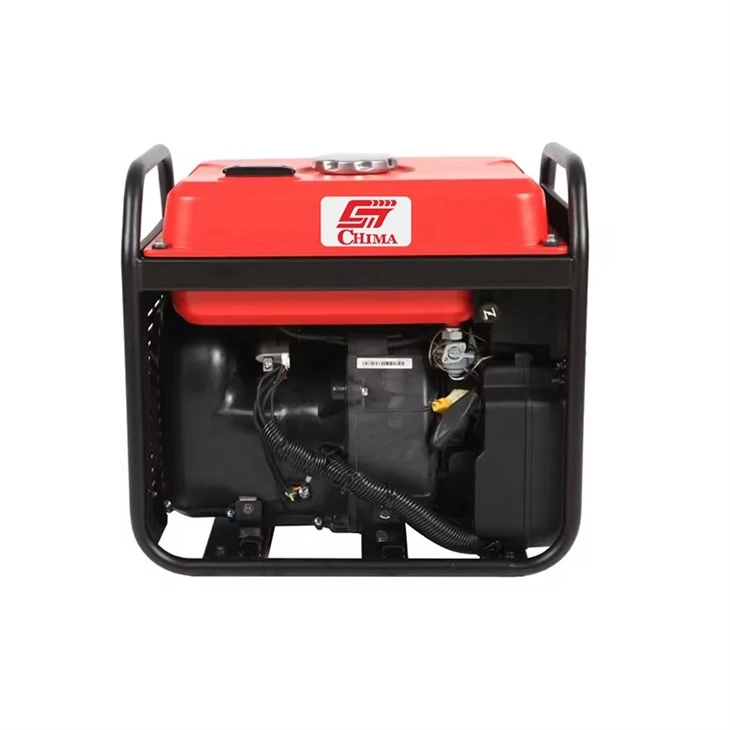
The governor system does not work in isolation. It interacts closely with other components in the gasoline generator, such as the engine, the carburetor, and the alternator.
Engine
The governor system is directly responsible for controlling the engine speed. By adjusting the fuel supply, it ensures that the engine runs at the optimal speed for generating electricity. If the engine speed is too high, it can cause excessive wear and tear on the engine components and may also lead to an over - frequency output from the generator. On the other hand, if the engine speed is too low, the generator may not be able to produce enough power, and the output frequency will be lower than the rated value.
Carburetor
The carburetor is the component that mixes the fuel and air in the correct proportion before it is fed into the engine cylinders. The governor system controls the position of the throttle valve in the carburetor. When the governor senses a change in the engine speed, it sends a signal (either mechanically or electronically) to adjust the throttle valve. A wider - open throttle valve allows more fuel - air mixture to enter the engine, increasing the power output and the engine speed. A narrower - open throttle valve reduces the fuel - air mixture, decreasing the power output and the engine speed.
Alternator
The alternator is the component that converts the mechanical energy from the engine into electrical energy. The output frequency of the alternator is directly related to the engine speed. The governor system ensures that the engine speed remains constant, which in turn ensures that the output frequency of the alternator remains within the acceptable range. For example, in a residential or commercial application, the electrical appliances are designed to operate at a specific frequency (50 Hz or 60 Hz). A stable output frequency from the generator is essential for the proper functioning of these appliances.
Importance of a Well - Functioning Governor System
A well - functioning governor system is crucial for the performance and reliability of a gasoline generator. Here are some of the reasons why:
Stable Power Output
As mentioned earlier, the governor system maintains a constant engine speed, which results in a stable output frequency from the generator. This is essential for the proper operation of electrical appliances. Most electrical devices are designed to work within a narrow frequency range. If the frequency fluctuates too much, it can cause damage to the appliances, reduce their efficiency, or even lead to their malfunction.
Fuel Efficiency
By adjusting the fuel supply according to the load requirements, the governor system helps to optimize the fuel consumption of the generator. When the load on the generator is low, the governor reduces the fuel supply to the engine, preventing the engine from running at a higher speed than necessary and wasting fuel. This not only saves money on fuel costs but also reduces the environmental impact of the generator.
Engine Protection
A stable engine speed helps to protect the engine from excessive wear and tear. When the engine runs at a constant speed, the internal components experience less stress and vibration. This extends the lifespan of the engine and reduces the likelihood of breakdowns and costly repairs.
Our Gasoline Generators with Advanced Governor Systems
At our company, we offer a wide range of gasoline generators equipped with high - quality governor systems. For example, our Air Cooled 4 Stroke Small Electric Start Generator for Home Use 5000 Watt is designed for residential use. It features an advanced governor system that ensures a stable power output, even when there are sudden changes in the load. This generator is easy to start and operate, making it a great choice for homeowners who need a reliable backup power source.
Another product in our lineup is the 3kw 60HZ Portable Small Natural Gas Generator for Home. This generator is powered by natural gas, which is a clean and efficient fuel source. The governor system in this generator is carefully calibrated to work with natural gas, providing a consistent and stable power output. It is also highly portable, making it suitable for outdoor activities or emergency situations.
We also have Gasoline Powered Home Standby Small Portable Generators that are designed to provide continuous power during power outages. These generators are equipped with state - of - the - art governor systems that can handle large load changes quickly and accurately. They are built to be durable and reliable, ensuring that your home or business has access to power when you need it most.
Contact Us for Your Generator Needs
If you are in the market for a gasoline generator, we invite you to contact us for more information. Our team of experts can help you choose the right generator for your specific needs and provide you with detailed information about the governor system and other features. Whether you need a small portable generator for occasional use or a large standby generator for your business, we have the products and the knowledge to meet your requirements.
References
- Chapman, A. J. (2008). Internal Combustion Engines: Applied Thermosciences. McGraw - Hill.
- Heywood, J. B. (1988). Internal Combustion Engine Fundamentals. McGraw - Hill.