

Hey there, fellow lawn enthusiasts! As a supplier of self-propelled lawn mowers, I've seen my fair share of issues with these handy machines. One of the most common problems folks run into is when their self-propelled lawn mower won't move forward. It can be super frustrating, especially when you've got a big lawn to tackle. But don't worry, I'm here to walk you through some troubleshooting steps to get your mower back in action.
Check the Basics First
Before you start digging deep into the mower's inner workings, it's always a good idea to check the basics. First off, make sure the mower is turned on and that the engine is running properly. Sounds obvious, but you'd be surprised how many times this simple step gets overlooked.
Next, take a look at the drive control. This is usually a lever or a handle that you use to engage the self-propelled feature. Make sure it's in the correct position. Sometimes, it can accidentally get bumped out of place while you're moving the mower around.
Also, check the throttle. A low throttle setting might not provide enough power for the mower to move forward. Adjust it to a higher setting and see if that makes a difference.
Inspect the Drive Belt
The drive belt is a crucial component in a self-propelled lawn mower. It transfers power from the engine to the wheels, allowing the mower to move forward. Over time, the drive belt can wear out, become loose, or even break.
To check the drive belt, you'll need to locate it under the mower deck. This might require you to turn the mower over on its side (make sure to drain the oil and fuel first to avoid spills). Once you've found the belt, look for signs of wear and tear, such as cracks, fraying, or excessive stretching.
If the belt is loose, you might be able to tighten it using the adjustment mechanism. This is usually a bolt or a screw that you can turn to increase the tension on the belt. If the belt is broken or too worn, you'll need to replace it. You can find replacement belts at most hardware stores or online. For example, if you have a Craftsman Store 163cc 22-in Gas Self-propelled Lawn Mower, you can get the appropriate belt from the manufacturer or a trusted parts supplier.
Examine the Transmission
The transmission is responsible for controlling the speed and direction of the mower. If there's a problem with the transmission, the mower might not move forward properly.
One common issue with the transmission is a lack of lubrication. Over time, the lubricant can break down or leak out, causing the gears to grind and the transmission to malfunction. Check the transmission fluid level according to the manufacturer's instructions. If it's low, add the recommended type of fluid.
Another problem could be a clogged transmission filter. A dirty filter can restrict the flow of fluid and prevent the transmission from working correctly. If you suspect a clogged filter, you'll need to remove it and clean or replace it.
Look at the Wheels and Axles
The wheels and axles are what allow the mower to move across the lawn. If there's a problem with them, the mower might not be able to move forward.
Check the wheels for any signs of damage, such as flat tires, bent rims, or loose hubs. A flat tire can prevent the mower from rolling smoothly, while a bent rim or loose hub can cause the wheel to wobble or not turn properly.
Inspect the axles for any signs of wear or damage. Make sure they're properly aligned and that the wheels are securely attached. If you notice any issues with the wheels or axles, you might need to replace the damaged parts.
Check the Drive System Components
In addition to the drive belt and the transmission, there are other components in the drive system that can cause problems. For example, the drive sprockets, which are the gears that the drive belt wraps around, can wear out over time. If the sprockets are damaged or worn, they might not be able to grip the drive belt properly, causing the mower to lose power.
Also, check the idler pulleys. These are the small wheels that help guide the drive belt and maintain its tension. If an idler pulley is damaged or not spinning freely, it can affect the performance of the drive belt.
Consider the Terrain and Conditions
Sometimes, the problem might not be with the mower itself, but with the terrain or the conditions you're mowing in. If the grass is too long or thick, the mower might struggle to move forward. Try mowing in smaller sections or making multiple passes at a slower speed.

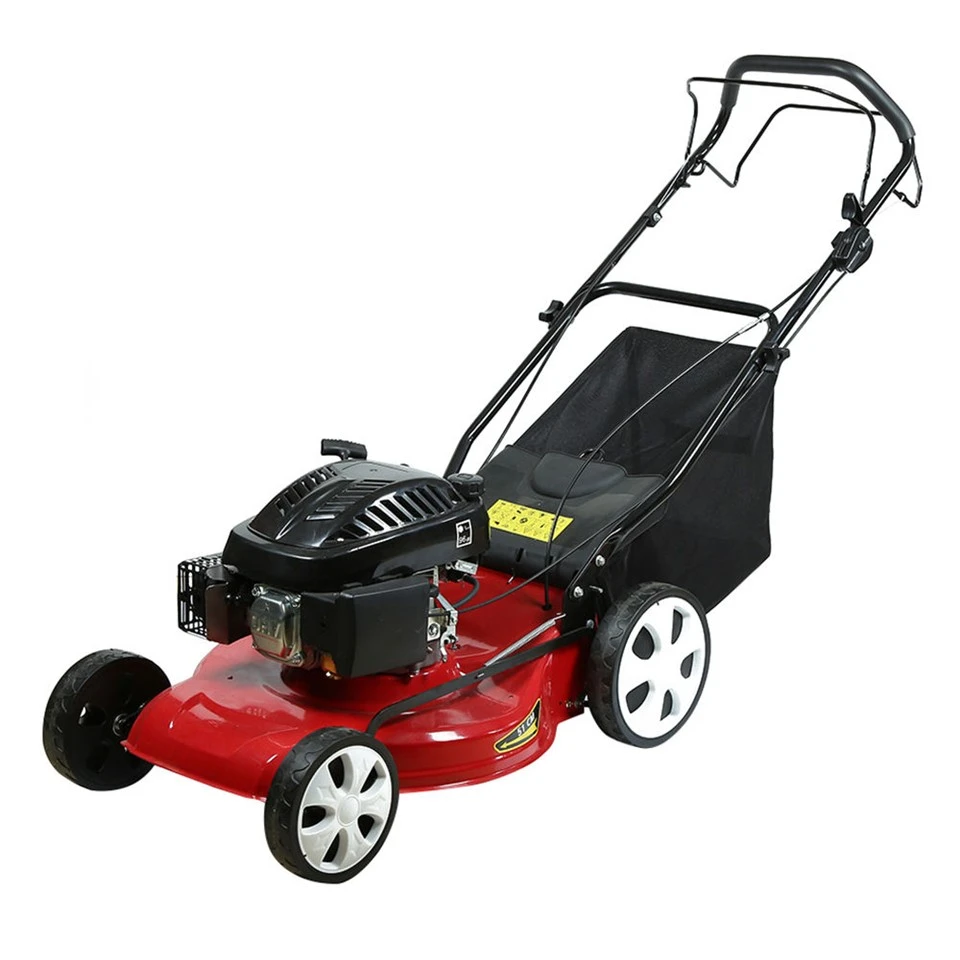
Also, wet or muddy conditions can make it difficult for the mower to move. The wheels might slip, or the mower might get stuck in the mud. If possible, wait for the grass to dry out before mowing.
When to Call a Professional
If you've tried all these troubleshooting steps and your self-propelled lawn mower still won't move forward, it might be time to call a professional. A qualified lawn mower repair technician has the tools and expertise to diagnose and fix more complex problems.
They can also perform a thorough inspection of the mower to make sure there aren't any other underlying issues that could cause problems in the future.
Conclusion
A self-propelled lawn mower that won't move forward can be a real headache, but with a little troubleshooting, you can often get it back up and running. By checking the basics, inspecting the drive belt, examining the transmission, looking at the wheels and axles, and considering the terrain and conditions, you can identify and fix many common problems.
If you're in the market for a new self-propelled lawn mower, we've got a great selection to choose from. For example, our 173cc 21-in Gas Self-propelled Reel Lawn Mower is a reliable and powerful option that's perfect for medium to large lawns.
If you have any questions or would like to discuss your lawn mower needs, feel free to reach out. We're here to help you find the best solution for your lawn.
References
- Lawn Mower Repair Manuals
- Online Forums for Lawn Mower Enthusiasts