

Transporting water over long distances is a critical task in various sectors, including agriculture, construction, and emergency relief. A diesel water pump can be an efficient and reliable solution for this purpose. As a diesel water pump supplier, I've witnessed firsthand the importance of understanding how to use these pumps effectively for long - distance water transport. In this blog, I'll share some insights on this topic.
Understanding Diesel Water Pumps
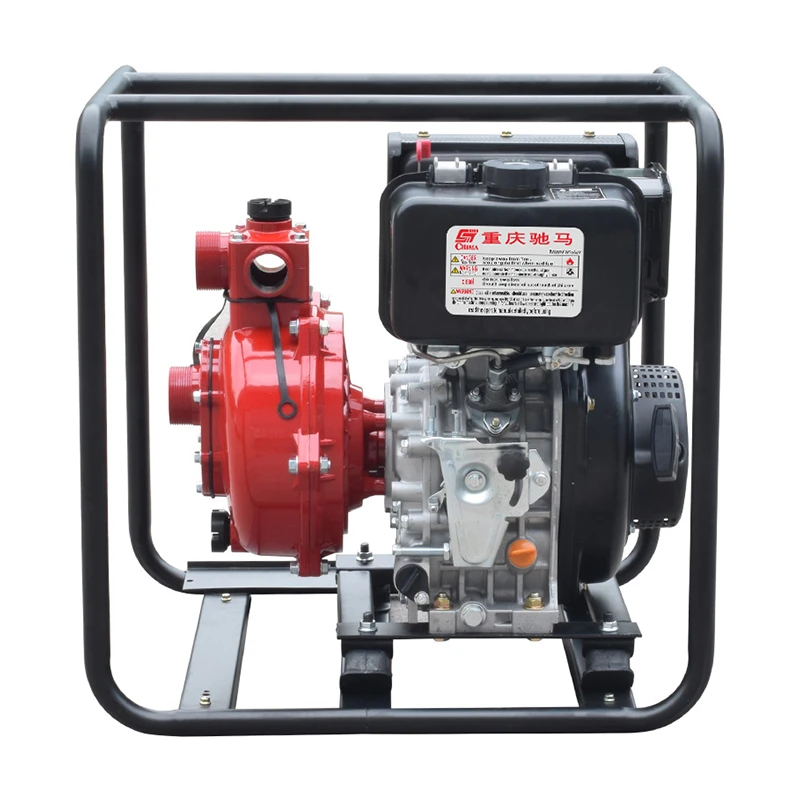
Diesel water pumps are powered by diesel engines, which offer several advantages over other types of pumps. They are known for their high power output, durability, and ability to operate in remote areas without access to electricity. The basic principle of a diesel water pump is to use the mechanical energy generated by the diesel engine to move water from one place to another.
There are different types of diesel water pumps available in the market, each designed for specific applications. For example, the Agriculture Air Cooled Diesel Engine Driven Irrigation Water Pump is specifically designed for agricultural irrigation. It is air - cooled, which makes it suitable for use in areas with limited water supply for cooling. This type of pump is often used to transport water from a well or a river to fields over long distances.
Another option is the Light Weight Large Flow Portable Diesel Operated Irrigation Water Pump for Farming. As the name suggests, it is lightweight and portable, making it easy to move around the farm. It can provide a large flow of water, which is ideal for irrigating large areas of land.
The Agricultural Irrigation High Volume Diesel Water Pump is designed to handle high - volume water transport. It is suitable for large - scale agricultural operations where a significant amount of water needs to be transported over long distances.
Factors to Consider for Long - Distance Water Transport
1. Pump Capacity
The capacity of the diesel water pump is crucial for long - distance water transport. It is measured in terms of flow rate (the volume of water pumped per unit time) and head (the height to which the water can be pumped). For long - distance transport, you need a pump with a sufficient flow rate to ensure that an adequate amount of water reaches the destination. Additionally, the pump should have enough head to overcome the friction losses in the pipes and the elevation differences between the source and the destination.
2. Pipe Selection
The type and size of the pipes used for water transport also play a significant role. Larger diameter pipes generally have lower friction losses, which means that the pump doesn't have to work as hard to push the water through. However, larger pipes are more expensive and may be more difficult to install. You also need to consider the material of the pipes. PVC pipes are lightweight and corrosion - resistant, while steel pipes are stronger and can withstand higher pressures.
3. Elevation Differences
If there are significant elevation differences between the water source and the destination, the pump needs to have enough head to lift the water to the required height. For example, if you are pumping water from a low - lying river to a hilltop field, the pump must be able to overcome the gravitational force acting on the water.
4. Friction Losses
As water flows through the pipes, it experiences friction with the pipe walls. This friction causes a loss of energy, which means that the pump has to work harder to maintain the flow. Friction losses depend on the pipe diameter, the length of the pipe, the roughness of the pipe walls, and the flow rate. To minimize friction losses, you can use smoother pipes and keep the flow rate within the recommended range for the pipe size.
5. Power Supply
Since diesel water pumps are powered by diesel engines, you need to ensure a continuous supply of diesel fuel. For long - distance water transport, especially in remote areas, it may be necessary to have a large fuel storage tank or a reliable fuel delivery system.
Steps for Long - Distance Water Transport Using a Diesel Water Pump
1. Site Assessment
Before installing the diesel water pump, conduct a thorough site assessment. Identify the water source, the destination, and the elevation differences between them. Measure the distance that the water needs to be transported and the required flow rate. This information will help you select the appropriate pump and pipes.
2. Pump Selection
Based on the site assessment, choose a diesel water pump with the right capacity. Consider the factors mentioned above, such as pump capacity, head, and the type of application. You can consult with a professional or refer to the pump manufacturer's specifications to make an informed decision.
3. Pipe Installation
Install the pipes according to the design. Make sure the pipes are properly connected and sealed to prevent leaks. Use supports to secure the pipes and prevent them from sagging or shifting. If there are elevation changes, install valves and fittings to control the flow and prevent water hammer (a sudden increase in pressure caused by a rapid change in flow).
4. Pump Installation
Install the diesel water pump at a suitable location near the water source. Make sure it is level and firmly secured. Connect the pump to the pipes and the fuel supply system. Check all the connections to ensure they are tight and leak - free.
5. Testing and Commissioning
Before starting long - term operation, test the diesel water pump. Fill the pump and the pipes with water to prime the pump. Start the diesel engine and gradually increase the speed. Monitor the flow rate, pressure, and temperature of the pump. Check for any leaks or abnormal noises. If everything is working properly, the pump is ready for long - distance water transport.

Maintenance of Diesel Water Pumps for Long - Distance Water Transport
Regular maintenance is essential to ensure the reliable operation of the diesel water pump for long - distance water transport. Here are some maintenance tips:
1. Engine Maintenance
- Change the engine oil and filters at regular intervals as recommended by the manufacturer.
- Check the coolant level in the engine (if it is a water - cooled engine) and top it up if necessary.
- Inspect the air filter and clean or replace it if it is dirty.
- Check the fuel system for leaks and make sure the fuel injectors are working properly.
2. Pump Maintenance
- Check the pump for any signs of wear or damage, such as leaks, loose bolts, or worn - out impellers.
- Lubricate the bearings and other moving parts as required.
- Clean the pump and the pipes regularly to prevent the buildup of sediment and debris.
3. Electrical System Maintenance
If the diesel water pump has an electrical control system, check the wiring and connections for any signs of damage or corrosion. Make sure the electrical components are functioning properly.
Conclusion
Transporting water over long distances using a diesel water pump requires careful planning and consideration of various factors. By selecting the right pump, pipes, and following the proper installation and maintenance procedures, you can ensure an efficient and reliable water transport system.
If you are interested in purchasing a diesel water pump for long - distance water transport or have any questions about our products, we invite you to contact us for procurement discussions. Our team of experts is ready to assist you in choosing the most suitable pump for your specific needs.
References
- "Pump Handbook" by Igor Karassik et al.
- "Fluid Mechanics" by Frank White.
- Manufacturer's manuals for diesel water pumps.