

Can I use ethanol - blended fuel in an inverter generator?
As a supplier of inverter generators, I often receive inquiries from customers about the compatibility of ethanol - blended fuels with our products. This is a crucial question as the choice of fuel can significantly impact the performance, durability, and maintenance requirements of an inverter generator.
Understanding Ethanol - Blended Fuels
Ethanol, also known as grain alcohol, is a renewable fuel made from various plant materials such as corn, sugarcane, and wheat. Ethanol - blended fuels, commonly referred to as E10 (10% ethanol and 90% gasoline), E15 (15% ethanol and 85% gasoline), and E85 (85% ethanol and 15% gasoline), have become increasingly popular due to their potential environmental benefits and government mandates to reduce dependence on fossil fuels.

The main advantage of ethanol - blended fuels is their ability to reduce greenhouse gas emissions. Ethanol burns cleaner than gasoline, producing fewer carbon monoxide and particulate emissions. Additionally, since ethanol is made from renewable resources, it can help to decrease the overall carbon footprint of the transportation and power generation sectors.
Compatibility of Inverter Generators with Ethanol - Blended Fuels
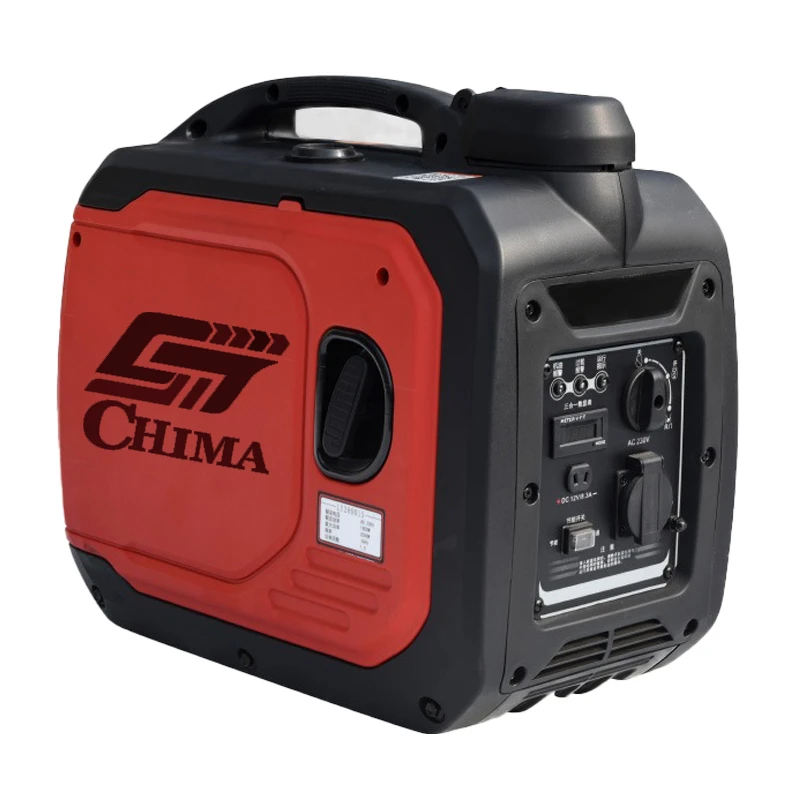
Most modern inverter generators are designed to run on regular unleaded gasoline, which typically contains up to 10% ethanol (E10). Our inverter generators, including the 2000 Watt Inverter Generator for Home and the Quite Inverter Generator, are engineered to be compatible with E10 fuel. The engines are built with components that can withstand the corrosive effects of a small amount of ethanol.
However, it's important to note that using higher - percentage ethanol blends, such as E15 or E85, in an inverter generator not specifically designed for them can lead to several problems. Ethanol is a solvent, and higher concentrations can cause damage to fuel system components. It can dissolve certain types of rubber, plastic, and fiberglass parts in the fuel lines, carburetors, and fuel tanks. This can result in leaks, clogged fuel filters, and poor engine performance.
Moreover, ethanol has a lower energy density compared to gasoline. This means that for every gallon of fuel, an engine running on ethanol - blended fuel will produce less power. As a result, using high - ethanol blends may cause your inverter generator to run less efficiently, have reduced power output, and experience shorter run times between refueling.
Potential Issues with Ethanol - Blended Fuels
One of the most significant issues with ethanol - blended fuels is their tendency to absorb water from the atmosphere. This can lead to phase separation, where the ethanol and water mixture separates from the gasoline. Phase separation can occur when the fuel is stored for an extended period or in high - humidity environments. When phase - separated fuel is used in an inverter generator, it can cause engine stalling, rough idling, and even permanent damage to the engine.

Another problem is the increased risk of corrosion. Ethanol can attract moisture, which can cause rust and corrosion in the fuel system. Over time, this can lead to the deterioration of fuel system components, such as fuel injectors and carburetors, resulting in costly repairs.
Tips for Using Ethanol - Blended Fuels in Inverter Generators
If you choose to use ethanol - blended fuel in your inverter generator, here are some tips to minimize potential problems: 1. Check the Manufacturer's Recommendations: Always refer to the owner's manual of your inverter generator to determine the maximum percentage of ethanol that the engine can tolerate. Our 149CC 3000 Watt Best Silent Inverter Generator for Home Use clearly states the recommended fuel type in its manual. 2. Use Fresh Fuel: Ethanol - blended fuels have a shorter shelf life compared to pure gasoline. Try to use fresh fuel and avoid storing it for more than 30 days. If you need to store fuel for an extended period, consider using a fuel stabilizer to prevent phase separation and oxidation. 3. Keep the Fuel Tank Full: When storing your inverter generator, keep the fuel tank full to minimize the amount of air in the tank. This helps to reduce the risk of moisture absorption and phase separation. 4. Perform Regular Maintenance: Regular maintenance is essential when using ethanol - blended fuels. This includes changing the fuel filter, cleaning the carburetor (if applicable), and inspecting the fuel lines for signs of damage or corrosion.

Conclusion
In summary, while most of our inverter generators are compatible with E10 ethanol - blended fuel, using higher - percentage ethanol blends can pose significant risks to the engine's performance and longevity. As a supplier, we recommend using regular unleaded gasoline with up to 10% ethanol to ensure optimal performance and minimize maintenance issues.
If you have any further questions about using ethanol - blended fuels in our inverter generators or are interested in purchasing one of our products, please feel free to contact us. We are always ready to assist you with your power generation needs and provide you with the best solutions for your specific requirements.
References
- "Ethanol Fuel Basics." Alternative Fuels Data Center, U.S. Department of Energy.
- "Effects of Ethanol - Blended Fuels on Small Engines." National Renewable Energy Laboratory.
- Owner's manuals of our inverter generators, including the 2000 Watt Inverter Generator for Home, Quite Inverter Generator, and 149CC 3000 Watt Best Silent Inverter Generator for Home Use.