

Hey there! As a diesel water pump supplier, I often get asked if a diesel water pump can be used for filling a swimming pool. Well, let's dive right into this topic and find out.
First off, let's talk about what a diesel water pump is. Diesel water pumps are powerful machines that use diesel engines to drive the pumping mechanism. They're known for their high performance, durability, and ability to handle large volumes of water. These pumps come in various types and sizes, each designed for specific applications. For instance, we have the Portable 4-stroke Air-cooled Diesel Water Pump, which is great for small - scale and mobile operations. Then there's the Diesel Powered Driven Irrigation Transfer Pump, ideal for moving water over longer distances, and the Agricultural Irrigation High Volume Diesel Water Pump, built to handle large - scale water transfer tasks.
Now, can these pumps be used for filling a swimming pool? The short answer is yes, they can. Diesel water pumps have the power and capacity to fill a swimming pool relatively quickly. Unlike some electric pumps that may have limitations in terms of power output or need a nearby power source, diesel pumps are self - contained and can operate in remote locations. This means that even if your pool is far from an electrical outlet, a diesel water pump can still get the job done.
One of the main advantages of using a diesel water pump for pool filling is its high flow rate. Diesel engines are capable of generating a lot of power, which translates into a faster water transfer rate. If you have a large swimming pool, filling it with a regular garden hose could take days. But with a diesel water pump, you can significantly reduce the filling time. For example, a medium - sized diesel water pump can fill a standard 20,000 - gallon pool in just a few hours, depending on the pump's specifications.
Another benefit is the reliability of diesel pumps. They're built to last and can withstand tough working conditions. Whether it's hot summer days or cold winter months, a diesel water pump will keep running. This is especially important when you're in the middle of filling your pool and don't want any interruptions. Diesel engines are also less prone to electrical issues that can plague electric pumps, such as short circuits or power surges.
However, there are also some things to consider before using a diesel water pump for pool filling. One of the main concerns is the quality of the water. Diesel pumps are typically used for transferring water from sources like rivers, lakes, or wells. The water from these sources may contain dirt, debris, or other contaminants. If you use this water directly in your pool, it can affect the water chemistry and clarity. You'll need to make sure to filter the water properly before it goes into the pool. You can use a pre - filter system attached to the pump intake to remove large particles, and then use the pool's built - in filtration system to further clean the water.
Noise is another factor. Diesel engines can be quite noisy, especially when they're running at full power. If you have neighbors close by, the noise from the pump may be a nuisance. You can try to place the pump in a location that's as far away from neighboring properties as possible, or use noise - reducing enclosures to dampen the sound.
Fuel consumption is also something to keep in mind. Diesel fuel can be expensive, and running a diesel water pump for an extended period to fill a pool can add up in terms of cost. You'll need to calculate the fuel cost based on the pump's fuel consumption rate and the time it takes to fill the pool. It's a good idea to compare the cost of using a diesel pump with other filling methods, such as using an electric pump or a municipal water supply.
When it comes to installation, diesel water pumps require a bit more setup compared to some other types of pumps. You need to ensure that the pump is properly grounded to prevent any electrical hazards. You also need to connect the intake and discharge hoses correctly. Make sure the hoses are the right size and are tightly connected to avoid any leaks.
In terms of maintenance, diesel water pumps need regular upkeep to keep them in good working condition. This includes changing the oil, filters, and spark plugs (in some cases) at the recommended intervals. You also need to check the fuel system for any leaks or blockages. Regular maintenance will not only extend the life of the pump but also ensure its optimal performance when filling your pool.
If you're thinking about using a diesel water pump for pool filling, here are some tips to make the process smoother. First, do your research and choose the right pump for your needs. Consider the size of your pool, the distance from the water source, and your budget. Second, make sure to test the pump before you start filling the pool. Run it for a few minutes to check for any leaks or abnormal noises. Third, keep an eye on the water level in the pool and the pump's operation. If you notice any issues, stop the pump immediately and troubleshoot the problem.

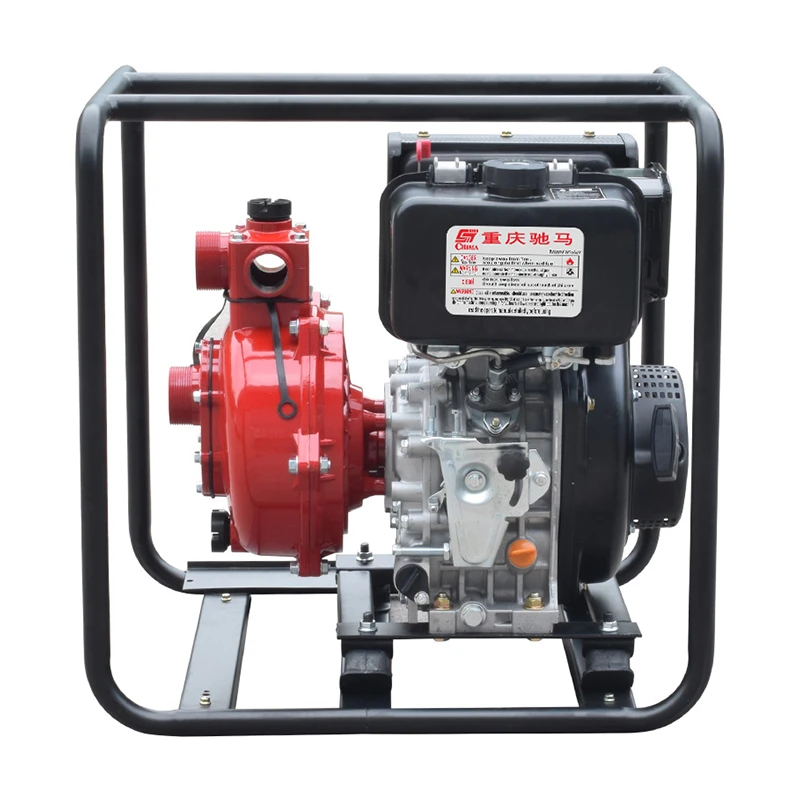
So, in conclusion, a diesel water pump can definitely be used for filling a swimming pool. It offers high - speed filling, reliability, and the ability to work in remote locations. But you need to be aware of the potential drawbacks, such as water quality, noise, fuel cost, and maintenance requirements. If you're willing to address these issues, a diesel water pump can be a great option for filling your pool.
If you're interested in purchasing a diesel water pump for your pool filling needs or have any questions about our products, feel free to reach out. We're here to help you make the right choice and ensure that your pool filling process goes smoothly.
References
- "Diesel Engine Basics" - General knowledge about diesel engines and their operation.
- "Water Pump Handbook" - Information on different types of water pumps and their applications.
- "Swimming Pool Maintenance Guide" - Guidelines on pool water quality and maintenance.