

In the realm of power generation, inverter generators have emerged as a popular choice for various applications, from camping trips to providing backup power for homes. As a dedicated inverter generator supplier, I understand the importance of not only offering high-quality products but also keeping our customers informed about the regulatory landscape surrounding these devices. In this blog post, I'll delve into the government regulations regarding the use of inverter generators, exploring why they exist, what they entail, and how they impact both suppliers and users.
Why Are There Regulations?
Government regulations for inverter generators are put in place for several crucial reasons. First and foremost, safety is a top priority. Inverter generators, like any other electrical equipment, have the potential to pose risks if not used correctly. Regulations help ensure that these generators are designed, manufactured, and used in a way that minimizes the chances of electrical shocks, fires, and other hazards.
Another significant aspect is environmental protection. Inverter generators, especially those powered by fossil fuels, emit pollutants such as carbon monoxide, nitrogen oxides, and particulate matter. Regulations aim to limit these emissions, reducing the impact on air quality and public health. By setting standards for emissions, governments encourage the development and use of more environmentally friendly inverter generators.
Types of Regulations
Safety Regulations
Safety regulations for inverter generators cover a wide range of aspects, from the design and construction of the generator to its operation and maintenance. Manufacturers are required to adhere to specific safety standards, such as those set by organizations like the International Electrotechnical Commission (IEC) and the Underwriters Laboratories (UL).
One of the key safety features regulated is the grounding system. Inverter generators must have a proper grounding mechanism to prevent electrical shocks. This typically involves a grounding wire that connects the generator's frame to the ground. Additionally, generators are required to have overcurrent protection devices, such as circuit breakers, to prevent damage to the generator and connected equipment in case of a short circuit or overload.
Another important safety regulation is the use of proper enclosures. Inverter generators should be housed in a sturdy and well-ventilated enclosure to protect users from moving parts and electrical components. The enclosure should also be designed to prevent the entry of water and debris, which could cause damage to the generator or pose a safety risk.
Emissions Regulations
Emissions regulations for inverter generators are designed to limit the amount of pollutants released into the atmosphere. These regulations vary from country to country and region to region, but they generally focus on reducing emissions of carbon monoxide (CO), nitrogen oxides (NOx), and particulate matter (PM).
In the United States, for example, the Environmental Protection Agency (EPA) sets emissions standards for small engines, including those used in inverter generators. These standards require manufacturers to meet specific limits for CO, NOx, and PM emissions. Generators that meet these standards are typically labeled with an EPA certification mark.
In the European Union, the emissions standards for small engines are set by the European Commission. These standards are similar to those in the United States but may have some differences in terms of the specific limits and testing procedures.
Noise Regulations
Noise pollution is another concern when it comes to inverter generators, especially in residential areas and outdoor recreational settings. Governments have implemented noise regulations to limit the amount of noise generated by these generators.
Noise regulations typically specify the maximum allowable noise level in decibels (dB) at a certain distance from the generator. For example, in some areas, the maximum allowable noise level for a generator operating at full load may be limited to 65 dB at a distance of 7 meters. Manufacturers are required to test their generators to ensure that they meet these noise standards and may be required to label their products with the noise level information.
Impact on Suppliers and Users
For Suppliers
As an inverter generator supplier, we are directly affected by government regulations. We must ensure that all the products we offer comply with the relevant safety, emissions, and noise regulations. This requires us to work closely with our manufacturers to ensure that they are using high-quality materials and following the latest manufacturing processes.
Compliance with regulations also means additional costs for us. We may need to invest in testing equipment and certification processes to ensure that our products meet the standards. However, we believe that these costs are necessary to provide our customers with safe and reliable inverter generators.
For Users
Government regulations also have a significant impact on users of inverter generators. By ensuring that generators meet safety standards, users can have peace of mind knowing that they are using a product that has been tested and approved for use. Emissions regulations mean that users are contributing to a cleaner environment by using a generator that produces fewer pollutants.
Noise regulations are also beneficial for users, especially those who use their generators in residential areas or outdoor recreational settings. By limiting the noise level, these regulations help to minimize the impact on the surrounding environment and reduce the potential for noise complaints.
Our Product Offerings
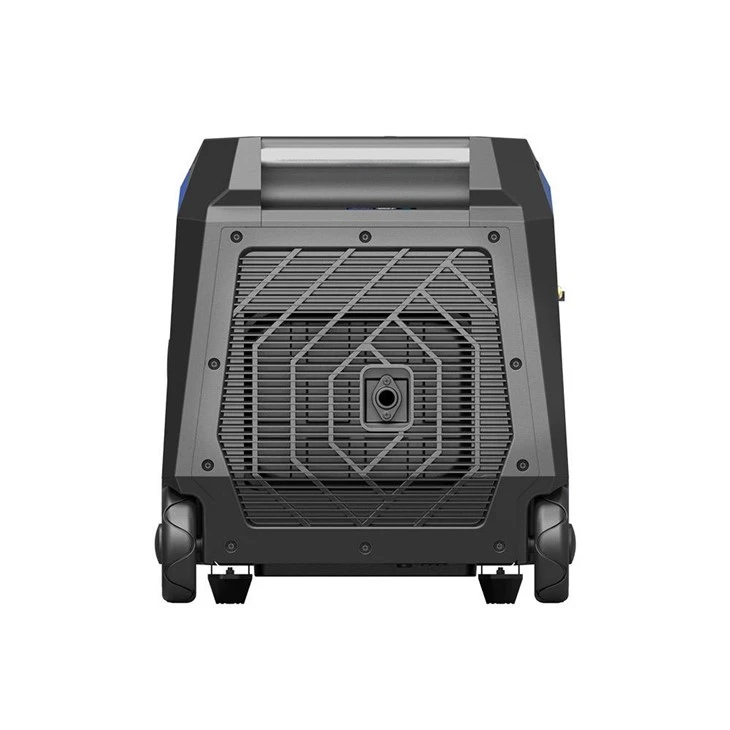
At our company, we offer a wide range of inverter generators that comply with all the relevant government regulations. Our 3kva Portable Super Quiet Inverter Generator for Camping is a popular choice for outdoor enthusiasts. It is designed to be lightweight and portable, making it easy to take on camping trips or other outdoor activities. With its low noise level and high fuel efficiency, it is also environmentally friendly.
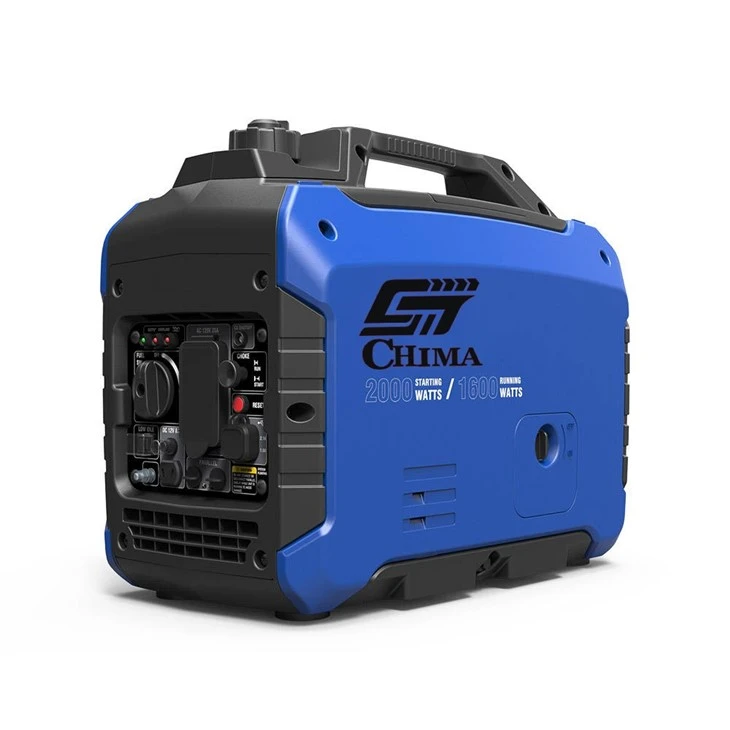
For those who need a reliable backup power source for their homes, we recommend our 2000 Watt Inverter Generator for Home. This generator is powerful enough to run essential appliances and electronics during a power outage and is designed to be quiet and efficient.
We also offer a Quite Inverter Generator that is suitable for a variety of applications. Whether you need a generator for your business, construction site, or outdoor event, this generator is a great choice.
Contact Us for Procurement
If you are interested in purchasing an inverter generator, we invite you to contact us for more information. Our team of experts is available to answer any questions you may have and to help you choose the right generator for your needs. We offer competitive prices, excellent customer service, and fast delivery.
References
- International Electrotechnical Commission (IEC). Various safety standards for electrical equipment.
- Underwriters Laboratories (UL). Safety standards for inverter generators.
- Environmental Protection Agency (EPA). Emissions standards for small engines.
- European Commission. Emissions standards for small engines in the European Union.