

Hey there! I'm a supplier of gasoline generators, and I often get asked about using these generators in a marine environment. You see, while a standard gasoline generator works great for most land - based applications, the marine environment is a whole different ballgame. So, what modifications are needed for a gasoline generator to be used in a marine environment? Let's dive in.
1. Corrosion Resistance
The marine environment is extremely harsh due to the presence of saltwater. Saltwater is highly corrosive, and it can quickly damage the components of a standard gasoline generator. To make a generator suitable for marine use, we need to enhance its corrosion resistance.
First off, the exterior of the generator should be coated with a high - quality anti - corrosion paint. This paint acts as a barrier between the metal parts of the generator and the salt - laden air. Additionally, we can use stainless steel or aluminum for components that are more exposed to the elements. For example, the frame and some of the internal brackets can be made of stainless steel.
We also need to pay attention to the electrical connections. In a marine environment, moisture can seep into the electrical connections, causing short - circuits and corrosion. We should use waterproof electrical connectors and apply dielectric grease to these connections. This grease not only prevents moisture from getting in but also provides some protection against corrosion.
2. Ventilation and Cooling
In a marine environment, proper ventilation and cooling are crucial. Gasoline generators produce a lot of heat during operation, and if this heat isn't dissipated properly, it can lead to overheating and damage to the engine.
On land, a standard air - cooled generator might work just fine. But in a marine setting, we might need to upgrade to a water - cooled system. Water - cooled generators are more efficient at dissipating heat, especially in a hot and humid marine environment. The water can be drawn from the surrounding sea, but it needs to be filtered first to prevent debris from clogging the cooling system.
We also need to ensure that the ventilation system is designed to prevent water from entering the generator. The air intake and exhaust vents should be positioned in a way that they are protected from waves and splashes. A good option is to use splash guards and baffles around these vents.
3. Fuel System Modifications
The fuel system of a gasoline generator used in a marine environment needs some special attention. Saltwater can contaminate the fuel, and the vibrations and movement on a boat can cause fuel to slosh around, leading to fuel delivery issues.
We should install a high - quality fuel filter that can remove any water and contaminants from the fuel. A water - separating fuel filter is a must - have. This filter can separate water from the gasoline, preventing it from reaching the engine.
The fuel tank should also be designed to prevent fuel from sloshing. We can install baffles inside the fuel tank to reduce the movement of the fuel. Additionally, the fuel lines should be made of materials that are resistant to corrosion and fuel degradation.
4. Safety Features
Safety is of utmost importance when using a gasoline generator in a marine environment. There are several safety features that need to be added or enhanced.
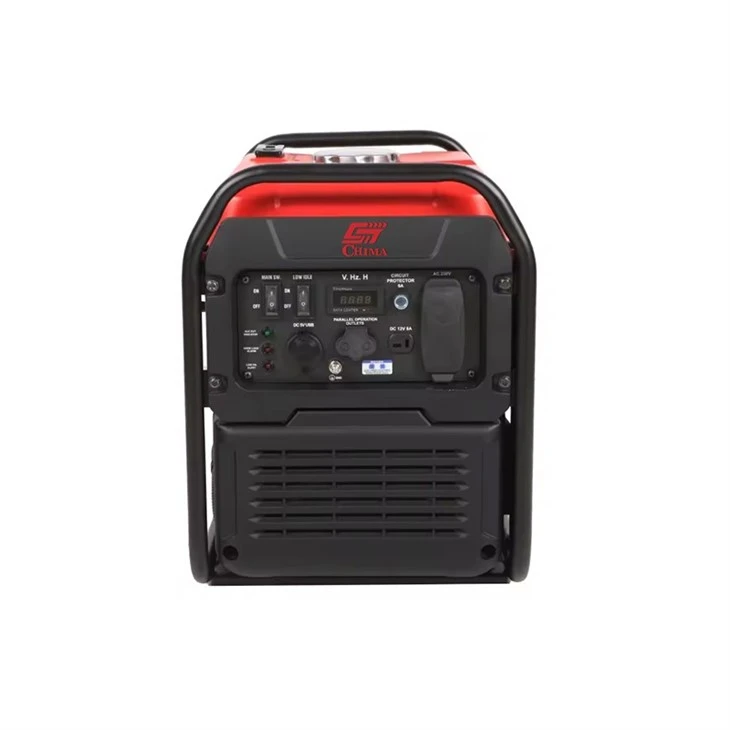

One of the most important safety features is a carbon monoxide (CO) detector. Gasoline generators produce carbon monoxide, which is a colorless and odorless gas that can be deadly. In a confined space on a boat, the risk of CO poisoning is even higher. A CO detector should be installed near the generator and in the living areas of the boat.
We also need to have a proper fire suppression system. Gasoline is highly flammable, and in a marine environment, a fire can spread quickly. A fire extinguisher rated for gasoline fires should be easily accessible near the generator.
5. Noise Reduction
On a boat, excessive noise can be a nuisance. Gasoline generators can be quite loud, so we need to take steps to reduce the noise.
We can use sound - absorbing materials to line the generator enclosure. These materials can absorb and dampen the sound waves produced by the generator. Additionally, we can design the exhaust system to be more quiet. A well - designed muffler can significantly reduce the noise level of the generator.
Our Product Offerings
As a gasoline generator supplier, we have a range of products that can be modified for marine use. For example, our 3kw 60HZ Portable Small Natural Gas Generator for Home is a great starting point. With the right modifications, it can be a reliable power source on a boat.
We also have Gasoline Powered Home Standby Small Portable Generators that can be adapted for marine use. These generators are known for their durability and performance, and with the necessary marine - specific modifications, they can meet the power needs of a boat.
Another option is our Air Cooled 4 Stroke Small Electric Start Generator for Home Use 5000 Watt. While it's an air - cooled generator, we can make the necessary changes to make it suitable for a marine environment.
Contact Us for Procurement
If you're in the market for a gasoline generator for your marine needs, we're here to help. We have the expertise and experience to modify our generators to meet the unique requirements of the marine environment. Whether you need a small generator for a fishing boat or a larger one for a yacht, we can provide you with a customized solution.
Don't hesitate to reach out to us for more information or to start the procurement process. We're looking forward to working with you to ensure you have a reliable and efficient power source for your marine adventures.
References
- "Marine Electrical Systems Handbook"
- "Gasoline Generator Maintenance and Repair Guide"
- "Corrosion Prevention in Marine Environments"