

Self-propelled lawn mowers have become an essential tool for maintaining a beautiful and well-kept lawn. One of the key considerations when choosing a self-propelled lawn mower is the type of fuel it uses. In this blog post, we'll explore the different types of fuels used in self-propelled lawn mowers, their advantages and disadvantages, and how they can impact your lawn care experience. As a self-propelled lawn mower supplier, we're here to provide you with the information you need to make an informed decision.
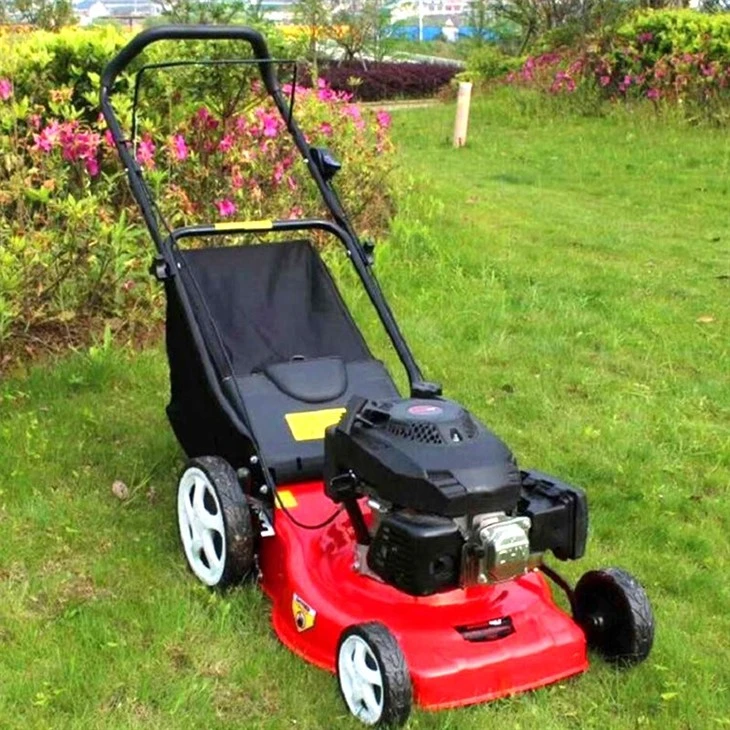

Gasoline
Gasoline is the most common fuel used in self-propelled lawn mowers. It offers several advantages that make it a popular choice among homeowners and professional landscapers alike.
Advantages
- Power and Performance: Gas-powered lawn mowers typically offer more power than their electric counterparts. This extra power allows them to cut through thick and tall grass with ease, making them ideal for larger lawns or areas with tough vegetation. For example, our 173cc 21-in Gas Self-propelled Reel Lawn Mower is equipped with a powerful 173cc engine that delivers exceptional cutting performance.
- Portability: Gasoline-powered mowers are not limited by cords or batteries, giving you the freedom to move around your lawn without any restrictions. You can easily mow large areas without having to worry about finding a power source or running out of battery charge.
- Quick Refueling: Refilling a gas tank is a quick and straightforward process. You can simply fill up the tank at a gas station and get back to mowing your lawn in no time. This is especially convenient if you have a large lawn that requires multiple refills during a single mowing session.
Disadvantages
- Emissions: Gasoline engines produce emissions that can be harmful to the environment and human health. These emissions include carbon monoxide, nitrogen oxides, and particulate matter. If you're concerned about the environmental impact of your lawn mower, you may want to consider an alternative fuel option.
- Maintenance: Gas-powered lawn mowers require more maintenance than electric mowers. You need to regularly change the oil, air filter, and spark plug to keep the engine running smoothly. Additionally, you need to store the gasoline properly to prevent it from going bad.
- Noise: Gasoline engines are generally louder than electric motors. The noise can be a nuisance to you and your neighbors, especially if you live in a residential area.
Electricity
Electric self-propelled lawn mowers are becoming increasingly popular due to their environmental friendliness and ease of use. There are two main types of electric lawn mowers: corded and cordless.
Corded Electric Lawn Mowers
- Advantages:
- Low Emissions: Corded electric lawn mowers produce zero emissions, making them a great choice for environmentally conscious homeowners.
- Quiet Operation: Electric motors are much quieter than gasoline engines, reducing noise pollution in your neighborhood.
- Low Maintenance: Corded electric mowers require minimal maintenance. You don't need to worry about changing the oil, air filter, or spark plug.
- Disadvantages:
- Limited Mobility: The cord restricts your movement, making it difficult to mow large or irregularly shaped lawns. You need to ensure that the cord is long enough to reach all areas of your lawn without getting tangled.
- Safety Concerns: There is a risk of tripping over the cord or cutting it with the mower blade. You need to be extra careful when using a corded electric lawn mower to avoid accidents.
Cordless Electric Lawn Mowers
- Advantages:
- Portability: Cordless electric mowers offer the freedom of movement without the hassle of a cord. You can easily mow around obstacles and in hard-to-reach areas.
- Low Emissions: Like corded electric mowers, cordless electric mowers produce zero emissions.
- Quiet Operation: Cordless electric mowers are also quiet, making them a good choice for residential areas.
- Disadvantages:
- Limited Battery Life: The battery life of cordless electric mowers is limited. You may need to recharge the battery multiple times if you have a large lawn.
- Higher Cost: Cordless electric mowers are generally more expensive than corded electric mowers due to the cost of the battery.
Propane
Propane is another alternative fuel option for self-propelled lawn mowers. It offers several advantages over gasoline and electricity.
Advantages
- Clean Burning: Propane burns cleaner than gasoline, producing fewer emissions. This makes it a more environmentally friendly option.
- Longer Shelf Life: Propane has a longer shelf life than gasoline, so you don't have to worry about it going bad if you store it for an extended period.
- Cost-Effective: In some areas, propane is less expensive than gasoline, which can save you money in the long run.
Disadvantages
- Limited Availability: Propane may not be as readily available as gasoline. You may need to find a propane refill station, which can be inconvenient.
- Special Equipment: You need special equipment to convert a gasoline-powered lawn mower to run on propane. This can add to the cost of the mower.
Choosing the Right Fuel for Your Self-Propelled Lawn Mower
When choosing the right fuel for your self-propelled lawn mower, you need to consider several factors, including the size of your lawn, your budget, and your environmental concerns.
- Small Lawns: If you have a small lawn, a corded or cordless electric lawn mower may be a good choice. They are quiet, easy to use, and require minimal maintenance.
- Medium to Large Lawns: For medium to large lawns, a gas-powered lawn mower is usually the best option. It offers more power and performance, allowing you to cut through thick grass quickly. Our Craftsman Store 163cc 22-in Gas Self-propelled Lawn Mower is a great choice for medium to large lawns, with its powerful 163cc engine and 22-inch cutting deck.
- Environmentally Conscious: If you're concerned about the environment, you may want to consider an electric or propane-powered lawn mower. They produce fewer emissions and are more sustainable.
Conclusion
In conclusion, the type of fuel you choose for your self-propelled lawn mower depends on your specific needs and preferences. Gasoline offers power and performance, but it comes with emissions and maintenance requirements. Electricity is environmentally friendly and easy to use, but it has limitations in terms of mobility and battery life. Propane is a clean-burning alternative, but it may not be as readily available.
As a self-propelled lawn mower supplier, we offer a wide range of mowers that use different types of fuels. Whether you're looking for a powerful gas mower, a quiet electric mower, or an environmentally friendly propane mower, we have the perfect solution for you. If you're interested in purchasing a self-propelled lawn mower or have any questions about the different fuel options, please don't hesitate to contact us. We're here to help you make the right choice for your lawn care needs.
References
- "Lawn Mower Fuel Types: Pros and Cons." Home Depot.
- "Electric vs. Gas Lawn Mowers: Which Is Right for You?" Consumer Reports.
- "Propane-Powered Lawn Mowers: A Cleaner Alternative." Propane Education & Research Council.