

As a supplier of gasoline water pumps, I often encounter inquiries from customers regarding various technical aspects of these pumps. One of the most frequently asked questions is about the suction lift of a gasoline water pump. In this blog post, I'll delve into what suction lift is, how it works, and its significance in the operation of gasoline water pumps.
Understanding Suction Lift
Suction lift refers to the vertical distance that a pump can draw water from a source below the pump's inlet. It is a critical parameter as it determines the pump's ability to lift water from a lower level to the pump itself. In simpler terms, it's the height that the pump can "suck" water up.
The concept of suction lift is based on atmospheric pressure. At sea - level, the atmospheric pressure is approximately 14.7 psi (pounds per square inch) or 101.3 kPa (kilopascals). This pressure acts on the surface of the water in the source, allowing the pump to create a partial vacuum at its inlet, which then causes the water to rise.
However, the maximum theoretical suction lift at sea - level is limited by the atmospheric pressure. Water can be lifted to a maximum height of about 33.9 feet (10.3 meters) under ideal conditions. But in real - world applications, due to factors such as friction losses in the suction pipe, vapor pressure of the water, and inefficiencies in the pump, the practical suction lift is much lower, typically around 25 feet (7.6 meters) or less.
How Suction Lift Works in Gasoline Water Pumps
Gasoline water pumps operate by using a gasoline engine to drive an impeller. When the engine starts, the impeller rotates, creating a low - pressure area at the pump's inlet. This low - pressure area, or partial vacuum, causes the water in the source to be drawn up through the suction pipe and into the pump.
The key to achieving an effective suction lift lies in creating a good seal at the pump inlet and in the suction pipe. Any air leaks in the system can disrupt the vacuum and reduce the pump's ability to lift water. For example, if there is a small hole in the suction pipe or a loose connection, air can enter the system, breaking the vacuum and causing the pump to lose its prime.
To start the pump and establish the initial suction, many gasoline water pumps are equipped with a priming mechanism. This can be a manual priming pump or a self - priming feature. A manual priming pump requires the operator to manually remove air from the suction pipe and fill it with water before starting the engine. Self - priming pumps, on the other hand, are designed to automatically remove air from the suction line and prime themselves.
Factors Affecting Suction Lift
Several factors can affect the suction lift of a gasoline water pump:
Altitude
As altitude increases, the atmospheric pressure decreases. This means that at higher elevations, the maximum possible suction lift is reduced. For example, at an altitude of 5000 feet (1524 meters), the atmospheric pressure is lower than at sea - level, and the practical suction lift may be only around 20 feet (6.1 meters) or less.
Temperature
The temperature of the water also plays a role. As water temperature increases, its vapor pressure increases. When the vapor pressure of the water exceeds the pressure in the suction pipe, the water can start to boil or vaporize, creating vapor locks that disrupt the suction process. This is especially a concern when pumping hot water.
Pipe Diameter and Length
The diameter and length of the suction pipe can have a significant impact on the suction lift. A smaller - diameter pipe or a longer pipe will have higher friction losses. These losses reduce the pressure available at the pump inlet, thereby reducing the suction lift. For example, a long, narrow suction pipe may cause the pump to struggle to lift water even if the vertical distance is within the pump's rated suction lift.
Type of Pump
Different types of gasoline water pumps have different suction lift capabilities. Centrifugal pumps, which are commonly used in gasoline water pumps, have a certain range of suction lift depending on their design and size. Some pumps are specifically designed for high - suction applications, while others may be more suitable for low - lift, high - flow situations.
Significance of Suction Lift in Different Applications
The suction lift of a gasoline water pump is crucial in various applications:
Construction Sites
On construction sites, water may need to be pumped from a lower level, such as a sump or a well. A pump with a sufficient suction lift is essential to remove water efficiently and prevent flooding. Our Petrol Water Pump for Construction Site is designed to handle these challenging conditions, with a good suction lift capability to ensure reliable operation.
Irrigation
In agricultural irrigation, water may be sourced from a river, pond, or well that is below the level of the pump. The pump needs to be able to lift the water to the required height to supply it to the irrigation system. Our 152F Single Four Stroke Gas Water Pumps for Irrigation are engineered to provide an adequate suction lift for these types of applications.
Portable Applications
Portable gasoline water pumps are often used in emergency situations or for temporary water - pumping needs. Their suction lift ability determines how effectively they can be used in different locations. Our Portable 4 - Stroke Gas Petrol Driven Motor Water Pump is a lightweight and versatile option with a reliable suction lift for various on - the - go applications.
Ensuring Optimal Suction Lift Performance
To ensure that your gasoline water pump operates at its optimal suction lift:
- Proper Installation: Install the pump as close to the water source as possible to minimize the length of the suction pipe. Make sure the suction pipe is straight and free of sharp bends, which can increase friction losses.
- Regular Maintenance: Check the suction pipe and pump inlet for any signs of damage or leaks. Replace any worn - out gaskets or seals. Keep the impeller clean and in good condition to maintain its efficiency.
- Correct Priming: Follow the manufacturer's instructions for priming the pump. Whether it's a manual or self - priming pump, proper priming is essential for achieving the best suction lift.
Conclusion
The suction lift of a gasoline water pump is a vital factor that determines its performance in various applications. Understanding how it works, the factors that affect it, and how to ensure optimal performance is crucial for both pump users and suppliers like us.
If you're in the market for a gasoline water pump and have specific requirements regarding suction lift or other performance parameters, we're here to help. Our range of gasoline water pumps is designed to meet the diverse needs of different industries and applications. Whether you need a pump for construction, irrigation, or portable use, we can provide you with the right solution.
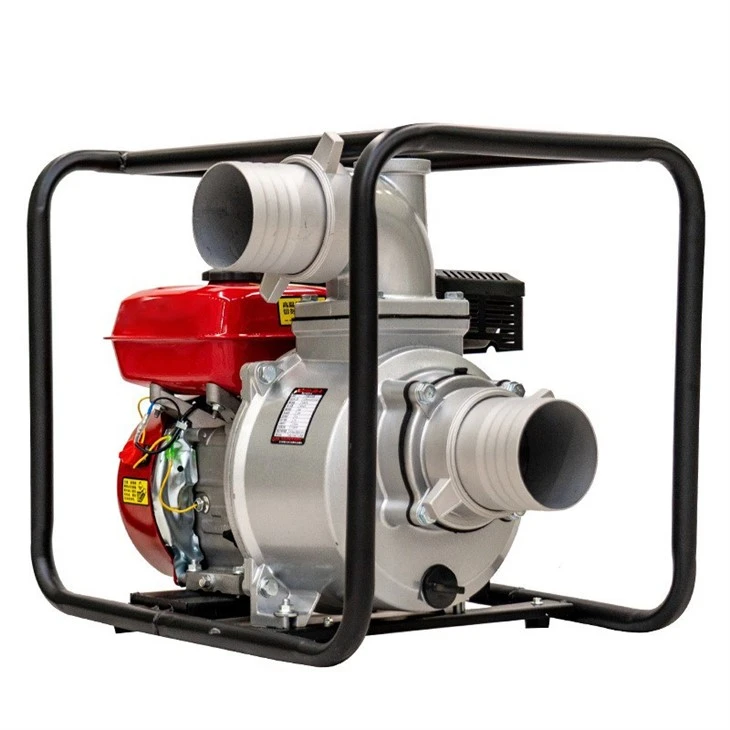

Contact us today to discuss your water - pumping needs and to learn more about our products. We look forward to working with you to find the perfect gasoline water pump for your project.
References
- "Pump Handbook" by Igor J. Karassik, Joseph P. Messina, Paul Cooper, and Charles C. Heald.
- "Fluid Mechanics" by Frank M. White.
- Technical documentation from various gasoline water pump manufacturers.