

As a supplier of gasoline water pumps, I often receive inquiries about the suction capacity of these pumps. Understanding the suction capacity is crucial for customers to choose the right pump for their specific needs. In this blog post, I'll delve into what the suction capacity of a gasoline water pump is, the factors that affect it, and how it relates to the performance of our products.
What is Suction Capacity?
The suction capacity of a gasoline water pump refers to the pump's ability to draw water from a source, such as a well, a pond, or a tank, and lift it to the pump's intake. It is typically measured in terms of the vertical distance (suction lift) that the pump can lift water and the volume of water it can draw in a given time.
The suction lift is the maximum height that the pump can lift water vertically from the water source to the pump's inlet. This height is limited by several factors, including atmospheric pressure, the design of the pump, and the presence of air or vapor in the suction line. At sea level, the theoretical maximum suction lift for a water pump is approximately 10.3 meters (33.8 feet) due to the atmospheric pressure. However, in practical applications, the actual suction lift is usually much less, typically ranging from 3 to 7 meters (10 to 23 feet), depending on the pump's design and operating conditions.
The volume of water that a pump can draw is another important aspect of suction capacity. It is usually measured in liters per minute (L/min) or gallons per minute (GPM). The volume of water that a pump can draw depends on its flow rate, which is determined by the pump's design, the power of the engine, and the size of the suction and discharge pipes.
Factors Affecting Suction Capacity
Several factors can affect the suction capacity of a gasoline water pump. Understanding these factors can help customers choose the right pump for their needs and ensure optimal performance.
Atmospheric Pressure
As mentioned earlier, atmospheric pressure plays a significant role in determining the maximum suction lift of a pump. At higher altitudes, the atmospheric pressure is lower, which reduces the maximum suction lift. For example, at an altitude of 2,000 meters (6,562 feet), the atmospheric pressure is approximately 80% of the pressure at sea level, which means that the maximum suction lift is also reduced by about 20%.
Pump Design
The design of the pump also affects its suction capacity. Pumps with a larger impeller diameter and a more efficient impeller design can typically generate a higher suction lift and flow rate. Additionally, pumps with a self-priming feature can be more convenient to use, as they can automatically remove air from the suction line and prime the pump without the need for manual priming.
Suction Line
The suction line is the pipe that connects the water source to the pump's inlet. The length, diameter, and material of the suction line can all affect the suction capacity of the pump. A longer suction line or a smaller diameter suction line can increase the friction loss, which reduces the suction lift and flow rate. Additionally, the presence of air or vapor in the suction line can also reduce the suction capacity of the pump.
Water Temperature
The temperature of the water can also affect the suction capacity of the pump. As the water temperature increases, the vapor pressure of the water also increases, which can cause the water to vaporize in the suction line. This can lead to cavitation, which is a phenomenon where the vapor bubbles collapse and cause damage to the pump's impeller and other components. To prevent cavitation, it is important to ensure that the water temperature is within the pump's operating range.
Suction Capacity of Our Gasoline Water Pumps
At our company, we offer a wide range of gasoline water pumps with different suction capacities to meet the needs of our customers. Our pumps are designed to provide high performance, reliability, and durability, and they are suitable for a variety of applications, including irrigation, drainage, and firefighting.
For example, our 152F Single Four Stroke Gas Water Pumps for Irrigation are designed for agricultural irrigation and can provide a maximum suction lift of up to 6 meters (19.7 feet) and a flow rate of up to 30 L/min (7.9 GPM). These pumps are powered by a single-cylinder, four-stroke gasoline engine, which provides reliable and efficient operation.
Our Portable 4-Stroke Gas Petrol Driven Motor Water Pump is a versatile pump that is suitable for a variety of applications, including drainage, irrigation, and firefighting. This pump can provide a maximum suction lift of up to 7 meters (23 feet) and a flow rate of up to 40 L/min (10.6 GPM). It is powered by a four-stroke gasoline engine, which provides quiet and efficient operation.
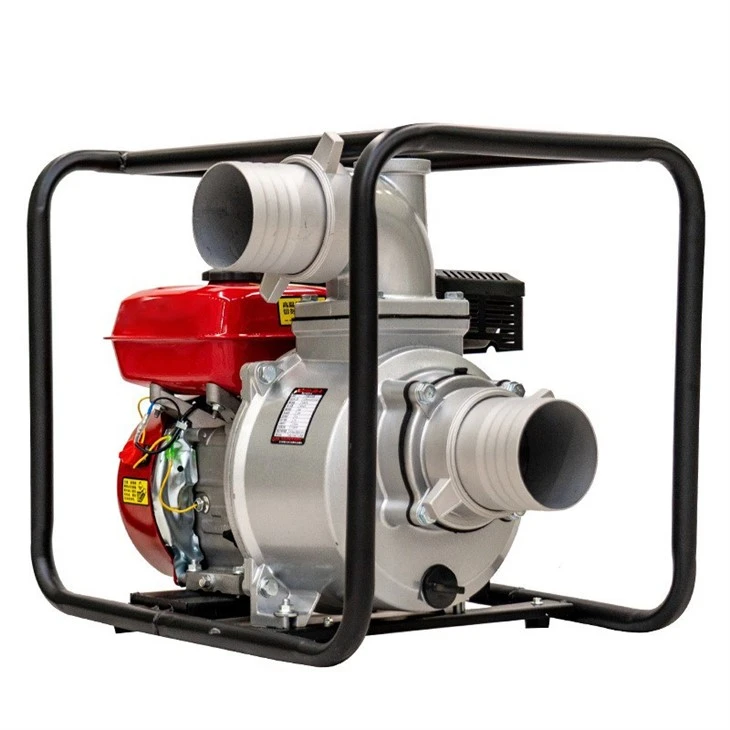

Our 3 Inch Portable Gasoline Powered Water Pump for Irrigation is a high-performance pump that is designed for large-scale irrigation and drainage applications. This pump can provide a maximum suction lift of up to 7 meters (23 feet) and a flow rate of up to 120 L/min (31.7 GPM). It is powered by a powerful gasoline engine, which provides reliable and efficient operation.
Choosing the Right Pump Based on Suction Capacity
When choosing a gasoline water pump, it is important to consider the suction capacity of the pump based on your specific needs. Here are some steps to help you choose the right pump:
Determine the Suction Lift
First, determine the vertical distance between the water source and the pump's inlet. This will help you determine the minimum suction lift that the pump needs to have. Keep in mind that the actual suction lift may be lower than the theoretical maximum due to factors such as atmospheric pressure and friction loss.
Calculate the Flow Rate
Next, calculate the volume of water that you need to pump per minute. This will depend on the application, such as the size of the area to be irrigated or the rate of water drainage. Make sure to choose a pump that can provide the required flow rate.
Consider Other Factors
In addition to suction lift and flow rate, consider other factors such as the power of the engine, the size and weight of the pump, and the presence of features like self-priming. These factors can affect the ease of use, portability, and overall performance of the pump.
Contact Us for Purchase and Consultation
If you are in the market for a gasoline water pump and need further assistance in choosing the right pump based on suction capacity or have any other questions, we are here to help. Our team of experts can provide you with detailed information about our products and help you make an informed decision.
Whether you are a farmer looking for an irrigation pump, a contractor in need of a drainage solution, or anyone else with a water pumping requirement, our range of pumps is designed to meet your needs. Don't hesitate to reach out to us to discuss your specific requirements and explore the best options for your situation.
References
- "Pump Handbook" by Igor J. Karassik, Joseph P. Messina, Paul Cooper, and Charles C. Heald.
- "Centrifugal Pumps: Design and Application" by Heinz P. Bloch and Fred K. Geitner.