

As a supplier of self-propelled lawn mowers, I often receive inquiries from customers about various aspects of these machines, and one question that comes up quite frequently is: "What is the recommended tire pressure for a self-propelled lawn mower?" In this blog post, I'll delve into this topic in detail to provide you with a comprehensive understanding.
Why Tire Pressure Matters
Before we discuss the recommended tire pressure, let's first understand why it is so important. Proper tire pressure is crucial for the optimal performance of your self-propelled lawn mower. It affects several key aspects of the mower's operation.
1. Maneuverability
Correct tire pressure ensures that the lawn mower can be easily maneuvered around your lawn. If the tires are under - inflated, the mower may become difficult to push or turn, as there is more resistance between the tires and the ground. On the other hand, over - inflated tires can make the mower bounce and be less stable during operation, which can also affect your ability to control it.
2. Cutting Quality
The tire pressure impacts the cutting height and the overall cutting quality. When the tires are at the right pressure, the mower deck remains at a consistent height above the ground, resulting in an even and clean cut. Under - inflated tires can cause the mower deck to tilt, leading to uneven grass cutting.
3. Tire Wear
Maintaining the proper tire pressure helps to extend the lifespan of the tires. Under - inflated tires can wear out more quickly on the edges, while over - inflated tires may wear out in the center. This not only increases the cost of tire replacement but also affects the performance of the mower.
Factors Affecting Recommended Tire Pressure
Several factors can influence the recommended tire pressure for a self - propelled lawn mower.
1. Mower Model
Different models of self - propelled lawn mowers have different tire sizes and weight distributions. For example, the Craftsman Store 163cc 22 - in Gas Self - propelled Lawn Mower and the 173cc 21 - in Gas Self - propelled Reel Lawn Mower may have different recommended tire pressures due to their unique designs and specifications.
2. Lawn Conditions
The type of lawn you are mowing also plays a role. If you have a soft, wet lawn, slightly lower tire pressure can provide better traction. However, on a hard, dry surface, higher tire pressure may be more appropriate to reduce rolling resistance.
3. Load
The weight of any additional attachments or the amount of grass being cut can affect the tire pressure requirements. If you are using a bagging attachment or mowing thick grass, the mower may need slightly higher tire pressure to maintain stability.
General Recommended Tire Pressure Ranges
While the specific recommended tire pressure can vary depending on the factors mentioned above, most self - propelled lawn mowers typically have a recommended tire pressure range between 10 and 20 psi (pounds per square inch).
For smaller, lightweight self - propelled lawn mowers, the recommended pressure is often around 10 - 12 psi. These mowers are usually more maneuverable and do not require as much pressure to support their weight.
Medium - sized self - propelled lawn mowers may have a recommended tire pressure of 12 - 15 psi. These mowers are more common for residential use and can handle a wider range of lawn conditions.
Larger, heavy - duty self - propelled lawn mowers, which are often used for commercial or large - scale residential lawns, may require a tire pressure of 15 - 20 psi. The higher pressure helps to support the additional weight of the mower and any attachments.
How to Check and Adjust Tire Pressure
Checking and adjusting the tire pressure of your self - propelled lawn mower is a relatively simple process.
1. Tools Needed
You will need a tire pressure gauge and an air compressor. Make sure the tire pressure gauge is accurate and suitable for measuring the low pressures typically required for lawn mower tires.
2. Checking the Pressure
First, remove the valve cap from the tire. Then, press the tire pressure gauge firmly onto the valve stem. You should hear a brief hiss of air as the gauge makes contact. Read the pressure on the gauge. Compare this reading with the recommended pressure for your mower, which can usually be found in the owner's manual or on a sticker located on the mower itself.
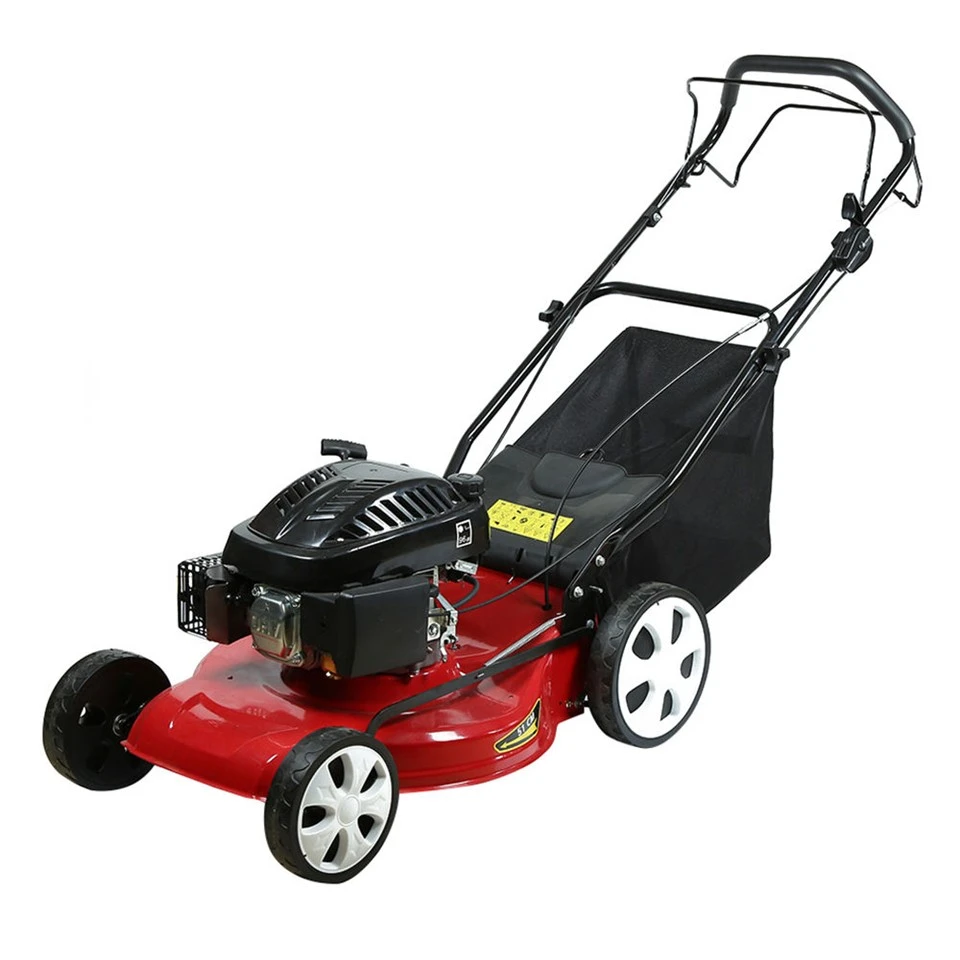
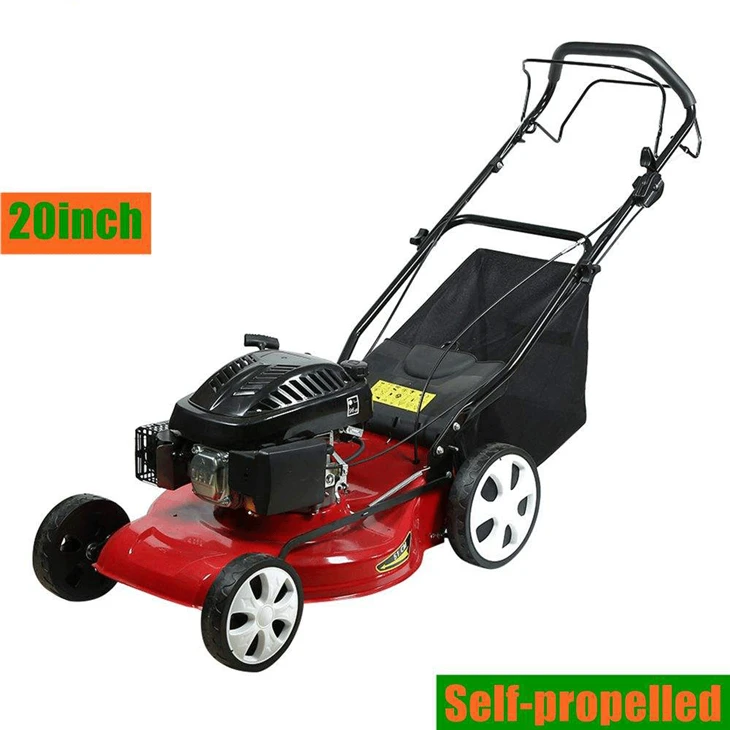
3. Adjusting the Pressure
If the pressure is too low, use the air compressor to add air to the tire. Add air in small increments and check the pressure frequently to avoid over - inflating the tire. If the pressure is too high, gently press the valve stem with a small object (such as the tip of a pen) to release some air. Again, check the pressure regularly until it reaches the recommended level.
Importance of Regular Checks
It is important to check the tire pressure of your self - propelled lawn mower regularly. A good rule of thumb is to check the tire pressure before each use, especially if you have not used the mower for a while. Temperature changes can also affect tire pressure, so it's a good idea to check the pressure more frequently during extreme weather conditions.
Conclusion
In conclusion, maintaining the proper tire pressure is essential for the optimal performance, cutting quality, and longevity of your self - propelled lawn mower. By understanding the factors that affect the recommended tire pressure and following the simple steps to check and adjust it, you can ensure that your mower operates smoothly and efficiently.
If you are in the market for a new self - propelled lawn mower or have any questions about tire pressure or other aspects of these machines, we are here to help. We are a leading supplier of high - quality self - propelled lawn mowers, and we offer a wide range of models to suit different needs and budgets. Contact us today to start a procurement discussion and find the perfect lawn mower for your lawn.
References
- Lawn Mower Owner's Manuals
- Industry Standards for Lawn Mower Tire Pressure