

As a supplier of gasoline generators, one of the most frequently asked questions I receive from customers is about the normal output voltage range of these generators. Understanding this range is crucial for ensuring that the electrical devices you connect to the generator are used safely and efficiently. In this blog post, I will delve into the details of the normal output voltage range of gasoline generators, factors that can affect it, and why it matters for your applications.
The Standard Output Voltage Range
The normal output voltage range of a gasoline generator typically depends on the region and the intended use. In most countries, including the United States, the standard household voltage is 120V or 240V. Gasoline generators designed for home use often provide an output voltage within this range. For instance, many small portable generators can output 120V, which is suitable for powering small appliances such as lamps, fans, and laptops.
On the other hand, larger gasoline generators, especially those used for more demanding applications like powering an entire home during a power outage or running heavy - duty equipment on a job site, may offer a 240V output. This higher voltage is necessary for devices such as electric stoves, air conditioners, and some power tools.
In Europe and many other parts of the world, the standard voltage is 230V. Gasoline generators sold in these regions are usually configured to provide an output voltage close to this value. For example, our 5KW 230V Portable Gasoline Generator Mini Small Petrol Generator Set is specifically designed to meet the 230V requirements of European customers.
Voltage Stability
While the nominal output voltage is important, voltage stability is equally crucial. A stable voltage ensures that your electrical devices operate properly and have a longer lifespan. Most high - quality gasoline generators are designed to maintain a relatively stable output voltage within a narrow range. For example, a generator with a rated output of 120V might be able to keep the voltage within ± 5% of the rated value, meaning it would fluctuate between 114V and 126V.
This stability is achieved through the use of voltage regulators. These regulators continuously monitor the output voltage and adjust the generator's internal components, such as the excitation system, to maintain a consistent voltage level. Without a good voltage regulator, the voltage could vary widely, which might damage sensitive electronic devices.
Factors Affecting Output Voltage
Several factors can affect the output voltage of a gasoline generator.
Load: The amount of electrical load connected to the generator plays a significant role. When you connect more devices (higher load) to the generator, the output voltage may drop slightly. This is because the generator has to work harder to supply the additional power. For example, if you start a large air conditioner while other appliances are already running on a small generator, you might notice a temporary dip in the voltage.
Engine Speed: The speed at which the generator's engine runs is directly related to the output frequency and voltage. Most generators are designed to run at a specific speed (e.g., 3600 RPM for a 60 - Hz generator in the US) to produce the correct voltage and frequency. If the engine speed fluctuates due to issues like a clogged air filter, low fuel level, or a malfunctioning governor, the output voltage will also be affected.
Temperature: Extreme temperatures can impact the performance of the generator's components, including the voltage regulator. In very cold weather, the battery may have reduced capacity, which can affect the starting and operation of the generator. In hot weather, the generator may overheat, causing the voltage regulator to work less efficiently and potentially leading to voltage instability.
Different Types of Gasoline Generators and Their Voltage Outputs
There are various types of gasoline generators available, each with different output voltage characteristics.

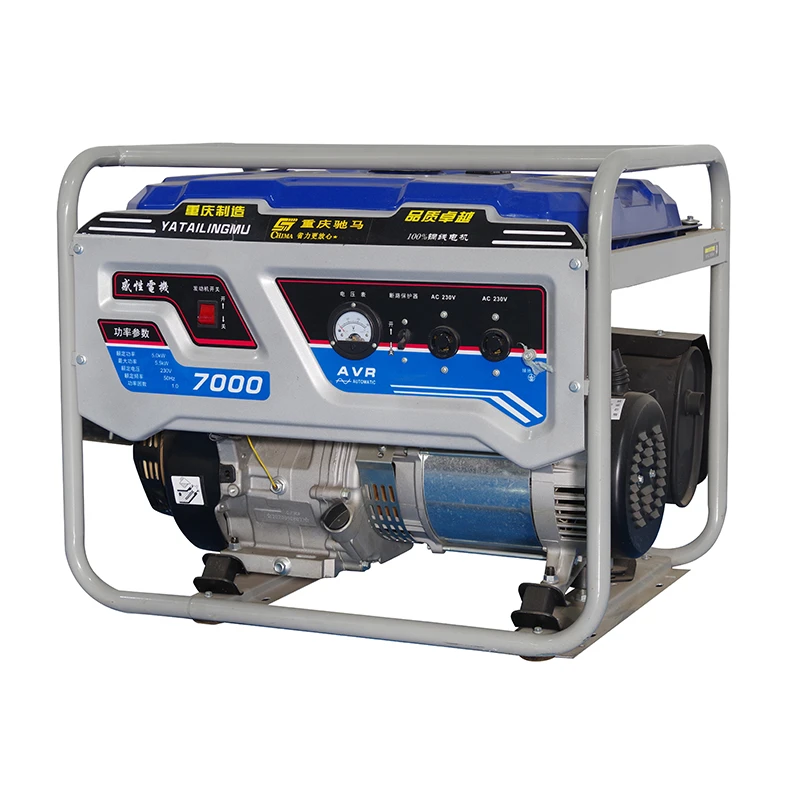
Portable Generators: These are small, lightweight generators that are easy to move around. They are commonly used for camping, tailgating, or providing temporary power during a short - term power outage. Portable generators usually have an output voltage of 120V or a combination of 120V and 240V. Our Gasoline Powered Home Standby Small Portable Generators are a great example of this type, offering flexibility in powering different types of devices.
Standby Generators: Standby generators are larger and are designed to automatically turn on when the main power supply fails. They are often installed permanently at a home or business. These generators can provide either 120V, 240V, or a combination of both, depending on the size and the specific requirements of the installation.
Inverter Generators: Inverter generators are known for their high - quality power output. They use advanced electronic circuitry to produce a very stable voltage and frequency. These generators are ideal for powering sensitive electronic devices such as laptops, smartphones, and televisions. Our Air Cooled 4 Stroke Small Electric Start Generator for Home Use 5000 Watt is an inverter generator that offers a stable 120V or 240V output, depending on the configuration.
Why the Output Voltage Range Matters
The output voltage range of a gasoline generator is not just a technical specification; it has a real - world impact on your ability to use the generator effectively.
Device Compatibility: Using a generator with an output voltage that is not compatible with your electrical devices can lead to serious problems. If the voltage is too low, the device may not work properly or may operate inefficiently. If the voltage is too high, it can damage the device's internal components.
Safety: Incorrect voltage can also pose a safety risk. Over - voltage can cause electrical fires, while under - voltage can lead to overheating of motors in appliances, which can also be a fire hazard.
Conclusion
In conclusion, understanding the normal output voltage range of a gasoline generator is essential for anyone considering purchasing one. Whether you need a small portable generator for occasional use or a large standby generator for your home or business, make sure to choose a generator with an output voltage that is suitable for your needs and the electrical devices you plan to connect.
As a leading supplier of gasoline generators, we offer a wide range of products with different output voltage options to meet the diverse needs of our customers. If you have any questions about the output voltage range of our generators or need help selecting the right generator for your application, please do not hesitate to contact us for a purchase negotiation. We are committed to providing you with the best - suited generator solutions and excellent customer service.
References
- Electrical Engineering Handbook, Third Edition.
- Generator Manufacturer's Manuals.