

When winter arrives, a reliable snow blower becomes an essential tool for many, especially those living in regions with heavy snowfall. As a supplier of two - stage snow blowers, I often get asked about various features and capabilities of our products. One question that frequently comes up is: What is the maximum speed of a self - propelled two - stage snow blower?
Understanding Two - Stage Snow Blowers
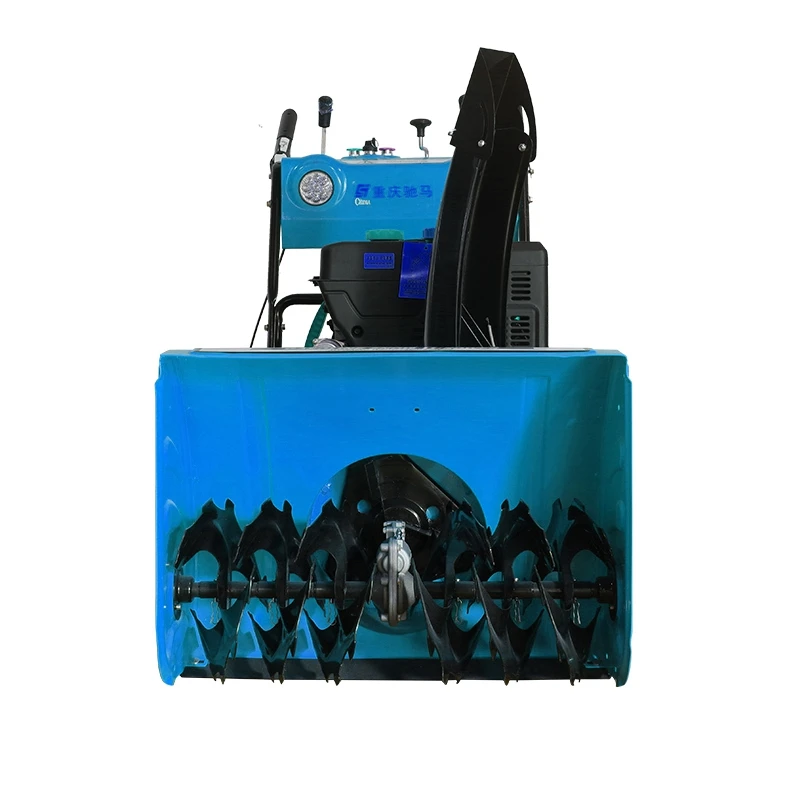
Before delving into the maximum speed, it's crucial to understand what a two - stage snow blower is. A two - stage snow blower operates with two distinct mechanisms. The first stage is the auger, which scoops up the snow from the ground and feeds it into the second stage. The second stage is the impeller, which throws the snow out through the chute. This dual - stage system allows for more efficient snow removal, especially when dealing with large amounts of snow, wet snow, or icy conditions.
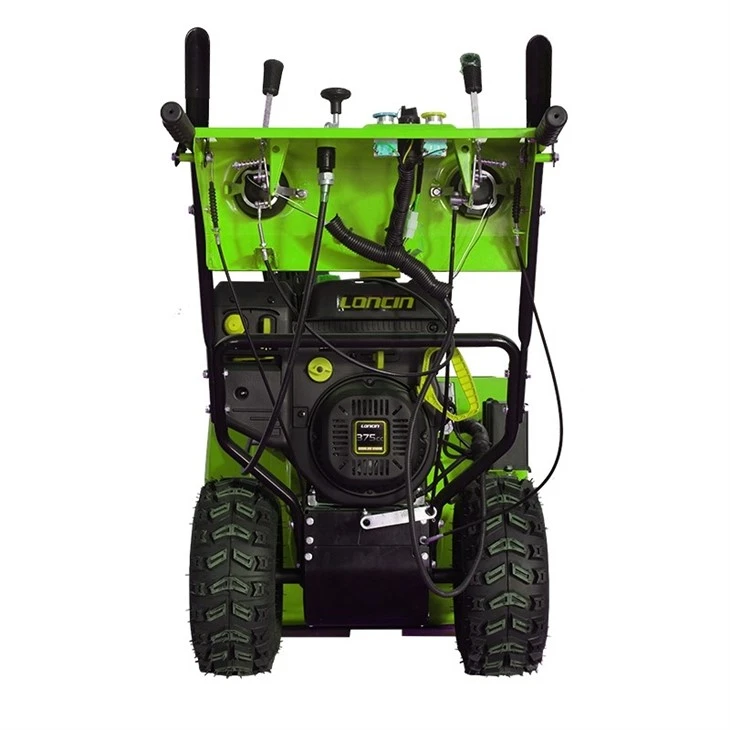
Self - propelled two - stage snow blowers take this a step further. They are equipped with a drive system that moves the snow blower forward, reducing the physical effort required from the operator. This is particularly useful when clearing large areas, such as driveways, parking lots, or sidewalks.
Factors Affecting the Maximum Speed
The maximum speed of a self - propelled two - stage snow blower is influenced by several factors:
Engine Power
The engine is the heart of the snow blower, and its power plays a significant role in determining the maximum speed. A more powerful engine can generate more torque, which is essential for moving the snow blower forward and operating the auger and impeller. Generally, snow blowers with higher - powered engines can achieve higher speeds. For example, a snow blower with a 208cc engine may be able to move faster than one with a 179cc engine under similar conditions. Our Craftsman Select 24 - in 208cc Two Stage Gas Snow Blower is powered by a robust 208cc engine, which provides sufficient power for efficient snow removal at a reasonable speed.
Terrain and Snow Conditions
The type of terrain and the condition of the snow also affect the maximum speed. On a flat, smooth surface, such as a well - maintained driveway, the snow blower can move more easily and potentially reach its maximum speed. However, if the terrain is uneven, has slopes, or is covered with thick, heavy snow, the speed will be reduced. Wet, heavy snow requires more power to move, and the snow blower may need to operate at a slower speed to ensure effective snow removal.
Drive System
The drive system of the self - propelled snow blower is another important factor. There are different types of drive systems, such as friction drive and hydrostatic drive. A hydrostatic drive system is generally more precise and can offer a wider range of speed settings. It allows the operator to adjust the speed smoothly, depending on the snow conditions and the terrain. Our 24 Inch Lightweight Two Stage Self Propelled Snow Blower features an advanced drive system that provides a good balance between speed and control.
Operator Comfort and Safety
While the snow blower may be capable of reaching a certain maximum speed, the operator's comfort and safety also need to be considered. Operating the snow blower at an extremely high speed may make it difficult to control, especially in challenging snow conditions. Therefore, most manufacturers design their snow blowers with a maximum speed that is both achievable and safe for the operator.
Typical Maximum Speeds
The maximum speed of self - propelled two - stage snow blowers can vary widely depending on the model and the factors mentioned above. On average, most self - propelled two - stage snow blowers have a maximum speed ranging from 2 to 4 miles per hour. Some high - end models may be able to reach speeds of up to 5 miles per hour.
It's important to note that these speeds are for the forward movement of the snow blower. The speed at which the snow is thrown out of the chute is a different measurement and is mainly determined by the power of the impeller.
Importance of Speed in Snow Removal
The speed of a self - propelled two - stage snow blower is an important consideration for many customers. A faster snow blower can clear larger areas in less time, which is especially beneficial for commercial users or those with large properties. However, speed is not the only factor to consider. The efficiency of snow removal, the ability to handle different snow conditions, and the overall reliability of the snow blower are also crucial.
For example, our Best 24 Inch 2 Stage Compact Gas Snow Blower for Gravel Driveway is designed to provide a good balance between speed and performance. It can move at a reasonable speed while effectively removing snow from gravel driveways without causing damage to the surface.
Conclusion
In conclusion, the maximum speed of a self - propelled two - stage snow blower is influenced by engine power, terrain and snow conditions, drive system, and operator comfort and safety. While the average maximum speed ranges from 2 to 4 miles per hour, some high - end models can reach up to 5 miles per hour.
As a supplier of two - stage snow blowers, we offer a wide range of models to meet the diverse needs of our customers. Whether you need a snow blower for a small driveway or a large commercial area, we have the right product for you.
If you are interested in learning more about our two - stage snow blowers or would like to discuss your specific snow removal needs, please feel free to contact us. We are always ready to assist you in finding the perfect snow blower for your situation.
References
- Snow Blower Manufacturer Manuals
- Industry Reports on Snow Blower Performance
- Technical Specifications from Snow Blower Suppliers