

Grounding is a fundamental safety measure in electrical systems, and when it comes to gasoline generators, its importance cannot be overstated. As a trusted gasoline generator supplier, I've witnessed firsthand the critical role grounding plays in ensuring the safe and efficient operation of these essential power sources. In this blog, I'll delve into the significance of grounding a gasoline generator, exploring the reasons behind it and why it's a non - negotiable aspect of generator use.
Protection Against Electrical Shock
One of the primary reasons for grounding a gasoline generator is to protect users from electrical shock. Electrical shock occurs when a person comes into contact with an electrical current. In a generator, electrical faults can cause the metal parts of the generator, such as the frame or casing, to become energized. Without proper grounding, a person touching these parts could complete an electrical circuit, resulting in a potentially life - threatening shock.
When a generator is grounded, it provides a low - resistance path for electrical current to flow into the earth. In the event of a fault, the excess current will follow this path rather than passing through a person. For example, if a wire inside the generator shorts and touches the metal frame, the grounding system will quickly divert the current to the ground, reducing the risk of shock to anyone who might touch the frame. This is especially important in outdoor settings or in areas where the generator may be exposed to moisture, as water can increase the conductivity of the human body and make electrical shock more likely.
Equipment Protection
Grounding also plays a crucial role in protecting the generator itself. Electrical surges and faults can cause significant damage to the internal components of a gasoline generator. These surges can be caused by lightning strikes, power grid fluctuations, or internal electrical malfunctions. When a generator is properly grounded, it helps to dissipate these surges safely into the ground.
For instance, a lightning strike near the generator can induce a large electrical current in the generator's electrical system. Without a proper grounding system, this current can damage sensitive components such as the alternator, voltage regulator, or control circuits. By providing a direct path to the ground, the grounding system can prevent these components from being overloaded and damaged, extending the lifespan of the generator and reducing the need for costly repairs.
Prevention of Fires
Electrical fires are a serious hazard, and grounding can help prevent them. Faulty electrical connections or short circuits can generate heat, which can ignite flammable materials in and around the generator. Gasoline generators, being powered by a highly flammable fuel, are particularly vulnerable to fires.
A proper grounding system can detect and divert electrical faults before they have a chance to generate enough heat to start a fire. When an electrical fault occurs, the grounding system will cause a circuit breaker or fuse to trip, cutting off the electrical supply. This rapid response can prevent the build - up of heat and the subsequent ignition of nearby combustible materials. For example, if a loose wire inside the generator starts to spark, the grounding system will sense the abnormal current and trigger the protective device, shutting down the power and eliminating the fire risk.
Compliance with Safety Standards
In addition to the safety benefits, grounding a gasoline generator is often required by safety standards and regulations. These standards are in place to ensure the safe use of electrical equipment, including generators. Failure to comply with these standards can result in legal issues and may also void the generator's warranty.
Most countries have specific electrical codes that govern the installation and use of generators. These codes typically specify the requirements for grounding, including the type of grounding system to be used, the size of the grounding conductors, and the method of connection. By following these standards, users can ensure that their generators are installed and operated safely and legally.
How to Ground a Gasoline Generator
Grounding a gasoline generator is a relatively straightforward process, but it must be done correctly to be effective. First, you'll need a grounding rod, which is typically made of copper - clad steel. The grounding rod should be driven into the ground to a depth of at least 8 feet. Next, a grounding conductor, usually a copper wire, is connected from the generator's frame to the grounding rod.
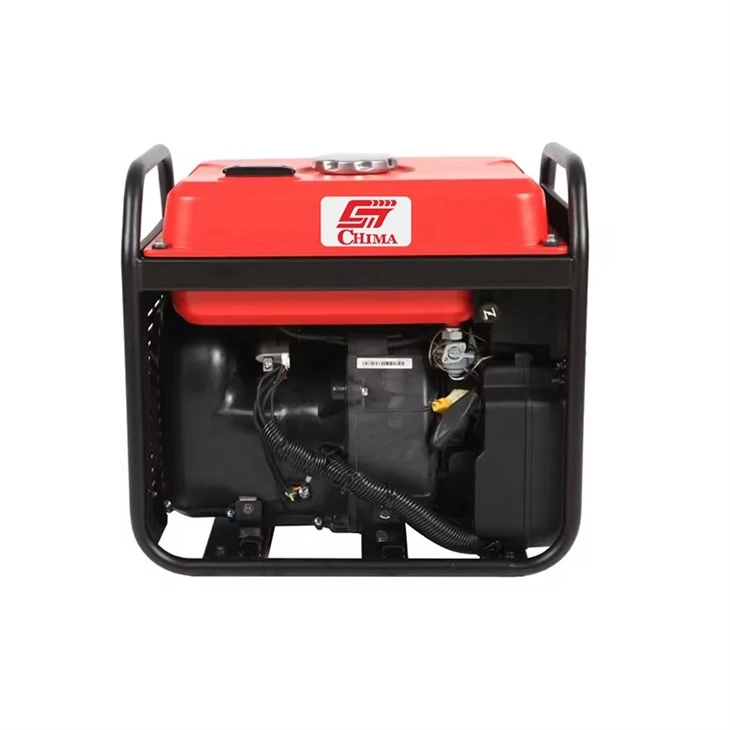

It's important to ensure that all connections are tight and secure. Loose connections can increase the resistance in the grounding system, reducing its effectiveness. Additionally, the grounding conductor should be of an appropriate size to handle the maximum fault current that could occur.
Our Gasoline Generator Offerings
As a gasoline generator supplier, we offer a wide range of high - quality generators to meet different needs. Our 3kw 60HZ Portable Small Natural Gas Generator for Home is perfect for home use during power outages. It's compact, easy to operate, and provides reliable power.
For those in areas with a 50HZ power grid, our 50HZ Gasoline Generator is an excellent choice. It's designed to provide stable power and is built to last.
Our Gasoline Powered Home Standby Small Portable Generators are ideal for both home and small business applications. They offer the convenience of portability and the reliability of a standby power source.
Conclusion
In conclusion, grounding a gasoline generator is of utmost importance for the safety of users, the protection of equipment, the prevention of fires, and compliance with safety standards. As a gasoline generator supplier, we are committed to providing our customers with high - quality generators and ensuring that they understand the importance of proper grounding.
If you're in the market for a gasoline generator or have any questions about grounding or generator safety, we encourage you to contact us for more information. Our team of experts is ready to assist you in finding the right generator for your needs and ensuring that it is installed and operated safely.
References
- National Electrical Code (NEC)
- Underwriters Laboratories (UL) Standards for Generators
- Electrical Safety Foundation International (ESFI) Publications