

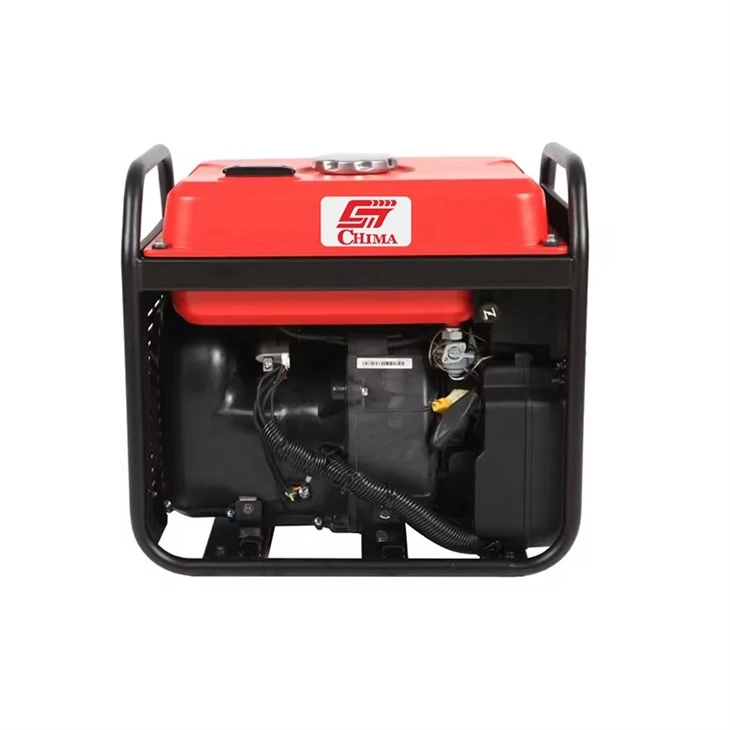
A gasoline generator is a reliable power source that has been widely used in various scenarios, from providing emergency power for homes to supporting construction sites. At the heart of a gasoline generator lies its fuel delivery system, which plays a crucial role in ensuring the generator operates efficiently and effectively. As a professional gasoline generator supplier, we are committed to providing high - quality products and in - depth knowledge about the fuel delivery system.
Components of the Fuel Delivery System
The fuel delivery system of a gasoline generator typically consists of several key components, each with its own specific function.
Fuel Tank
The fuel tank is the storage unit for gasoline. It is designed to hold a sufficient amount of fuel to allow the generator to run for a certain period without the need for frequent refueling. The size of the fuel tank varies depending on the power and intended usage of the generator. For example, our Air Cooled 4 Stroke Small Electric Start Generator for Home Use 5000 Watt is equipped with a fuel tank sized to meet the power requirements of home use, providing a reasonable runtime. The fuel tank should be made of durable materials to prevent leaks and corrosion, and it usually has a vent to allow air to enter as fuel is consumed, maintaining proper pressure.
Fuel Line
The fuel line is a conduit that transports gasoline from the fuel tank to the engine. It is typically made of flexible, high - quality rubber or plastic materials that can withstand the pressure and chemical properties of gasoline. The fuel line must be properly installed and secured to prevent kinks or leaks. A damaged fuel line can lead to a loss of fuel pressure, which may result in poor engine performance or even engine failure.
Fuel Filter
The fuel filter is an essential component that removes impurities and contaminants from the gasoline before it reaches the engine. Over time, dirt, rust, and other debris can accumulate in the fuel tank, and if these particles enter the engine, they can cause damage to the fuel injectors, carburetor, or other engine components. The fuel filter traps these contaminants, ensuring that only clean fuel enters the engine. Regular replacement of the fuel filter is necessary to maintain the efficiency and longevity of the generator.
Fuel Pump
In some gasoline generators, especially larger ones, a fuel pump is used to move the gasoline from the fuel tank to the engine. The fuel pump creates the necessary pressure to ensure a consistent flow of fuel. There are different types of fuel pumps, including mechanical and electric pumps. Mechanical fuel pumps are driven by the engine's motion, while electric fuel pumps are powered by the generator's electrical system. The choice of fuel pump depends on the design and power requirements of the generator.
Carburetor or Fuel Injector
The carburetor or fuel injector is responsible for mixing the gasoline with air in the correct proportions for combustion in the engine.
- Carburetor: Traditional gasoline generators often use a carburetor. The carburetor works based on the principle of vacuum. As the engine draws in air, a low - pressure area is created in the carburetor, which forces gasoline to be drawn from the fuel bowl and mixed with the incoming air. The carburetor has adjustable jets that can be tuned to control the amount of fuel and air mixture, depending on the engine's operating conditions. However, carburetors may require more maintenance and can be less precise in fuel metering compared to fuel injectors.
- Fuel Injector: Modern gasoline generators are increasingly using fuel injectors. Fuel injectors are electronically controlled devices that spray a fine mist of gasoline directly into the engine's combustion chamber or intake manifold. They offer more precise control over the fuel - air mixture, resulting in better fuel efficiency, lower emissions, and improved engine performance. Our 3kw 60HZ Portable Small Natural Gas Generator for Home may be equipped with advanced fuel injection technology to ensure optimal operation.
How the Fuel Delivery System Works
The working process of the fuel delivery system can be described in the following steps:
- Fuel Storage: Gasoline is stored in the fuel tank. The fuel tank provides a reservoir for the generator to draw fuel from during operation.
- Fuel Intake: When the generator is started, the fuel pump (if present) or the vacuum created by the engine's intake stroke begins to draw gasoline from the fuel tank through the fuel line. The fuel first passes through the fuel filter, where impurities are removed.
- Fuel - Air Mixing: The clean gasoline then reaches the carburetor or fuel injector. In a carburetor, the gasoline is mixed with incoming air based on the engine's vacuum and the settings of the jets. In a fuel - injected system, the electronic control unit (ECU) calculates the optimal amount of fuel to inject based on factors such as engine temperature, load, and speed. The fuel is then sprayed into the combustion chamber or intake manifold as a fine mist.
- Combustion: The fuel - air mixture enters the engine's combustion chamber, where it is ignited by the spark plug. The combustion of the mixture creates a high - pressure gas that drives the piston, converting chemical energy into mechanical energy.
- Exhaust: After combustion, the exhaust gases are expelled from the engine through the exhaust system.
Importance of a Well - Functioning Fuel Delivery System
A properly functioning fuel delivery system is essential for the reliable operation of a gasoline generator.
Optimal Performance
A well - tuned fuel delivery system ensures that the engine receives the correct amount of fuel and air mixture for efficient combustion. This leads to smooth engine operation, stable power output, and optimal fuel efficiency. If the fuel - air mixture is too rich (too much fuel), the engine may run poorly, consume more fuel, and produce excessive emissions. On the other hand, a lean mixture (too little fuel) can cause the engine to overheat and may even lead to engine damage.
Reliability
A reliable fuel delivery system reduces the risk of engine failure and breakdowns. By preventing contaminants from entering the engine and ensuring a consistent fuel supply, the fuel delivery system helps to extend the lifespan of the generator. This is particularly important for standby generators, which need to be ready to provide power at a moment's notice in case of an emergency.
Low Emissions
A precise fuel delivery system, especially one with fuel injection technology, can help reduce the generator's emissions. By accurately controlling the fuel - air mixture, the engine burns fuel more completely, resulting in lower levels of harmful pollutants such as carbon monoxide (CO), hydrocarbons (HC), and nitrogen oxides (NOx). This is not only beneficial for the environment but also ensures compliance with local emission regulations.

Maintenance and Troubleshooting of the Fuel Delivery System
Regular maintenance of the fuel delivery system is crucial to keep the generator in good working condition.
Maintenance
- Fuel Tank: Periodically clean the fuel tank to remove any sediment or debris. Check for leaks and ensure the fuel cap is tightly sealed to prevent evaporation and contamination.
- Fuel Line: Inspect the fuel line for cracks, leaks, or kinks. Replace any damaged fuel lines immediately.
- Fuel Filter: Replace the fuel filter according to the manufacturer's recommendations. A clogged fuel filter can restrict fuel flow and cause engine problems.
- Carburetor or Fuel Injector: For carburetors, clean the jets and passages regularly to prevent blockages. In fuel - injected systems, ensure the injectors are clean and functioning properly. Some modern generators have self - diagnostic systems that can detect issues with the fuel injectors.
Troubleshooting
- Engine Won't Start: If the generator won't start, check the fuel level in the tank, the fuel line for blockages or leaks, and the condition of the fuel filter. A clogged fuel filter or a leaky fuel line can prevent fuel from reaching the engine.
- Poor Engine Performance: If the engine is running rough, lacks power, or has excessive emissions, it may be due to a problem with the fuel - air mixture. Check the carburetor or fuel injector settings and clean or replace them if necessary.
- High Fuel Consumption: High fuel consumption can be caused by a rich fuel - air mixture, a malfunctioning fuel pump, or a problem with the engine's ignition system. Have the generator inspected by a professional to diagnose and fix the issue.
As a leading gasoline generator supplier, we offer a wide range of high - quality Gasoline Powered Home Standby Small Portable Generators with advanced fuel delivery systems. Our products are designed to provide reliable power, excellent performance, and low emissions. If you are interested in purchasing a gasoline generator or have any questions about the fuel delivery system, please feel free to contact us for further discussion and procurement negotiation. We are committed to providing you with the best solutions and services.
References
- Heywood, J. B. (1988). Internal Combustion Engine Fundamentals. McGraw - Hill.
- Bosch. (2007). Automotive Handbook. Robert Bosch GmbH.