

When it comes to choosing a gasoline generator, one of the most fundamental decisions you'll face is whether to opt for a portable or a stationary model. As a seasoned gasoline generator supplier, I've seen firsthand the different needs and preferences of our customers, and I'm here to shed light on the key differences between these two types of generators.

Portability and Mobility
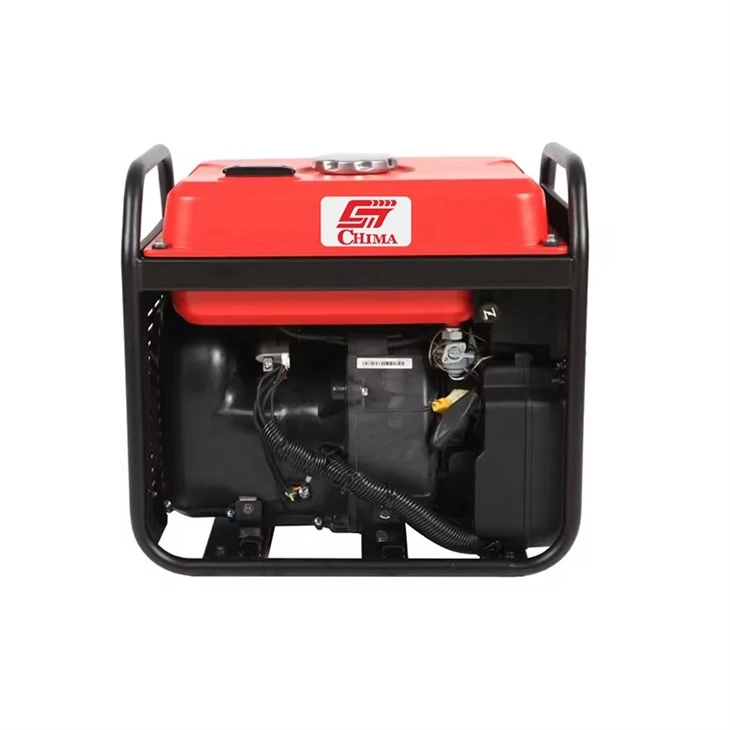
The most obvious difference between portable and stationary gasoline generators lies in their mobility. Portable generators are designed with mobility in mind. They are typically equipped with wheels and handles, making them easy to move from one location to another. This feature is particularly useful for individuals who need power on the go, such as campers, contractors on job sites, or homeowners who want to use the generator in different areas of their property.
For example, if you're planning a camping trip, a portable generator can provide the necessary power for your lights, fans, and other small appliances. You can easily load it into your vehicle and take it with you wherever you go. On the other hand, stationary generators are meant to be installed in a fixed location, usually outside your home or business. They are often connected directly to your electrical system and are not intended to be moved once installed.
Power Output
Another significant difference is the power output. Stationary generators generally have a higher power output compared to portable generators. This is because they are designed to provide backup power for an entire home or business during a power outage. They can run multiple appliances and systems simultaneously, such as air conditioners, refrigerators, and heating systems.
Portable generators, while still capable of providing a decent amount of power, are typically more suitable for powering smaller appliances and tools. For instance, a 3kw 60HZ Portable Small Natural Gas Generator for Home can power essential items like lights, a TV, and a few small electronics. However, if you need to run larger appliances or multiple devices at once, you may need to consider a more powerful stationary generator.
Installation and Setup
The installation process for portable and stationary generators also varies greatly. Portable generators are relatively easy to set up and use. You simply need to fill the fuel tank, connect your appliances using extension cords, and start the generator. They do not require any permanent installation or professional assistance in most cases.
In contrast, stationary generators require a more complex installation process. They need to be professionally installed and connected to your electrical system, often through a transfer switch. This ensures that the generator can safely and automatically provide power to your home or business when the main power supply fails. Additionally, stationary generators may need to be installed on a concrete pad or other stable surface to ensure proper ventilation and safety.
Fuel Efficiency and Runtime
Fuel efficiency and runtime are important factors to consider when choosing a generator. Portable generators are generally less fuel - efficient than stationary generators. This is because they are often smaller and have less advanced engine technology. However, they are also more convenient for short - term use. You can easily refuel a portable generator when the fuel runs out.
Stationary generators, on the other hand, are designed for longer - term use and are more fuel - efficient. They can be connected to a larger fuel source, such as a propane tank or a natural gas line, which allows them to run for extended periods without the need for frequent refueling. For example, an Air Cooled 4 Stroke Small Electric Start Generator for Home Use 5000 Watt can provide a good balance of power and runtime, but a stationary generator may be able to run continuously for days or even weeks during a power outage.
Noise Level
Noise level is another aspect where portable and stationary generators differ. Portable generators tend to be noisier because they are often smaller and have less advanced noise - reduction technology. The noise can be a significant issue, especially if you are using the generator in a residential area or a quiet environment.
Stationary generators, on the other hand, are usually installed outside and are often equipped with noise - reducing enclosures. This helps to minimize the noise impact on your home or business. Additionally, many stationary generators are designed to operate at a lower noise level to comply with local noise regulations.
Cost
Cost is an important consideration for most customers. Portable generators are generally more affordable than stationary generators. They have a lower upfront cost and do not require expensive installation or professional setup. This makes them a popular choice for individuals on a budget or those who only need occasional power.
Stationary generators, however, have a higher upfront cost due to their larger size, higher power output, and the cost of installation. But they can provide long - term value by ensuring continuous power supply during power outages and protecting your home or business from the damage caused by power disruptions.
Maintenance
Maintenance requirements also vary between portable and stationary generators. Portable generators are relatively easy to maintain. You need to regularly check the oil level, clean or replace the air filter, and keep the fuel tank clean. Most portable generators have simple engines that are easy to access and service.
Stationary generators require more comprehensive maintenance. They need to be inspected and serviced regularly by a professional to ensure their proper functioning. This includes checking the electrical connections, the fuel system, and the engine components. Regular maintenance is crucial for stationary generators to ensure they are ready to provide power when needed.
Applications
The applications of portable and stationary generators are also different. Portable generators are ideal for a variety of outdoor activities and temporary power needs. They can be used for camping, tailgating, powering small construction tools on job sites, or providing emergency power during short - term outages.
Stationary generators are mainly used for backup power in homes and businesses. They are essential for ensuring that critical systems, such as medical equipment, security systems, and heating and cooling systems, continue to operate during a power outage. A 50HZ Gasoline Generator can be a great option for specific applications that require a certain frequency.
In conclusion, the choice between a portable and a stationary gasoline generator depends on your specific needs, budget, and usage requirements. If you need a generator for occasional, mobile use, a portable generator may be the best choice. However, if you require a reliable, long - term backup power solution for your home or business, a stationary generator is likely the better option.
If you're still unsure which type of generator is right for you, or if you have any questions about our products, I encourage you to reach out to us. Our team of experts is always ready to assist you in making the best decision for your power needs. Whether you're looking for a portable generator for your next camping trip or a stationary generator to protect your home during power outages, we have a wide range of high - quality gasoline generators to choose from. Contact us today to start the procurement process and find the perfect generator for you.
References
- "Generator Handbook: Portable and Stationary Generators." By Generator Experts.
- "Power Generation Basics: Understanding Portable and Stationary Generators." Published by Power Systems Magazine.