

Hey there, folks! As a supplier of single stage snow blowers, I've seen firsthand how these machines can be a game - changer during the winter months. But using a single stage snow blower effectively isn't just about firing it up and pushing it around. There are some best techniques that can make your snow - clearing experience a whole lot easier and more efficient.
Getting to Know Your Single Stage Snow Blower
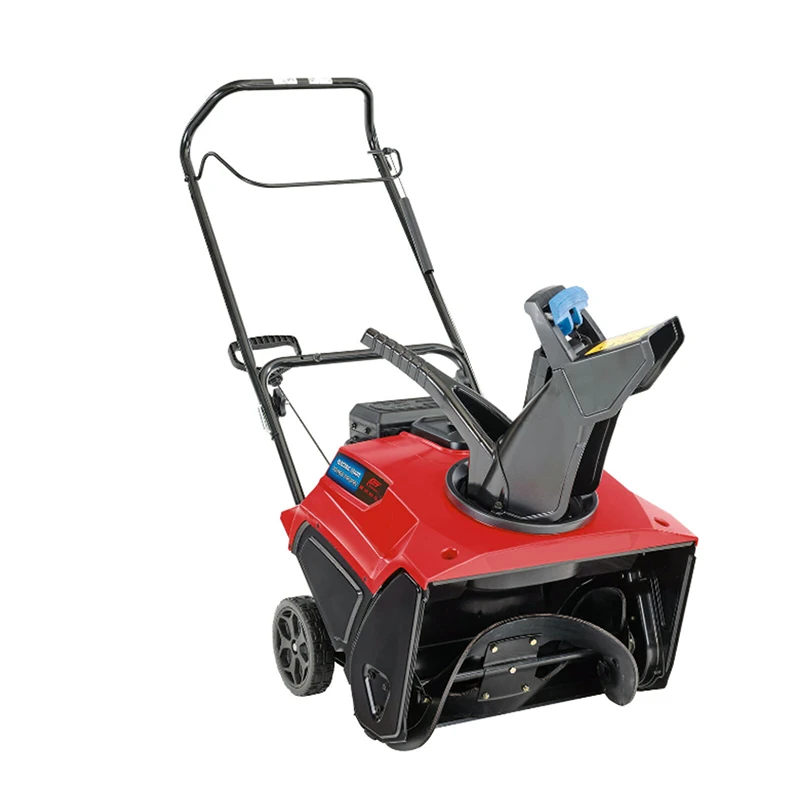
Before we dive into the techniques, let's quickly go over what a single stage snow blower is. It's a nifty piece of equipment that has a single auger that both scoops up the snow and throws it out of the discharge chute. They're great for light to moderate snowfalls and smaller driveways or sidewalks.
Now, there are different models out there. For example, the Certified Small 21 Inch Gas Single Stage Snow Blower is a compact and powerful option, perfect for residential areas. Then the Select 21 - in 212cc Single Stage Gas Craftsman Snowblower offers a bit more power and is a favorite among many homeowners. And if you're looking for something more heavy - duty for commercial use, the Commercial Single Stage 21 Inch Gas Powered Snow Blower is the way to go.
Pre - Use Preparation
Read the Manual
I know, I know, reading the manual is probably the last thing you want to do. But it's super important. The manual will tell you how to properly start, operate, and maintain your snow blower. It'll also give you safety tips that could save you from some serious injuries.
Check the Fuel and Oil
Before you start up your snow blower, make sure it has enough fuel. If it's a gas - powered model, use fresh, clean gasoline. And don't forget to check the oil level. Running your snow blower with low oil can damage the engine.
Inspect the Machine
Give your snow blower a quick once - over. Check the auger for any damage or debris. Make sure the discharge chute is clear and can rotate freely. Also, check the belts and other moving parts to ensure they're in good condition.
Starting the Snow Blower
Cold Start
If your snow blower has been sitting idle for a while, it's a cold start. First, set the choke to the "closed" position. Then, pull the starter cord slowly until you feel some resistance, and then give it a quick, strong pull. Once the engine starts, gradually open the choke as the engine warms up.

Warm Start
If the snow blower has been running recently, it's a warm start. You can usually skip the choke and just pull the starter cord.
Operating the Snow Blower
Clear in the Right Direction
When you're clearing snow, it's best to start at the edge of the area you want to clear and work your way towards the center. This way, you're not pushing the snow back into the area you've already cleared.
Keep a Steady Pace
Don't rush. Walk at a steady pace while operating the snow blower. If you go too fast, the auger won't be able to pick up all the snow, and you'll end up with a messy job.
Adjust the Discharge Chute
The discharge chute allows you to control where the snow is thrown. You can adjust it left or right and up or down. Make sure to direct the snow away from areas where you don't want it, like your neighbor's driveway or your flower beds.
Use the Right Technique for Different Snow Types
- Light, Powdery Snow: This type of snow is easy to clear. You can usually set the snow blower to a higher speed and let the auger do its job.
- Heavy, Wet Snow: Heavy, wet snow is more difficult to move. You may need to slow down and take smaller passes. You might also want to use a snow blower with a more powerful engine for this type of snow.
Safety First
Wear the Right Gear
Wear warm, waterproof clothing, gloves, and boots. Also, wear eye protection to keep snow and debris out of your eyes. And don't forget to wear ear protection, as snow blowers can be very noisy.
Keep Children and Pets Away
Make sure children and pets are inside or at a safe distance when you're using the snow blower. The moving parts and flying snow can be dangerous.
Be Careful on Slopes
If you're clearing snow on a slope, be extra careful. Walk slowly and keep your balance. If the slope is too steep, it might be safer to use a different method to clear the snow.
Maintenance
Clean the Machine After Use
After you're done clearing snow, turn off the snow blower and let it cool down. Then, use a brush or a cloth to clean off any snow and debris from the machine. Make sure to clean the auger and the discharge chute thoroughly.
Store it Properly
If you're not going to use the snow blower for a while, store it in a dry place. Drain the fuel and oil if it's going to be stored for an extended period. This will prevent the fuel from going bad and causing damage to the engine.
Troubleshooting
Engine Won't Start
If the engine won't start, check the fuel level and make sure the spark plug is working. You might also need to clean the carburetor if it's clogged.
Snow Isn't Being Thrown Far Enough
This could be due to a dull auger or a clogged discharge chute. Check the auger for damage and clean the discharge chute.
Machine Is Vibrating Excessively
Excessive vibration could be a sign of a loose part or a problem with the engine. Stop using the snow blower immediately and check for any loose bolts or other issues.
Conclusion
Using a single stage snow blower can be a breeze if you follow these techniques. Whether you're using a Certified Small 21 Inch Gas Single Stage Snow Blower, a Select 21 - in 212cc Single Stage Gas Craftsman Snowblower, or the Commercial Single Stage 21 Inch Gas Powered Snow Blower, proper operation and maintenance are key.
If you're in the market for a single stage snow blower or have any questions about the ones we offer, feel free to reach out for a procurement discussion. We're here to help you find the perfect snow blower for your needs.
References
- Manufacturer's manuals for single stage snow blowers
- Personal experience as a single stage snow blower supplier