

Yo, folks! As a supplier of gasoline water pumps, I often get asked about the temperature limits for these bad boys. It's a crucial question, especially when you're out there in the field, relying on your pump to get the job done. So, let's dive right in and talk about what temperatures your gasoline water pump can handle.
First off, let's understand why temperature matters. Gasoline water pumps are complex machines with a lot of moving parts. Extreme temperatures, whether too hot or too cold, can have a significant impact on their performance and lifespan. When it's too hot, the engine can overheat, the fuel can vaporize prematurely, and the lubricants can break down. On the flip side, in cold temperatures, the fuel can thicken, the battery can lose its charge, and the engine can be difficult to start.
Let's start with the upper temperature limit. Most gasoline water pumps are designed to operate in temperatures up to around 104°F (40°C). This is the maximum temperature at which the engine can function efficiently without risking damage. When the temperature rises above this point, the engine has to work harder to cool itself, which can lead to increased wear and tear. For example, the cooling system may not be able to dissipate heat fast enough, causing the engine to overheat. This can result in reduced power output, increased fuel consumption, and even engine failure if left unchecked.
If you're working in an environment where the temperature regularly exceeds 104°F, you need to take some precautions. Make sure the pump is well-ventilated and has plenty of space around it to allow for proper air circulation. You may also want to consider using a coolant additive to help keep the engine temperature down. And of course, don't forget to check the oil level regularly, as high temperatures can cause the oil to break down more quickly.
Now, let's talk about the lower temperature limit. Gasoline water pumps can typically operate in temperatures as low as 32°F (0°C). However, starting the engine in cold weather can be a challenge. The fuel can thicken, making it difficult for the engine to draw it into the combustion chamber. The battery also loses its charge more quickly in cold temperatures, which can make it harder to turn over the engine.
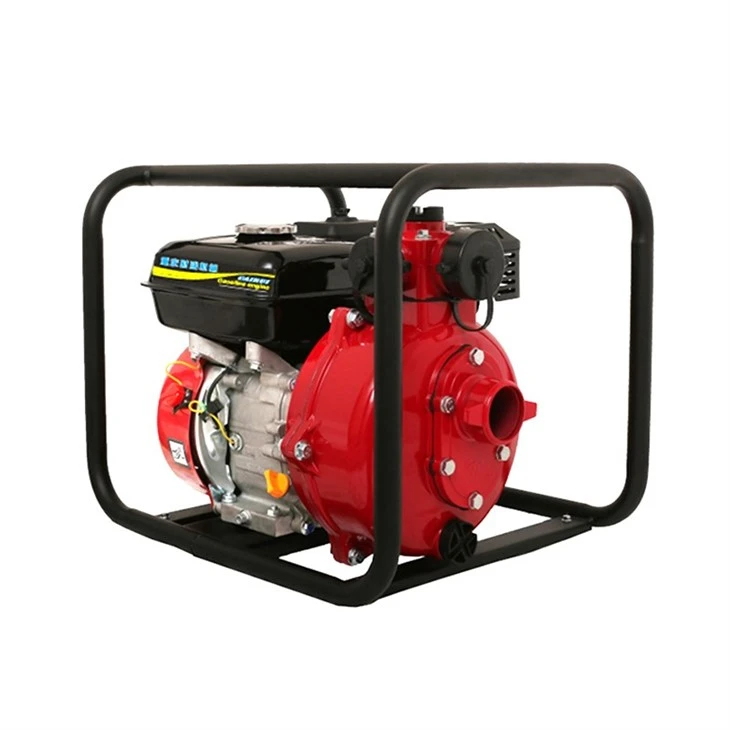

To start your pump in cold weather, you can take a few steps. First, make sure the fuel is fresh and free of contaminants. You may also want to use a fuel additive designed for cold weather to help prevent the fuel from thickening. Keep the battery charged and warm, and consider using a block heater to preheat the engine. If you're having trouble starting the engine, you can try giving it a little throttle to help it turn over.
It's important to note that these temperature limits are general guidelines, and the actual performance of your gasoline water pump may vary depending on the model and make. Some pumps are designed to operate in more extreme temperatures than others. For example, our 152F Single Four Stroke Gas Water Pumps for Irrigation are built to withstand a wide range of temperatures, making them ideal for use in various environments.
Another factor to consider is the humidity. High humidity can also affect the performance of your gasoline water pump. In humid conditions, the air is saturated with water vapor, which can make it harder for the engine to breathe. This can lead to reduced power output and increased fuel consumption. To combat this, make sure the air intake is clean and free of debris, and consider using a air filter with a high filtration efficiency.
Now, let's talk about some specific applications and how temperature limits can affect them. If you're using a gasoline water pump for construction site work, such as dewatering or concrete mixing, you need to be aware of the temperature conditions on the site. Construction sites can be hot and dusty, which can put extra stress on the pump. Our Petrol Water Pump for Construction Site is designed to handle these tough conditions, but you still need to take precautions to ensure its longevity.
On the other hand, if you're using a gasoline water pump for irrigation, you may be working in a more temperate environment. However, you still need to consider the temperature limits, especially during the summer months. Our Gasoline Powered High Pressure 2 Inch Water Pump is a great choice for irrigation, but make sure you operate it within the recommended temperature range to avoid any issues.
In conclusion, understanding the temperature limits of your gasoline water pump is essential for ensuring its optimal performance and longevity. By following the guidelines I've outlined above and taking the necessary precautions, you can keep your pump running smoothly in a variety of temperature conditions.
If you're in the market for a gasoline water pump or have any questions about temperature limits or other aspects of pump operation, don't hesitate to reach out. We're here to help you find the right pump for your needs and provide you with the support you need to keep it running at its best. Let's have a chat and see how we can work together to get your water pumping needs met.
References:
- Manufacturer's manuals for gasoline water pumps
- Industry standards and best practices for pump operation in different temperatures