

As a supplier of two stage snow blowers, I've witnessed firsthand the importance of a well - functioning belt in these powerful machines. The belt in a two stage snow blower plays a crucial role in transferring power from the engine to the auger and impeller, enabling the snow blower to efficiently scoop up and throw snow. Over time, however, the belt can wear out, and it's essential for users to recognize the signs that a new belt might be needed.
1. Visible Wear and Tear
One of the most obvious signs that your two stage snow blower needs a new belt is visible wear and tear on the belt itself. Inspect the belt regularly for cracks, fraying, or glazing. Cracks can start small but will gradually grow, weakening the belt's structure. Fraying at the edges is another indication that the belt is deteriorating. Glazing occurs when the belt surface becomes smooth and shiny due to excessive heat and friction. This reduces the belt's grip on the pulleys, leading to slippage.
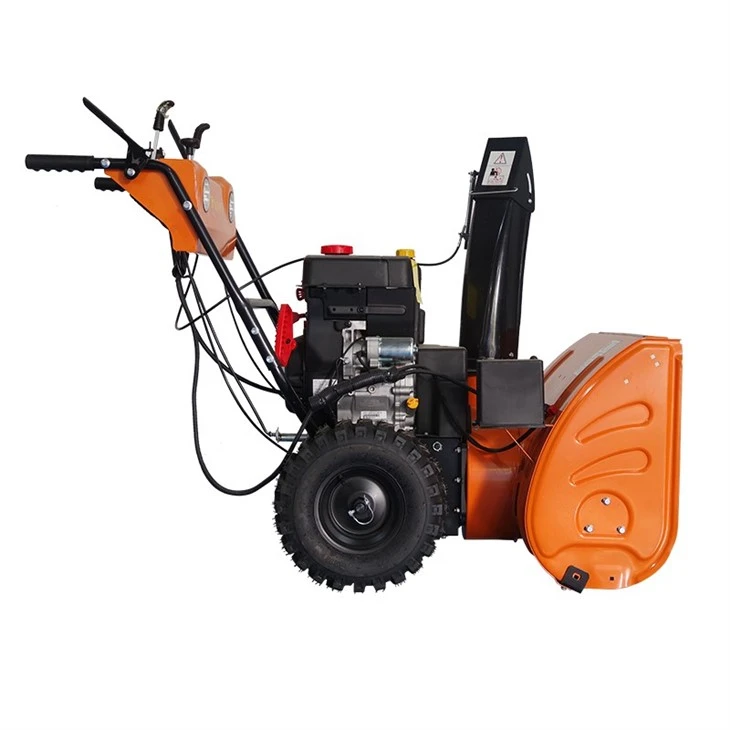
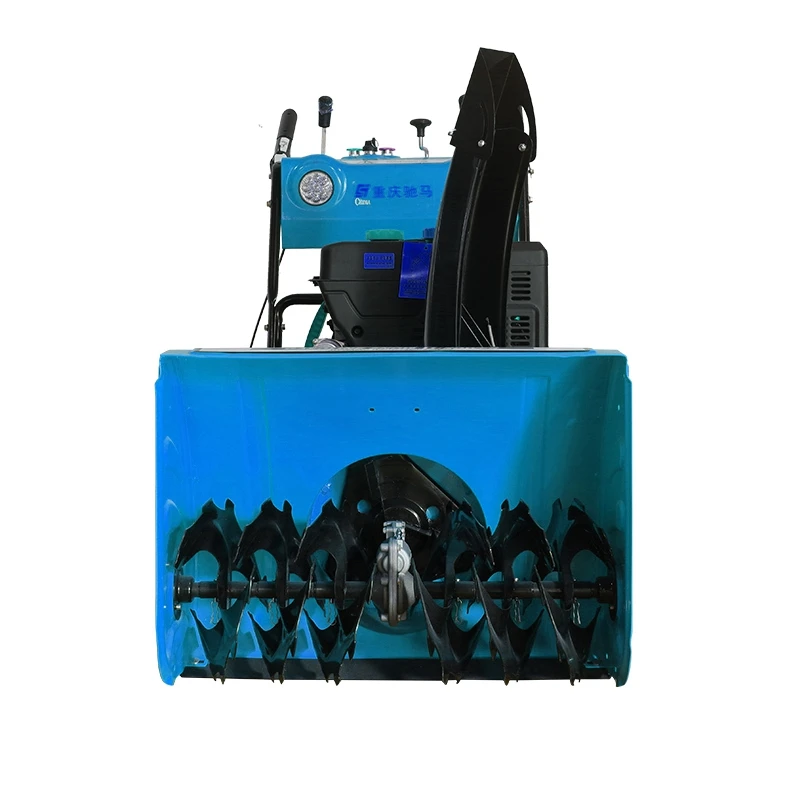
If you notice any of these signs, it's a clear signal that the belt is reaching the end of its lifespan. Continuing to use a worn - out belt can cause further damage to the snow blower, such as overheating of the engine due to inefficient power transfer. For instance, in our 24 Inch Lightweight Two Stage Self Propelled Snow Blower, a well - maintained belt is crucial for its smooth operation.
2. Slipping Belt
A slipping belt is a common problem that often indicates it's time for a replacement. You might notice that the auger or impeller doesn't spin as fast as it should, or they stop spinning altogether while the engine is running. This is usually due to the belt losing its grip on the pulleys.
There are several reasons why a belt might slip. It could be because of the aforementioned wear and tear, or it could be due to improper tension. If the belt is too loose, it won't be able to transfer power effectively. On the other hand, if it's too tight, it can cause excessive stress on the belt and other components.
In our experience, users of the Best 24 Inch 2 Stage Compact Gas Snow Blower for Gravel Driveway sometimes face belt - slipping issues if the belt isn't properly maintained. Regularly checking the belt tension and looking for signs of slipping can save you from more significant problems down the road.
3. Reduced Snow - Throwing Performance
A two stage snow blower is designed to throw snow a considerable distance. If you notice that your snow blower is no longer throwing snow as far or as forcefully as it used to, it could be a sign of a worn - out belt.
The belt is responsible for powering the impeller, which is what throws the snow out of the chute. When the belt is in poor condition, the impeller won't receive enough power to spin at the optimal speed. As a result, the snow won't be thrown as far, and the overall efficiency of the snow blower will be reduced.
Our High Quality 24 - in 252cc Power Two Stage Gas Snow Blower is engineered to provide excellent snow - throwing performance. But if the belt isn't in good shape, even the most powerful machine won't work as effectively.
4. Unusual Noises
Unusual noises coming from your two stage snow blower can also be a sign of a belt problem. A squealing noise is often an indication that the belt is slipping on the pulleys. This could be due to a lack of tension or because the belt surface has become glazed.
A rattling or banging noise might suggest that the belt is loose and vibrating against other components. In some cases, the noise could be caused by a broken belt that is hitting the inside of the snow blower housing.
If you hear any strange noises while operating your snow blower, it's important to stop the machine immediately and inspect the belt. Ignoring these noises can lead to more severe damage to the snow blower.
5. Difficulty in Starting or Stopping the Auger and Impeller
If you find it difficult to start or stop the auger and impeller, it could be related to the belt. A worn - out belt might not engage or disengage properly, causing problems with the operation of these critical components.
When you turn on the snow blower, the belt should transfer power from the engine to the auger and impeller smoothly. If the belt is damaged, it might not be able to make that connection effectively, resulting in a delay or failure to start the auger and impeller. Similarly, when you try to stop them, a faulty belt might not disengage properly, causing the auger and impeller to keep running.
Importance of Regular Maintenance
Regular maintenance is key to ensuring the longevity of your two stage snow blower's belt. This includes checking the belt for wear and tear, adjusting the tension as needed, and keeping the pulleys clean. By following the manufacturer's maintenance schedule, you can catch belt problems early and avoid costly repairs.
As a supplier, we understand the importance of providing high - quality belts and ensuring that our customers know how to maintain them. We offer a range of replacement belts that are designed to fit our two stage snow blowers perfectly. Our belts are made from durable materials that can withstand the harsh conditions of snow removal.
Conclusion
Recognizing the signs that your two stage snow blower needs a new belt is essential for maintaining the performance and efficiency of your machine. Whether it's visible wear and tear, slipping, reduced snow - throwing performance, unusual noises, or difficulty in starting and stopping the auger and impeller, these indicators should not be ignored.
If you're experiencing any of these issues with your two stage snow blower, don't hesitate to reach out to us. We're here to help you find the right replacement belt and provide you with the support you need to keep your snow blower in top condition. Contact us to discuss your procurement needs and let's work together to ensure you have a reliable snow - clearing solution for the winter months.
References
- Snow Blower Maintenance Guides from Industry Manufacturers
- Technical Manuals for Two Stage Snow Blowers