

Hey there! As a supplier of gasoline generators, I've had my fair share of questions about using ethanol - blended gasoline in these machines. So, I thought I'd share my insights on the effects of using ethanol - blended gasoline in a gasoline generator.
What is Ethanol - Blended Gasoline?
Ethanol - blended gasoline, commonly known as E10, E15, or E85, is a mixture of gasoline and ethanol. E10 contains 10% ethanol and 90% gasoline, E15 has 15% ethanol, and E85 has up to 85% ethanol. Ethanol is an alcohol fuel made from renewable resources like corn, sugarcane, or other plant materials. It's often promoted as a more environmentally friendly alternative to pure gasoline because it can reduce greenhouse gas emissions.
Positive Effects of Using Ethanol - Blended Gasoline
1. Environmental Benefits
One of the biggest advantages of using ethanol - blended gasoline in a gasoline generator is its positive impact on the environment. Ethanol is a renewable fuel source, which means it can help reduce our dependence on fossil fuels. When burned, ethanol releases fewer carbon monoxide and particulate emissions compared to pure gasoline. This can lead to cleaner air, especially in areas where generators are used frequently, like construction sites or during power outages.
2. Higher Octane Rating
Ethanol has a higher octane rating than gasoline. Octane is a measure of a fuel's ability to resist "knocking" or "pinging" during combustion. A higher octane rating can improve the performance of your gasoline generator. It allows the engine to run more smoothly and efficiently, potentially reducing wear and tear on the engine over time. This can extend the lifespan of your generator and save you money on maintenance and repairs.
3. Cost - Savings
In some regions, ethanol - blended gasoline can be cheaper than pure gasoline. This is because ethanol is often subsidized by the government to promote its use as a renewable fuel. If you're using your gasoline generator frequently, the cost savings from using ethanol - blended gasoline can add up over time.
Negative Effects of Using Ethanol - Blended Gasoline
1. Reduced Fuel Efficiency
One of the main drawbacks of using ethanol - blended gasoline is its lower energy content compared to pure gasoline. Ethanol contains less energy per gallon than gasoline, which means your generator will consume more fuel to produce the same amount of power. This can result in reduced fuel efficiency and increased operating costs in the long run.
2. Corrosion and Damage to Engine Components
Ethanol is a solvent, which means it can dissolve certain types of rubber, plastic, and metal components in your generator. Over time, this can lead to corrosion and damage to the fuel system, including the fuel lines, carburetor, and fuel tank. If you're using a generator that's not designed to run on ethanol - blended gasoline, you may experience leaks, clogs, or other performance issues.
3. Water Absorption
Ethanol has a high affinity for water. It can absorb moisture from the air, which can lead to the formation of water in the fuel system. Water in the fuel can cause problems such as corrosion, rust, and poor combustion. If the water content in the fuel is high enough, it can even cause the engine to stall.
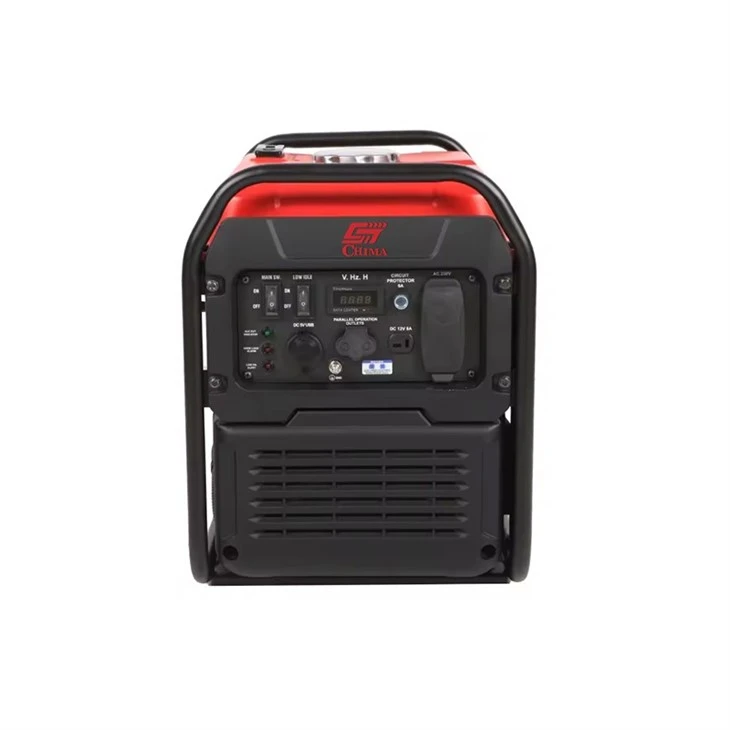

Compatibility of Gasoline Generators with Ethanol - Blended Gasoline
Not all gasoline generators are designed to run on ethanol - blended gasoline. Before using ethanol - blended gasoline in your generator, you should check the manufacturer's specifications. Some newer generators are designed to be "flex - fuel" compatible, which means they can run on a variety of ethanol - gasoline blends. However, older generators may not be able to handle high - ethanol blends.
If your generator is not compatible with ethanol - blended gasoline, you may need to make some modifications to the fuel system. This can include replacing rubber and plastic components with ethanol - resistant materials. It's also a good idea to use a fuel stabilizer to prevent corrosion and water absorption.
Tips for Using Ethanol - Blended Gasoline in a Gasoline Generator
1. Check the Fuel Blend
Make sure you know the ethanol content of the fuel you're using. Most gasoline generators are designed to run on E10 (10% ethanol) without any problems. However, if you're using a higher - ethanol blend, you may need to take additional precautions.
2. Use a Fuel Stabilizer
A fuel stabilizer can help prevent corrosion and water absorption in the fuel system. It can also extend the shelf life of the fuel, which is especially important if you're not using your generator frequently.
3. Keep the Fuel System Clean
Regularly clean the fuel tank, fuel lines, and carburetor to prevent clogs and other performance issues. If you notice any signs of corrosion or damage, replace the affected components immediately.
4. Store the Generator Properly
If you're not going to use your generator for an extended period of time, make sure you drain the fuel system completely. This will prevent the ethanol from absorbing water and causing damage to the engine.
Our Gasoline Generators
At our company, we offer a wide range of gasoline generators that are designed to meet the needs of different customers. Whether you need a small portable generator for home use or a larger generator for commercial applications, we've got you covered.
Check out our 3kw 60HZ Portable Small Natural Gas Generator for Home. It's perfect for powering essential appliances during a power outage. We also have the Air Cooled 4 Stroke Small Electric Start Generator for Home Use 5000 Watt, which is easy to start and provides reliable power. And if you need a generator for a specific frequency, our 50HZ Gasoline Generator is a great option.
Conclusion
Using ethanol - blended gasoline in a gasoline generator has both positive and negative effects. While it offers environmental benefits, higher octane ratings, and potential cost savings, it also has some drawbacks such as reduced fuel efficiency and potential damage to engine components. Before using ethanol - blended gasoline in your generator, make sure you check the manufacturer's specifications and take the necessary precautions.
If you're interested in purchasing a gasoline generator or have any questions about using ethanol - blended gasoline, feel free to reach out to us. We're here to help you make the right choice for your power needs.
References
- U.S. Department of Energy, "Ethanol Fuel Basics"
- Generator Manufacturers' Manuals
- Various Industry Reports on Ethanol - Blended Gasoline and Generator Performance