

Inverter generators have gained significant popularity in recent years due to their portability, quiet operation, and clean power output. As a supplier of inverter generators, I've witnessed firsthand the growing demand for these units. However, like any product, inverter generators come with their own set of disadvantages. In this blog post, I'll delve into some of the drawbacks of inverter generators to provide a balanced view for potential buyers.
Higher Initial Cost
One of the most significant disadvantages of inverter generators is their higher initial cost compared to conventional generators. Inverter technology is more advanced and complex, which drives up the manufacturing cost. This cost is then passed on to the consumer. For example, a basic conventional generator with a similar power output might cost significantly less than an inverter generator.
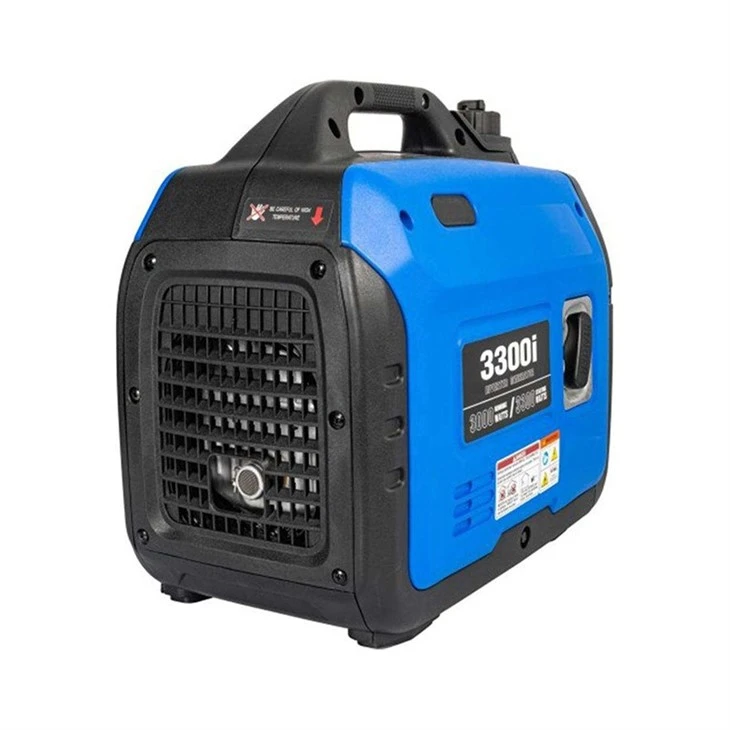
A 3000-watt conventional generator could be found for a few hundred dollars, while a 149CC 3000 Watt Best Silent Inverter Generator for Home Use would likely cost much more. The additional expense can be a deterrent for budget-conscious consumers who are looking for a simple and affordable power solution. However, it's important to note that the long-term benefits of an inverter generator, such as fuel efficiency and clean power, may offset the higher upfront cost.
Limited Power Output
Inverter generators typically have a lower power output compared to conventional generators of the same size. This limitation is due to the design and technology used in inverter generators. While they are sufficient for powering small appliances, electronics, and tools, they may not be suitable for high-power applications.
For instance, if you need to power large appliances like air conditioners, electric heaters, or power tools with high wattage requirements, an inverter generator may struggle to provide enough power. In such cases, you may need to use multiple inverter generators in parallel or opt for a larger conventional generator. The 3kva Portable Super Quiet Inverter Generator for Camping is great for camping and powering small devices, but it may not be able to handle the power demands of a large home during a power outage.
Complexity and Maintenance
Inverter generators are more complex than conventional generators, which can make them more difficult to maintain. The advanced electronics and control systems in inverter generators require specialized knowledge and skills for troubleshooting and repair. If something goes wrong with an inverter generator, it may be necessary to take it to a professional technician, which can be costly and time-consuming.
Additionally, the components in inverter generators are more sensitive to heat, moisture, and dust. This means that they need to be stored and used in a clean and dry environment to prevent damage. Regular maintenance, such as cleaning the air filter, changing the oil, and checking the spark plug, is also crucial to ensure the proper functioning of the generator. Failure to perform regular maintenance can lead to reduced performance and a shorter lifespan of the generator.
Fuel Efficiency at High Loads
While inverter generators are known for their fuel efficiency, this advantage may not hold true when operating at high loads. Inverter generators are designed to adjust their engine speed based on the power demand. At low loads, the engine runs at a lower speed, which reduces fuel consumption. However, when the load increases, the engine needs to work harder, and the fuel efficiency may decrease.
In some cases, the fuel consumption of an inverter generator at high loads can be comparable to that of a conventional generator. This means that if you need to power high-power appliances or tools for an extended period, the fuel cost may be higher than expected. It's important to consider your power requirements and usage patterns when choosing an inverter generator to ensure that you get the best fuel efficiency for your needs.
Noise at High Loads
Although inverter generators are generally quieter than conventional generators, they can still produce a significant amount of noise when operating at high loads. The engine needs to work harder to provide the necessary power, which can result in increased noise levels. While the noise level of an inverter generator is typically lower than that of a conventional generator, it may still be a nuisance, especially in quiet environments.
If you plan to use an inverter generator in a residential area or a campsite where noise restrictions apply, it's important to choose a model with a low noise rating. Some inverter generators are designed to be ultra-quiet, but they may come at a higher cost. It's also a good idea to place the generator at a safe distance from your living or sleeping area to minimize the noise impact.
Environmental Impact
Inverter generators, like all gasoline-powered generators, produce emissions that can have a negative impact on the environment. The combustion of gasoline releases carbon monoxide, nitrogen oxides, and particulate matter into the air, which can contribute to air pollution and smog. While inverter generators are generally more fuel-efficient than conventional generators, they still produce emissions that can be harmful to human health and the environment.
To reduce the environmental impact of using an inverter generator, it's important to choose a model that meets the latest emissions standards. Some inverter generators are designed to be more environmentally friendly, with features such as catalytic converters and advanced engine management systems. Additionally, it's important to use the generator in a well-ventilated area to prevent the buildup of carbon monoxide.
Conclusion
Inverter generators offer many advantages, such as portability, quiet operation, and clean power output. However, they also come with their own set of disadvantages, including higher initial cost, limited power output, complexity and maintenance, fuel efficiency at high loads, noise at high loads, and environmental impact. When considering purchasing an inverter generator, it's important to weigh the pros and cons and choose a model that best suits your needs and budget.
If you're still interested in exploring our range of Portable Inverter Generators, we're here to help. Our team of experts can provide you with more information about our products and assist you in making the right choice. Whether you need a generator for camping, home backup, or other applications, we have a solution for you. Contact us to start a procurement discussion and find the perfect inverter generator for your needs.
References
- "Generator Buying Guide." Consumer Reports.
- "Inverter Generator Basics." Power Equipment Direct.
- "Advantages and Disadvantages of Inverter Generators." The Spruce.