

Self-propelled lawn mowers are a popular choice for homeowners and professional landscapers alike, offering convenience and efficiency in maintaining lawns. However, like any mechanical equipment, they are prone to several common problems that can affect their performance and longevity. As a supplier of self-propelled lawn mowers, I have encountered these issues frequently and understand the importance of addressing them promptly. In this blog, I will discuss some of the most prevalent problems with self-propelled lawn mowers and provide insights on how to prevent and resolve them.
Engine Starting Problems
One of the most common issues with self-propelled lawn mowers is difficulty starting the engine. This can be frustrating, especially when you're eager to get your lawn maintenance done. Several factors can contribute to starting problems, including a clogged fuel filter, stale fuel, a dirty spark plug, or a faulty ignition system.
A clogged fuel filter restricts the flow of fuel to the engine, preventing it from starting properly. Over time, dirt and debris can accumulate in the fuel filter, reducing its effectiveness. To prevent this, it's essential to replace the fuel filter regularly according to the manufacturer's recommendations.
Stale fuel is another common culprit. Gasoline can break down over time, especially if it contains ethanol, which can attract moisture and cause corrosion in the fuel system. Using fresh fuel and adding a fuel stabilizer can help prevent these issues.
A dirty or worn spark plug can also cause starting problems. The spark plug is responsible for igniting the fuel-air mixture in the engine's combustion chamber. If the spark plug is dirty or worn, it may not produce a strong enough spark to ignite the mixture. Cleaning or replacing the spark plug at regular intervals can solve this problem.
Faulty ignition systems, such as a bad ignition coil or a malfunctioning starter motor, can also prevent the engine from starting. If you suspect an issue with the ignition system, it's best to have a professional mechanic diagnose and repair it.
Poor Cutting Performance
Another common problem with self-propelled lawn mowers is poor cutting performance. This can manifest as uneven cutting, missed patches, or a rough finish on the lawn. Several factors can contribute to this issue, including dull blades, improper blade adjustment, and a clogged cutting deck.
Dull blades are one of the most common causes of poor cutting performance. Over time, the blades of a lawn mower can become dull from regular use, making it difficult to cut through grass cleanly. Sharpening or replacing the blades regularly is essential to maintain optimal cutting performance.
Improper blade adjustment can also affect cutting performance. If the blades are not adjusted correctly, they may not cut the grass evenly, resulting in an uneven lawn. Refer to the manufacturer's instructions for proper blade adjustment and ensure that the blades are level and set at the correct height.
A clogged cutting deck can also cause poor cutting performance. Grass clippings, leaves, and other debris can accumulate in the cutting deck, blocking the blades and preventing them from spinning freely. Regularly cleaning the cutting deck can help prevent this issue.
Self-Propulsion Issues
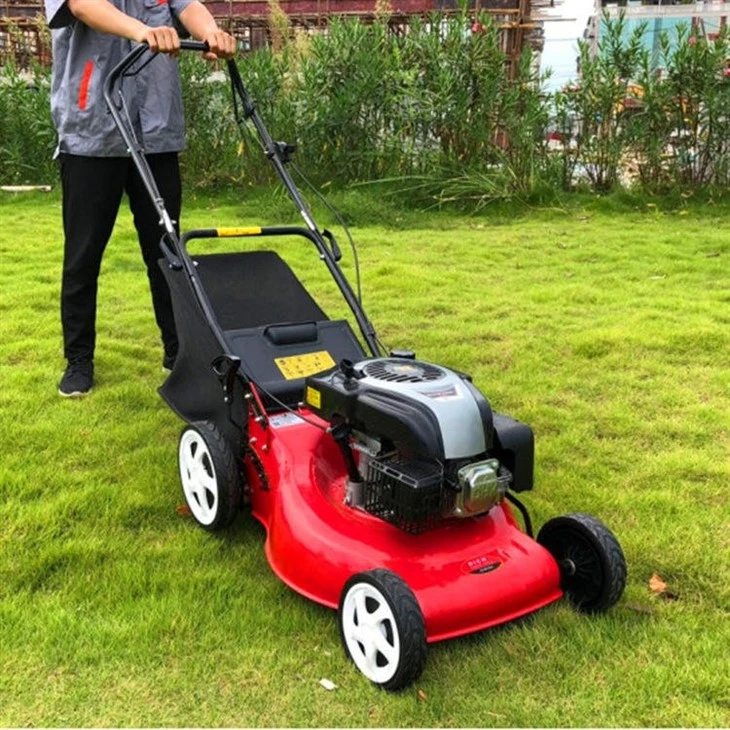
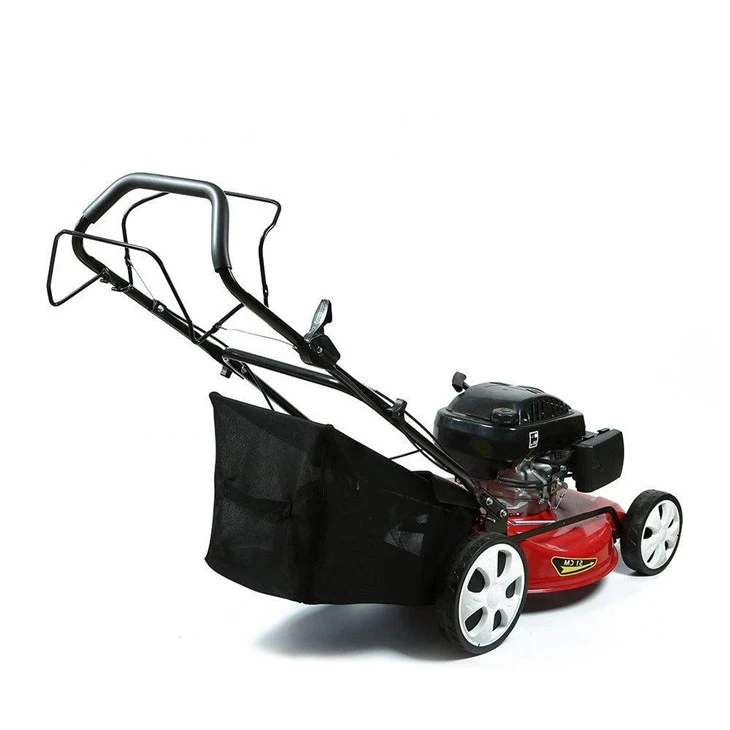
Self-propelled lawn mowers rely on a drive system to move forward, and problems with this system can make the mower difficult to operate. Common self-propulsion issues include a lack of power, difficulty engaging the drive, and uneven movement.
A lack of power in the self-propulsion system can be caused by several factors, such as a worn drive belt, a faulty transmission, or low hydraulic fluid (in the case of hydraulic drive systems). Inspecting and replacing the drive belt regularly can help prevent this issue. If the problem persists, it may be necessary to have the transmission or hydraulic system inspected by a professional.
Difficulty engaging the drive can be frustrating and may indicate a problem with the drive control mechanism. This could be due to a loose or damaged cable, a worn clutch, or a malfunctioning lever. Checking and adjusting the drive control mechanism can often resolve this issue.
Uneven movement in the self-propulsion system can make the mower difficult to steer and control. This can be caused by uneven tire pressure, worn tires, or a problem with the drive system. Checking the tire pressure regularly and replacing worn tires can help ensure smooth and even movement.
Fuel System Problems
The fuel system of a self-propelled lawn mower is crucial for its proper operation, and problems with this system can lead to starting issues, poor performance, and even engine damage. Common fuel system problems include fuel leaks, clogged fuel lines, and a malfunctioning carburetor.
Fuel leaks can be a serious safety hazard and should be addressed immediately. A fuel leak can be caused by a damaged fuel line, a loose fuel cap, or a faulty fuel pump. Inspecting the fuel system regularly for signs of leaks and replacing any damaged components can help prevent this issue.
Clogged fuel lines can restrict the flow of fuel to the engine, causing starting problems and poor performance. Using a fuel line cleaner or replacing the fuel lines can help resolve this issue.
A malfunctioning carburetor can also cause fuel system problems. The carburetor is responsible for mixing the fuel and air in the correct proportions for combustion. If the carburetor is dirty or worn, it may not function properly, resulting in poor engine performance. Cleaning or rebuilding the carburetor can often solve this problem.
Maintenance and Care
Proper maintenance and care are essential to prevent and resolve common problems with self-propelled lawn mowers. Regularly servicing the mower according to the manufacturer's recommendations can help keep it in good working condition and extend its lifespan.
Some basic maintenance tasks include changing the oil, replacing the air filter, checking the tire pressure, and lubricating moving parts. These tasks can help prevent wear and tear on the mower's components and ensure optimal performance.
In addition to regular maintenance, it's also important to store the mower properly during the off-season. This includes draining the fuel, cleaning the mower, and storing it in a dry, protected area.
Conclusion
Self-propelled lawn mowers are a valuable tool for maintaining a beautiful lawn, but they are not without their problems. By being aware of the common issues discussed in this blog and taking proactive steps to prevent and resolve them, you can ensure that your lawn mower performs at its best and lasts for many years.
If you're in the market for a new self-propelled lawn mower, we offer a wide range of high-quality models to suit your needs. Check out our Craftsman Store 163cc 22-in Gas Self-propelled Lawn Mower and 173cc 21-in Gas Self-propelled Reel Lawn Mower for reliable performance and excellent cutting results.
If you have any questions or would like to discuss your lawn mower needs, please don't hesitate to contact us. We're here to help you find the perfect lawn mower for your lawn and provide you with the support and advice you need to keep it running smoothly.
References
- Lawn Mower Maintenance Guide, Various Manufacturers' Manuals
- Small Engine Repair Handbook, Popular Mechanics