

As a seasoned supplier of gasoline generators, I've witnessed firsthand the numerous benefits these machines offer. They're reliable sources of power for homes during outages, indispensable for outdoor events, and a mainstay on construction sites. However, like any mechanical device, gasoline generators are not without their issues. In this blog post, I'll delve into the common problems associated with gasoline generators and share some insights on how to address them.
1. Starting Problems
One of the most frequent complaints we hear from customers is difficulty starting their gasoline generators. This can be incredibly frustrating, especially when you need power urgently. There are several potential causes for starting problems:
Fuel - Related Issues
- Stale Fuel: Gasoline has a limited shelf life. Over time, it can break down, form varnish, and clog the fuel system. If your generator has been sitting idle for an extended period, the fuel may have gone bad. To avoid this, it's advisable to use fuel stabilizers when storing your generator. Additionally, drain the old fuel and refill with fresh gasoline before starting the generator after a long period of inactivity.
- Clogged Fuel Filter: The fuel filter is designed to prevent dirt and debris from entering the engine. Over time, it can become clogged, restricting the flow of fuel to the engine. A clogged fuel filter can cause starting problems or even cause the engine to stall. Regularly replacing the fuel filter according to the manufacturer's recommendations can prevent this issue.
Spark Plug Problems
- Worn - Out Spark Plugs: Spark plugs are responsible for igniting the fuel - air mixture in the engine. Over time, the electrodes on the spark plugs can wear down, reducing the intensity of the spark. This can make it difficult for the engine to start. Check the spark plugs regularly and replace them if they show signs of wear.
- Loose or Damaged Spark Plug Wires: A loose or damaged spark plug wire can prevent the spark from reaching the spark plug. Inspect the spark plug wires for any signs of damage, such as cracks or breaks, and ensure they are securely connected to the spark plugs.
Carburetor Issues
- Dirty Carburetor: The carburetor mixes the fuel and air in the correct proportion for combustion. If it becomes dirty or clogged, it can disrupt the fuel - air mixture, leading to starting problems. Cleaning the carburetor can often resolve this issue. However, if the carburetor is severely damaged, it may need to be replaced.
2. Overheating
Overheating is another common problem with gasoline generators. Several factors can contribute to overheating:
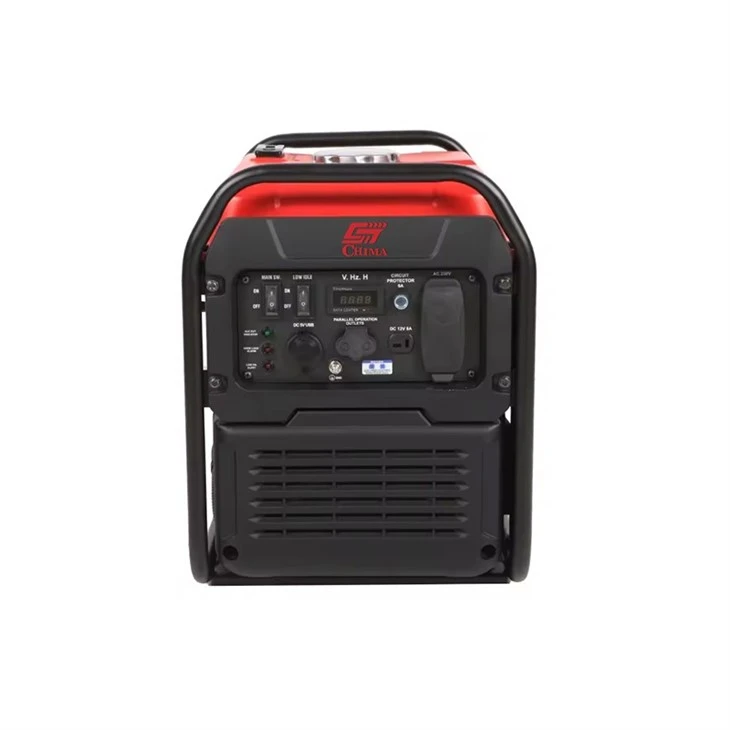

Lack of Ventilation
- Inadequate Airflow: Gasoline generators need proper ventilation to dissipate heat. If the generator is placed in an enclosed or poorly ventilated area, the heat cannot escape, causing the engine to overheat. Always place your generator in a well - ventilated area, away from flammable materials and obstructions.
- Blocked Cooling Fins: The cooling fins on the generator's engine help to dissipate heat. If they become blocked with dirt, debris, or oil, the cooling efficiency is reduced, leading to overheating. Regularly clean the cooling fins to ensure proper airflow.
Low Coolant Level
- Coolant Leaks: Some gasoline generators are liquid - cooled and require coolant to maintain the engine temperature. A coolant leak can cause the coolant level to drop, resulting in overheating. Check the coolant level regularly and look for any signs of leaks, such as puddles under the generator. If a leak is detected, repair it immediately and refill the coolant to the appropriate level.
Overloading
- Exceeding the Rated Capacity: Every gasoline generator has a rated power output. If you connect too many appliances or devices that draw more power than the generator can handle, it will strain the engine, causing it to overheat. Always check the power requirements of your appliances and ensure they do not exceed the generator's rated capacity.
3. Power Output Issues
Inconsistent or insufficient power output can be a major problem, especially when you rely on the generator to power essential equipment.
Voltage Fluctuations
- Faulty Voltage Regulator: The voltage regulator is responsible for maintaining a stable output voltage. A faulty voltage regulator can cause the voltage to fluctuate, which can damage sensitive electronic devices. If you notice significant voltage fluctuations, have the voltage regulator checked and replaced if necessary.
- Loose Connections: Loose electrical connections can also cause voltage fluctuations. Check all the electrical connections, including the wires, terminals, and plugs, and ensure they are tight and secure.
Insufficient Power Output
- Engine Performance Issues: A poorly performing engine may not be able to generate enough power to meet the demand. This can be due to various factors, such as a clogged air filter, low fuel pressure, or a worn - out engine component. Regular maintenance, including cleaning or replacing the air filter, checking the fuel system, and servicing the engine, can help ensure optimal engine performance.
4. Noise and Vibration
Gasoline generators can be quite noisy and vibrate during operation, which can be a nuisance, especially in residential areas.
Loose Parts
- Vibrating Components: Loose parts, such as bolts, nuts, or engine mounts, can cause excessive vibration and noise. Regularly inspect the generator for loose parts and tighten them as needed.
- Exhaust System Issues: A loose or damaged exhaust system can also contribute to noise and vibration. Check the exhaust pipes and muffler for any signs of damage or looseness and repair or replace them if necessary.
Improper Installation
- Uneven Surface: If the generator is not installed on a level surface, it can cause uneven vibration. Make sure to place the generator on a flat, stable surface to minimize vibration.
5. Maintenance Neglect
Many of the problems mentioned above can be avoided with proper maintenance. However, some users neglect regular maintenance, which can lead to more serious issues over time.
Lack of Oil Changes
- Dirty Oil: Engine oil lubricates the moving parts of the engine and helps to dissipate heat. Over time, the oil can become dirty and lose its lubricating properties. Regular oil changes are essential to keep the engine running smoothly. Follow the manufacturer's recommendations for oil change intervals.
Ignoring Regular Inspections
- Missed Issues: Regular inspections allow you to detect potential problems early, before they become major issues. Inspect the generator for signs of wear, damage, or leaks on a regular basis. This includes checking the fuel system, air filter, spark plugs, and other components.
As a gasoline generator supplier, we offer a wide range of high - quality generators to meet your power needs. Our 3kw 60HZ Portable Small Natural Gas Generator for Home is perfect for providing backup power to your home during outages. The 50HZ Gasoline Generator is a reliable option for various applications, and our 5KW 230V Portable Gasoline Generator Mini Small Petrol Generator Set is great for small - scale power requirements.
If you're experiencing problems with your gasoline generator or are looking to purchase a new one, we're here to help. Our team of experts can provide you with professional advice and support. Contact us to discuss your requirements and start a procurement negotiation today.
References
- Briggs & Stratton. Generator Maintenance Guide.
- Honda Power Equipment. Troubleshooting Tips for Gasoline Generators.
- Yamaha Generators. Owner's Manual and Technical Specifications.