

Hey there! As a supplier of inverter generators, I often get asked whether an inverter generator is better than a regular generator. It's a question that many folks grappling with power - outage prep or in need of portable power have on their minds. So, let's dig into this topic and find out what makes each type tick and which one might be the best fit for you.
How They Work
First off, let's understand how these two types of generators operate. A regular generator, also known as a conventional generator, has a pretty straightforward setup. It's got an engine that runs on fuel like gasoline, diesel, or propane. This engine spins an alternator, which creates an alternating current (AC). The power output from a regular generator is usually a bit rough, with voltage and frequency fluctuations.
On the flip side, an inverter generator is a bit more high - tech. It also has an engine that runs on fuel, but the process doesn't stop at the alternator. After the alternator creates AC power, it's converted into direct current (DC). Then, an inverter takes that DC power and turns it back into AC power. This double - conversion process allows for a much more stable and clean power output.
Power Quality
When it comes to power quality, inverter generators are the clear winners. The stable power they produce has a very low total harmonic distortion (THD), usually less than 3%. This clean power is crucial for sensitive electronics like laptops, smartphones, and smart home devices. Plugging these gadgets into a regular generator with a higher THD could potentially damage them over time.
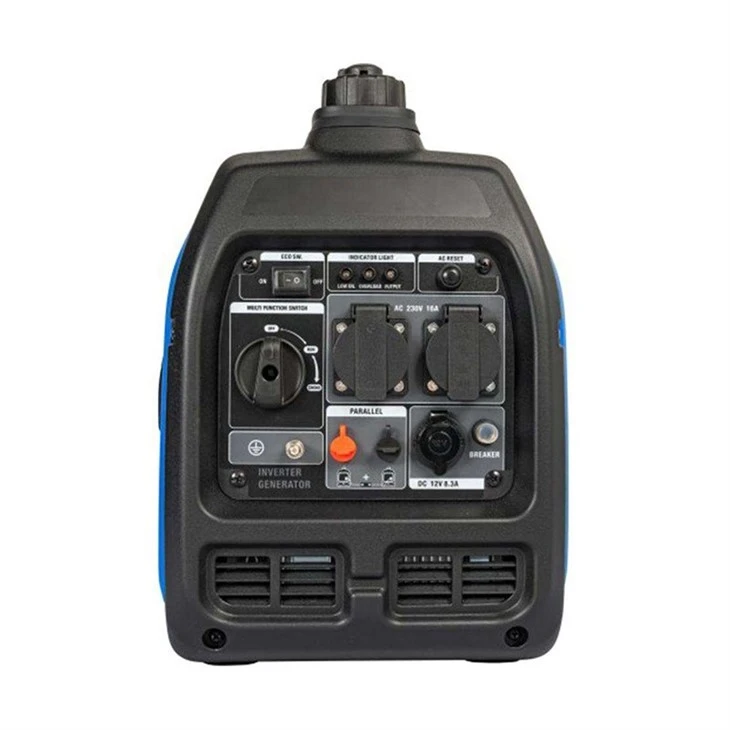
For example, if you're running a home office during a power outage, you'll want to keep your computer, printer, and other electronics safe. An inverter generator, like our 2000 Watt Inverter Generator for Home, can provide the clean power needed to keep your work going without any glitches.
Portability
Portability is another area where inverter generators shine. They're generally smaller and lighter than regular generators of the same power output. This makes them a breeze to move around, whether you're taking them on a camping trip or using them in different parts of your home.
Our Portable Inverter Generators are designed with portability in mind. They come with built - in handles and wheels in some models, so you can easily transport them wherever you need power. Regular generators, on the other hand, can be bulky and heavy, making them a hassle to move, especially if you're on your own.
Noise Level
Let's talk about noise. If you've ever been near a regular generator, you know how loud they can be. The engine and the alternator create a lot of racket, which can be a real nuisance, especially in quiet settings like a campsite or a suburban neighborhood.
Inverter generators, however, are much quieter. They use advanced technology and better insulation to reduce noise levels. Our 149CC 3000 Watt Best Silent Inverter Generator for Home Use is a great example. It operates at a whisper - quiet level, so you can enjoy your power without disturbing the peace.
Fuel Efficiency
Fuel efficiency is an important factor, especially if you're going to be using your generator for an extended period. Inverter generators are more fuel - efficient than regular generators. They can adjust the engine speed based on the power demand. So, if you're only running a few small devices, the engine will run at a lower speed, using less fuel.
Regular generators, on the other hand, usually run at a constant speed, regardless of the power demand. This means they can burn through fuel even when they're not being fully utilized. Over time, the fuel savings from using an inverter generator can really add up.
Cost
Now, cost is something that everyone considers. Inverter generators are generally more expensive upfront than regular generators. This is because of the advanced technology they use. However, when you factor in the long - term benefits like fuel savings, reduced risk of damaging electronics, and lower maintenance costs, the extra cost can be worth it.
Maintenance
Maintenance is relatively easier for inverter generators. They have fewer moving parts compared to regular generators, which means there's less that can go wrong. Also, because they produce cleaner power, there's less wear and tear on the engine and other components.
Regular generators may require more frequent maintenance, such as adjusting the carburetor and cleaning the spark plugs. This can add to the overall cost of ownership over time.
When to Choose a Regular Generator
Despite all the advantages of inverter generators, there are still situations where a regular generator might be the better choice. If you need a large amount of power for heavy - duty equipment like industrial tools or large appliances, a regular generator can usually provide more raw power at a lower cost. For example, if you're running a construction site, a regular generator might be more suitable.
Conclusion
So, is an inverter generator better than a regular generator? Well, it depends on your needs. If you're looking for clean power, portability, quiet operation, and fuel efficiency, an inverter generator is the way to go. They're great for home use, camping, and powering sensitive electronics.
However, if you need a high - power output for heavy - duty applications and cost is a major concern, a regular generator might be more appropriate.
As a supplier of inverter generators, I believe in the quality and performance of our products. If you're interested in learning more about our inverter generators or have any questions about which one is right for you, feel free to reach out. We're here to help you make the best decision for your power needs. Let's start a conversation and see how we can work together to get you the power you need.

References
- Generator Handbook: A Guide to Understanding and Selecting the Right Generator, 3rd Edition
- Power Generation Technology Journal, Vol. 15, Issue 2