

Thawing a frozen two stage snow blower is a crucial skill for anyone who relies on these machines to clear snow during the winter months. As a supplier of high - quality two stage snow blowers, I've seen firsthand the issues that can arise when these powerful tools freeze up. In this blog, I'll share some practical steps and tips on how to effectively thaw a frozen two stage snow blower.
Understanding Why Your Snow Blower Freezes
Before we dive into the thawing process, it's important to understand why a two stage snow blower might freeze in the first place. There are several common reasons:
- Moisture Infiltration: Snow is made of water, and when it gets into the internal components of the snow blower, it can freeze. This often happens when the snow blower is used in wet, slushy snow conditions or when it's not properly stored after use, allowing moisture to seep in.
- Cold Temperatures: Extreme cold can cause the lubricants in the snow blower to thicken and freeze. This can affect the movement of the auger, impeller, and other moving parts, making the machine difficult or impossible to start.
- Ice Buildup: Snow can accumulate and compact inside the snow blower, forming ice. This ice can block the chute, auger, and other areas, preventing the normal operation of the machine.
Pre - Thaw Inspection
Before you start the thawing process, it's essential to conduct a pre - thaw inspection of your snow blower. This will help you identify any visible signs of damage or blockages.
- Visual Inspection: Look for any obvious signs of ice buildup. Check the chute, auger, and impeller for large chunks of ice. Also, inspect the engine and other mechanical components for any signs of damage or corrosion.
- Check the Fuel and Oil: Make sure the fuel tank is full and the oil level is correct. Cold temperatures can cause fuel to gel and oil to thicken, so it's important to have fresh fuel and the right amount of oil.
- Examine the Electrical Components: If your snow blower has an electric starter or other electrical components, check the wiring for any signs of damage or corrosion. A faulty electrical connection can prevent the snow blower from starting.
Thawing Steps
Step 1: Move the Snow Blower Indoors
The first step in thawing a frozen two stage snow blower is to move it to a warm, dry place. A garage or shed with a heater can be an ideal location. Make sure the area is well - ventilated, especially if you're using a gas - powered snow blower, as exhaust fumes can be dangerous.
Step 2: Use a Heater
Once the snow blower is in a warm area, you can use a space heater to speed up the thawing process. Place the heater a safe distance away from the snow blower to avoid any fire hazards. Direct the heat towards the areas with the most ice buildup, such as the chute and auger.
Step 3: Remove Loose Ice
As the ice begins to thaw, use a plastic or wooden tool to gently remove any loose ice from the snow blower. Avoid using metal tools, as they can scratch or damage the components. Start with the chute and work your way towards the auger and impeller.

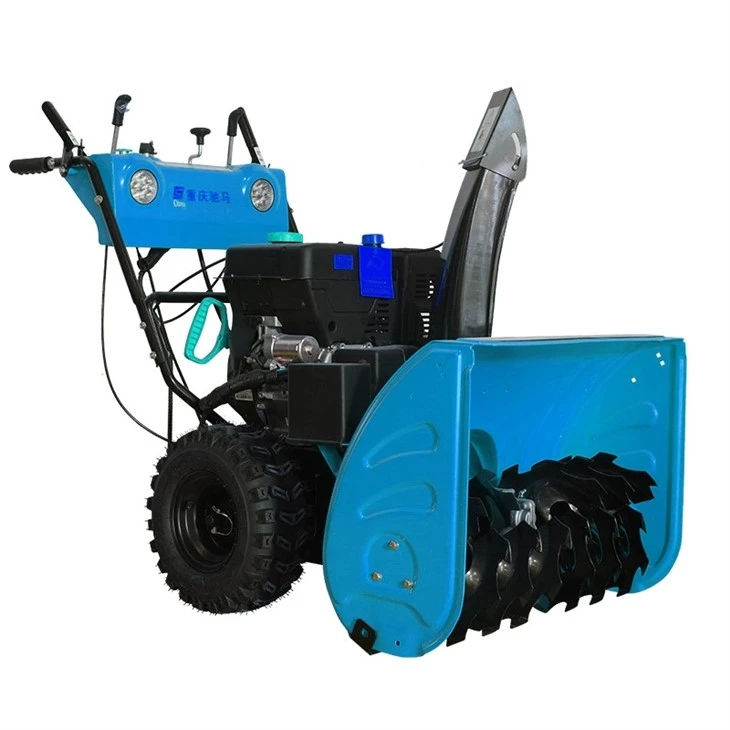
Step 4: Check the Moving Parts
After most of the ice has melted, try to manually turn the auger and impeller. If they move freely, it's a good sign that the snow blower is thawed. If they are still stuck, continue to apply heat and wait for more ice to melt.
Step 5: Lubricate the Components
Once the snow blower is thawed and the moving parts are free, it's a good idea to lubricate the components. Use a high - quality lubricant designed for snow blowers to ensure smooth operation. Apply the lubricant to the auger, impeller, and other moving parts according to the manufacturer's instructions.
Step 6: Test the Snow Blower
After lubricating the components, it's time to test the snow blower. Before starting the engine, make sure the area around the snow blower is clear of any debris or people. Start the engine and let it run for a few minutes to warm up. Check the operation of the auger, impeller, and chute to make sure everything is working properly.
Preventive Measures
To avoid having to thaw your snow blower in the future, here are some preventive measures you can take:
- Proper Storage: Store your snow blower in a dry, heated area when not in use. If you don't have a heated storage space, cover the snow blower with a waterproof tarp to protect it from the elements.
- Use the Right Fuel and Oil: Use a winter - grade fuel and oil to prevent gelling and thickening in cold temperatures. Follow the manufacturer's recommendations for fuel and oil type.
- Clean the Snow Blower After Use: After each use, remove any snow and ice from the snow blower. Use a brush or compressed air to clean the chute, auger, and other components. This will prevent ice buildup and keep the machine in good condition.
Our Two Stage Snow Blower Offerings
As a two stage snow blower supplier, we offer a wide range of high - quality products to meet your snow - clearing needs. Our Lightweight Gas Powered 2 Stage Snow Blowers are perfect for homeowners who need a powerful yet easy - to - handle snow blower. They are designed to be lightweight, making them easy to maneuver around the yard.
If you're looking for a self - propelled option, our 24 Inch Lightweight Two Stage Self Propelled Snow Blower is a great choice. It has a 24 - inch clearing width and self - propelled wheels, making it ideal for larger driveways and sidewalks.
For those with gravel driveways, our Best 24 Inch 2 Stage Compact Gas Snow Blower for Gravel Driveway is specifically designed to handle the unique challenges of clearing snow from gravel surfaces. It has a powerful engine and a durable design to ensure efficient snow removal.
Contact Us for Procurement
If you're interested in purchasing a two stage snow blower or have any questions about our products, we encourage you to contact us for procurement discussions. Our team of experts is ready to assist you in finding the right snow blower for your needs.
References
- Snow Blower Manufacturer's Manuals
- Winter Maintenance Guides for Outdoor Power Equipment