

Stopping an inverter generator properly is crucial for its longevity and safe operation. As a supplier of inverter generators, I understand the importance of providing clear guidance on this topic. In this blog post, I'll share comprehensive steps on how to stop an inverter generator effectively, along with some essential tips and considerations.
Step 1: Turn Off All Connected Devices
Before stopping the inverter generator, it's essential to turn off all the electrical devices connected to it. This includes appliances, tools, and any other equipment that draws power from the generator. By doing so, you prevent sudden power surges or electrical damage to both the devices and the generator itself. For example, if you've been using a refrigerator, a TV, and some power tools, make sure to switch them off one by one. This simple step can save you from potential costly repairs in the long run.
Step 2: Set the Load Switch to the "Off" Position
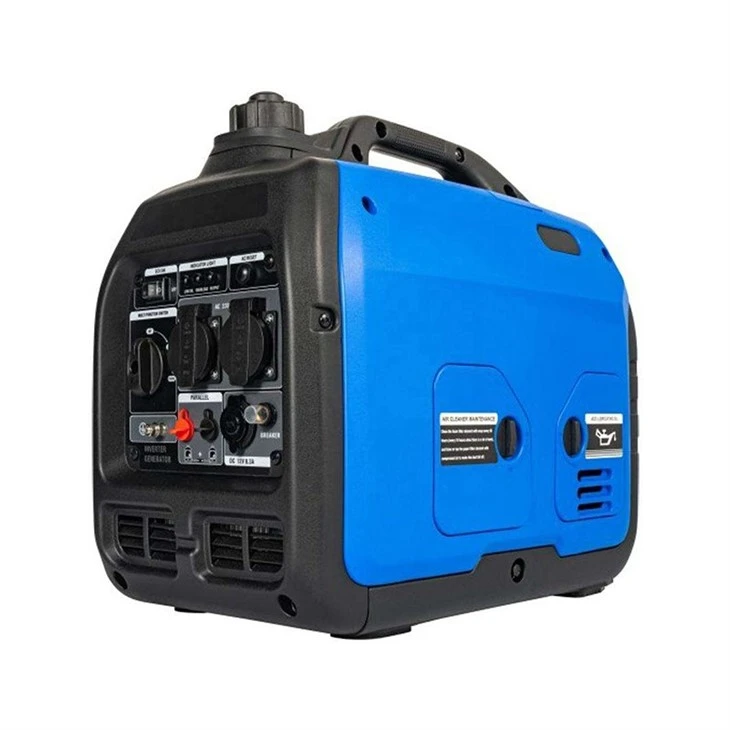
Most inverter generators are equipped with a load switch. This switch controls the flow of electricity from the generator to the connected devices. Locate the load switch on your generator and set it to the "Off" position. This action disconnects the electrical load from the generator, allowing it to operate under a no - load condition. It's similar to unplugging all the devices, but it's a more convenient way to do it, especially when you have multiple devices connected.
Step 3: Let the Generator Run Idle for a Few Minutes
After turning off the load, let the generator run idle for about 2 - 3 minutes. Running the generator idle helps to cool down its internal components, such as the engine and the inverter. During operation, these components generate a significant amount of heat. Allowing the generator to run idle at a lower speed helps dissipate this heat gradually. Just like a car engine needs to cool down after a long drive, an inverter generator benefits from this short idle time. This can extend the lifespan of the generator and reduce the risk of overheating - related issues.
Step 4: Turn Off the Fuel Supply
Once the generator has run idle for the appropriate time, it's time to turn off the fuel supply. Most inverter generators have a fuel valve or a fuel shut - off switch. Locate this valve or switch and turn it to the "Off" position. By cutting off the fuel supply, the engine will gradually run out of fuel and come to a stop. This method is preferred over simply turning off the engine abruptly because it helps to prevent fuel from remaining in the carburetor or the fuel lines, which can lead to clogging and starting problems in the future.
Step 5: Turn Off the Ignition Switch
After the engine has stopped running due to the lack of fuel, turn off the ignition switch. The ignition switch is usually labeled clearly on the generator's control panel. Turning it off ensures that there is no electrical current flowing through the ignition system, which can prevent unnecessary battery drain and potential electrical malfunctions. It's the final step in completely shutting down the generator.
Step 6: Check for Any Leaks or Abnormalities
Once the generator has stopped, take a few moments to visually inspect it for any signs of leaks, such as fuel or oil leaks. Check the area around the fuel tank, the engine, and the hoses for any wet spots or drips. Also, look for any unusual noises or vibrations that might indicate a problem. If you notice any leaks or abnormalities, it's important to address them before using the generator again. This simple inspection can help you catch potential issues early and avoid more serious problems down the road.
Tips and Considerations
- Regular Maintenance: Regular maintenance is key to ensuring that your inverter generator operates smoothly and can be stopped and started without issues. Follow the manufacturer's recommended maintenance schedule, which may include oil changes, air filter replacements, and spark plug inspections.
- Environment: When stopping the generator, make sure it is in a well - ventilated area. Inverter generators produce exhaust fumes, which can be harmful if inhaled in an enclosed space. Avoid stopping the generator in a garage or a small shed without proper ventilation.
- Battery Care: If your inverter generator has a battery, make sure to keep it charged. A dead battery can prevent the generator from starting properly in the future. You can use a battery charger to maintain the battery's charge when the generator is not in use.
As a supplier of inverter generators, we offer a wide range of high - quality products, including Quite Inverter Generator, Portable Inverter Generators, and 3kva Portable Super Quiet Inverter Generator for Camping. Our generators are designed with user - friendly features and are built to last.
If you're interested in purchasing an inverter generator or have any questions about their operation, maintenance, or stopping procedures, don't hesitate to contact us for a procurement discussion. We have a team of experts who can provide you with detailed information and help you choose the right generator for your needs.

References
- Inverter Generator User Manuals: Most inverter generator manufacturers provide detailed instructions on how to stop and maintain their products in the user manuals.
- Industry Standards and Best Practices: There are various industry - wide guidelines and best practices for operating and stopping inverter generators, which are based on years of research and experience in the power generation field.