

Hey there! As a supplier of gasoline generators, I often get asked about how to measure the power output of these nifty machines. It's a crucial aspect, whether you're a homeowner looking for a backup power source or a business owner in need of reliable electricity. So, let's dive right in and break down the process of measuring the power output of a gasoline generator.
First off, let's understand what power output means. In simple terms, power output is the amount of electrical energy a generator can produce. It's usually measured in watts (W) or kilowatts (kW). Knowing the power output of your generator is essential because it determines what appliances and equipment you can run simultaneously.
There are a few different ways to measure the power output of a gasoline generator. One of the most common methods is using a wattmeter. A wattmeter is a device that measures the electrical power flowing through a circuit. It's relatively easy to use and can give you an accurate reading of your generator's power output.
To use a wattmeter, you'll need to connect it to the generator's output. Most wattmeters come with alligator clips or plugs that you can attach to the generator's outlets. Once it's connected, turn on the generator and let it reach its operating speed. Then, start adding electrical loads, such as lights or small appliances, to the generator. The wattmeter will display the total power being consumed by the connected devices.
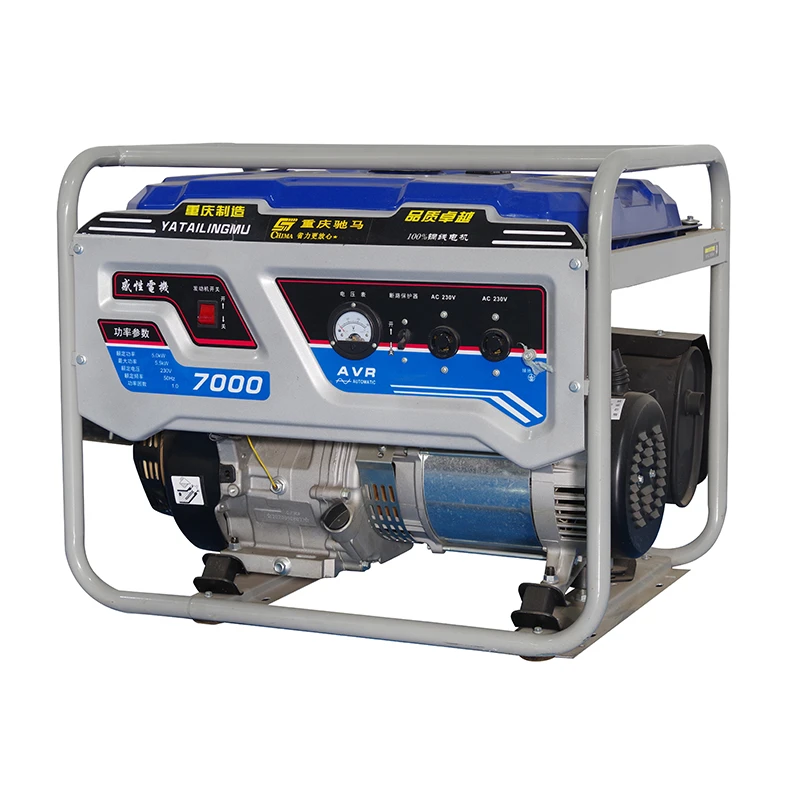
Another way to measure power output is by calculating it based on the generator's specifications. Most gasoline generators come with a label or manual that lists their rated power output. This is the maximum amount of power the generator can produce under ideal conditions. However, it's important to note that the actual power output may vary depending on factors like the generator's age, condition, and the load it's carrying.
To calculate the power output, you'll need to know the generator's voltage and current. Voltage is measured in volts (V), and current is measured in amperes (A). The formula for calculating power is P = V x I, where P is power in watts, V is voltage, and I is current.

For example, if your generator has a voltage of 120V and a current of 10A, the power output would be P = 120V x 10A = 1200W or 1.2kW. Keep in mind that this is a simplified calculation and may not take into account factors like power factor, which can affect the actual power output.
Now, let's talk about some factors that can affect the power output of a gasoline generator. One of the biggest factors is the load. The more electrical devices you connect to the generator, the more power it will need to produce. If you overload the generator, it may not be able to provide enough power, and it could even damage the generator or the connected devices.
Another factor is the fuel quality. Using low-quality or contaminated fuel can reduce the generator's efficiency and power output. It's important to use the recommended fuel type and keep the fuel tank clean.
The temperature and altitude can also affect the power output. Generators tend to produce less power in hot weather or at high altitudes. This is because the air is thinner at high altitudes, which can make it harder for the engine to burn fuel efficiently.
As a gasoline generator supplier, I offer a wide range of generators to meet different needs. For example, we have the 3kw 60HZ Portable Small Natural Gas Generator for Home. This generator is perfect for homeowners who need a reliable backup power source. It's portable, easy to use, and can power essential appliances like lights, refrigerators, and fans.
We also have the Air Cooled 4 Stroke Small Electric Start Generator for Home Use 5000 Watt. This generator is a great option for those who need a bit more power. It has a 5000-watt output, which can handle larger appliances like air conditioners and power tools.
And if you're looking for a standby generator for your home, check out our Gasoline Powered Home Standby Small Portable Generators. These generators are designed to automatically start when the power goes out, providing you with continuous electricity until the main power is restored.
Measuring the power output of a gasoline generator is an important step in ensuring that you're getting the most out of your generator. Whether you use a wattmeter or calculate it based on the generator's specifications, it's crucial to know the power output so you can use your generator safely and efficiently.
If you're in the market for a gasoline generator or have any questions about measuring power output, feel free to reach out. I'm here to help you find the right generator for your needs and provide you with all the information you need to make an informed decision. Let's start a conversation and see how we can work together to keep your power flowing!
References
- Electrical Engineering textbooks for basic power calculation concepts
- Generator user manuals for specific generator information