

Hey there! As a diesel generator supplier, I've seen firsthand how a good generator can be a real game - changer, whether it's for your home or your business. Today, I'm gonna walk you through the process of installing a diesel generator. It might seem a bit daunting at first, but with the right steps, you'll have it up and running in no time.
Step 1: Choose the Right Generator
Before you even think about installation, you need to pick the right diesel generator for your needs. If you're looking for something for home use, a Small Diesel Back Up 5 Kva Silent Soundproof Generators for Home Use could be a great option. It's quiet, which is super important if you don't want to annoy your neighbors, and it's powerful enough to keep the essential appliances running during a power outage.
On the other hand, if you're in an industrial setting, you'll probably need something more heavy - duty. Check out our High - Efficiency Industrial Diesel Generator with Wheels. The wheels make it easy to move around, and the high - efficiency means you'll save on fuel costs in the long run. And if you're after convenience, our Electric Start Diesel Power Generator is a great choice. No more struggling with pull - starts!
Step 2: Find the Right Location
Once you've got your generator, the next step is to find the perfect spot to install it. First off, it needs to be on a flat and stable surface. This will prevent any vibrations from causing the generator to tip over or make a lot of noise.
It also needs to be well - ventilated. Diesel generators produce exhaust fumes, which are toxic. You don't want these fumes building up in an enclosed space. A good rule of thumb is to install the generator at least 5 feet away from any walls, windows, or doors. This will ensure that the exhaust fumes can disperse safely.
Another thing to consider is the distance from your home or business. You don't want it too close, as it can be noisy. But you also don't want it too far away, as you'll need to run power cables to it.
Step 3: Prepare the Site
Now that you've found the right location, it's time to prepare the site. Start by clearing the area of any debris, rocks, or vegetation. You want a clean and level surface.
If the ground is soft, you might need to pour a concrete pad. This will provide a stable base for the generator. Make sure the pad is big enough to accommodate the generator with some extra space around it.
Once the pad is dry (if you've poured one), you can use some anti - vibration pads. These pads will help reduce the noise and vibrations from the generator. Just place them under the generator's feet.
Step 4: Connect the Fuel System
Diesel generators run on diesel fuel, so you need to connect a fuel system. First, you'll need a fuel tank. You can choose between an above - ground or an underground tank, depending on your needs and local regulations.
Connect the fuel tank to the generator using a fuel line. Make sure the connections are tight to prevent any fuel leaks. You might also want to install a fuel filter to keep the fuel clean and prevent any clogs in the generator's engine.
Step 5: Connect the Electrical System
This is probably the most important and tricky part of the installation. You need to connect the generator to your electrical system safely. If you're not experienced with electrical work, it's best to hire a licensed electrician.
First, you'll need to install a transfer switch. This switch will allow you to safely switch between the power from the grid and the power from the generator. It also prevents back - feeding, which can be dangerous for utility workers.
Connect the generator to the transfer switch using heavy - duty power cables. Make sure the cables are rated for the amperage of the generator. Then, connect the transfer switch to your main electrical panel.
Step 6: Test the Generator
Once everything is connected, it's time to test the generator. Before you start it up, double - check all the connections to make sure they're secure.
Fill the fuel tank with diesel fuel and turn on the fuel valve. Then, follow the manufacturer's instructions to start the generator. Let it run for a few minutes to warm up.
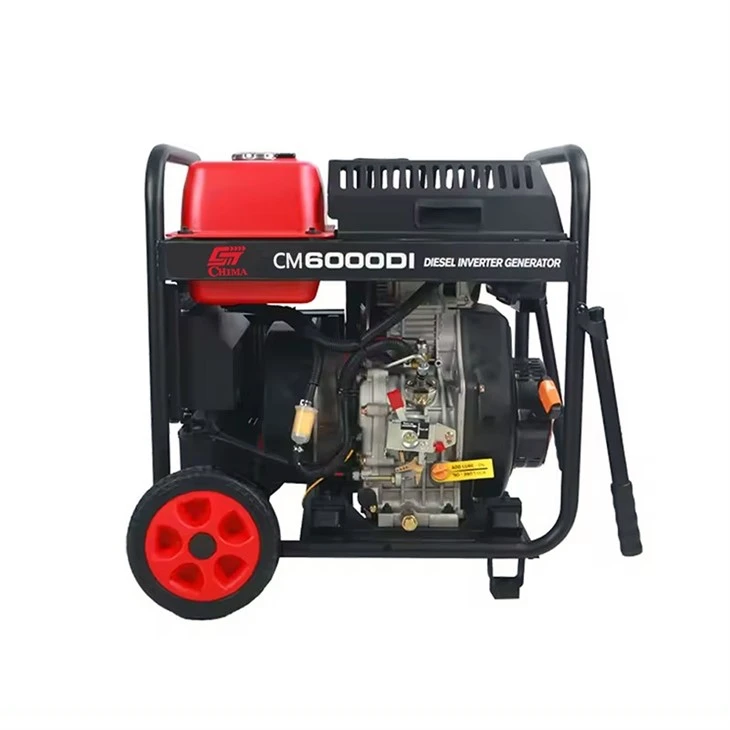

Check the voltage and frequency using a multimeter. The voltage should be within the recommended range for your electrical system. Also, listen for any strange noises or vibrations. If you notice anything unusual, turn off the generator immediately and check for problems.
Step 7: Maintenance
After the installation and testing, you need to keep up with regular maintenance. This includes changing the oil, replacing the air filter, and checking the fuel system for leaks.
Follow the maintenance schedule in the generator's manual. Regular maintenance will keep your generator running smoothly and extend its lifespan.
So, there you have it - a step - by - step guide on how to install a diesel generator. If you have any questions or if you're interested in purchasing a diesel generator, don't hesitate to reach out. We're here to help you find the right generator for your needs and make sure the installation goes smoothly.
References
- Diesel Generator Installation Manuals
- Industry Best Practices for Diesel Generator Installation