

As a supplier of gasoline generators, I've encountered numerous customers seeking ways to enhance the power output of their generators. Whether you're using a generator for home backup during power outages or for powering equipment on a job site, maximizing its power output can be crucial. In this blog, I'll share some effective strategies to increase the power output of a gasoline generator.
Understanding the Basics of Gasoline Generators
Before delving into ways to boost power output, it's essential to understand how a gasoline generator works. A gasoline generator consists of an engine and an alternator. The engine burns gasoline to produce mechanical energy, which is then converted into electrical energy by the alternator. The power output of a generator is typically measured in watts and is determined by several factors, including the size of the engine, the efficiency of the alternator, and the quality of the fuel.
Choose the Right Generator
The first step in increasing power output is to choose the right generator for your needs. If you require a high power output, you'll need a generator with a larger engine and a higher-rated alternator. Our company offers a range of gasoline generators with different power ratings to suit various applications. For example, the Air Cooled 4 Stroke Small Electric Start Generator for Home Use 5000 Watt is a great option for home use, providing a reliable power supply of up to 5000 watts. If you need a portable generator for standby power at home, the Gasoline Powered Home Standby Small Portable Generators are designed to be compact and easy to use. And for those who prefer natural gas, our 3kw 60HZ Portable Small Natural Gas Generator for Home offers a clean and efficient power solution.
Maintain Your Generator Regularly
Regular maintenance is crucial for ensuring the optimal performance of your gasoline generator and maximizing its power output. Here are some maintenance tasks you should perform:
- Change the Oil: Just like a car engine, the engine in a gasoline generator needs clean oil to run smoothly. Check the oil level regularly and change the oil according to the manufacturer's recommendations.
- Replace the Air Filter: A dirty air filter can restrict the airflow to the engine, reducing its power output. Replace the air filter at regular intervals to ensure proper combustion.
- Check the Spark Plug: A worn or fouled spark plug can cause misfires and reduce the engine's power. Inspect the spark plug regularly and replace it if necessary.
- Inspect the Fuel System: Make sure the fuel tank is clean and free of debris. Check the fuel lines for leaks and replace any damaged lines. Use high-quality gasoline to ensure proper combustion and prevent engine damage.
Optimize the Load
Another way to increase the power output of your generator is to optimize the load. Avoid overloading the generator, as this can cause it to overheat and reduce its power output. Calculate the total power requirements of the appliances and equipment you plan to connect to the generator and make sure it does not exceed the generator's rated power. You can also prioritize the essential appliances and connect them to the generator first. For example, during a power outage, you may want to power your refrigerator, lights, and a few essential electronics. By connecting only the necessary appliances, you can ensure that the generator operates at an optimal load and provides maximum power.
Upgrade the Generator
If you need a significant increase in power output, you may consider upgrading your generator. Our company offers a range of high-power gasoline generators that can meet your demanding power requirements. Upgrading to a larger generator with a more powerful engine and a higher-rated alternator can significantly increase the power output. However, before upgrading, make sure you have the necessary space and resources to accommodate the larger generator.
Use a Voltage Regulator
A voltage regulator can help stabilize the output voltage of your generator, ensuring a consistent power supply to your appliances and equipment. Fluctuations in voltage can damage sensitive electronics and reduce the efficiency of your generator. A voltage regulator can automatically adjust the output voltage to a safe and stable level, protecting your devices and maximizing the power output of the generator.

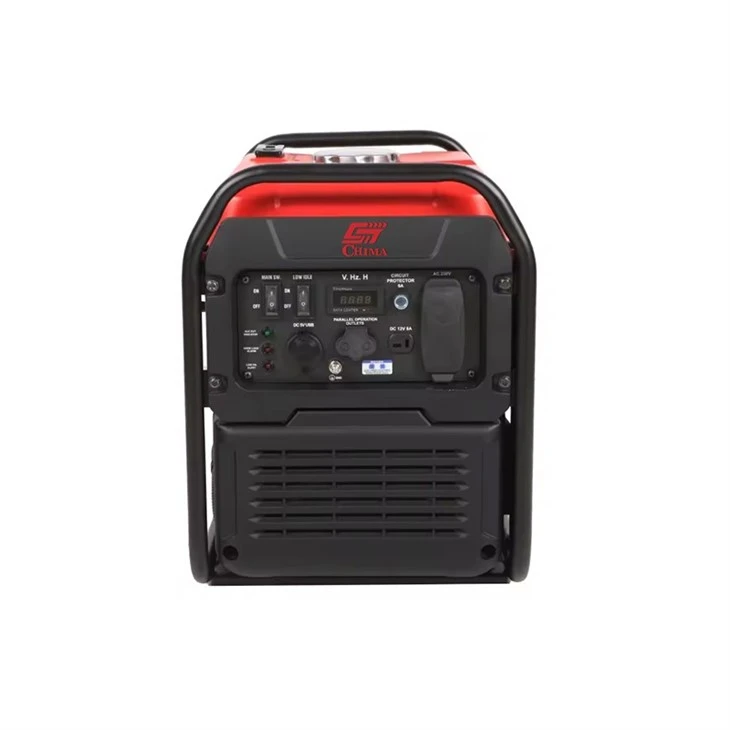
Ensure Proper Ventilation
Proper ventilation is essential for the safe and efficient operation of your gasoline generator. When the generator is running, it produces exhaust gases that contain carbon monoxide, a colorless and odorless gas that can be deadly if inhaled. Make sure the generator is placed in a well-ventilated area, away from windows, doors, and other openings. Do not operate the generator in an enclosed space, such as a garage or basement.
Consider Parallel Operation
If you need more power than a single generator can provide, you can consider parallel operation. Some generators are designed to be connected in parallel, allowing you to combine their power outputs. This can be a cost-effective way to increase the power supply without having to purchase a larger generator. However, not all generators are compatible for parallel operation, so make sure to check the manufacturer's specifications before attempting to connect them.
In conclusion, increasing the power output of a gasoline generator requires a combination of proper selection, regular maintenance, and optimization of the load. By following the tips outlined in this blog, you can ensure that your generator operates at its best and provides a reliable power supply when you need it most. If you have any questions or need further assistance in choosing the right generator or increasing its power output, please feel free to contact us. We're here to help you find the perfect power solution for your needs.
References
- Manufacturer's manuals for gasoline generators
- Industry standards and guidelines for generator operation and maintenance