

When operating a diesel water pump in extremely cold water temperatures, several unique challenges arise that can impact the pump's performance and longevity. As a seasoned diesel water pump supplier, I've encountered these issues firsthand and have developed effective strategies to address them. In this blog post, I'll share some valuable insights on how to deal with a diesel water pump in frigid conditions.
Understanding the Challenges of Cold Water Temperatures
Cold water can cause a range of problems for diesel water pumps. First and foremost, the viscosity of water increases as the temperature drops. This thicker water requires more energy to pump, putting additional strain on the pump's engine and components. As a result, the pump may experience reduced flow rates and efficiency.
Another significant concern is the risk of freezing. If water freezes inside the pump or its associated pipes, it can cause severe damage. The expansion of ice can crack the pump casing, damage impellers, and rupture pipes. Moreover, freezing can also lead to blockages, preventing the normal flow of water and potentially causing the pump to malfunction.
Cold temperatures can also affect the diesel engine itself. Diesel fuel can thicken in cold weather, making it more difficult to ignite and causing poor combustion. This can lead to starting problems, rough running, and decreased power output. Additionally, the battery's performance can be significantly reduced in cold conditions, further complicating the starting process.
Preparing the Diesel Water Pump for Cold Weather
Before operating the diesel water pump in extremely cold water temperatures, it's essential to take several preparatory steps to ensure its proper functioning.
Use the Right Diesel Fuel
Choose a diesel fuel with a low cloud point and pour point suitable for cold weather. These fuels are formulated to remain fluid at lower temperatures, reducing the risk of fuel gelling. Some diesel fuels also contain additives that improve cold-weather performance, such as anti-gelling agents and cetane improvers.
Check and Replace Fluids
Inspect the engine oil, coolant, and lubricants regularly. Use oil with a lower viscosity rating recommended for cold temperatures to ensure proper lubrication. The coolant should be a mixture of antifreeze and water with a ratio appropriate for the expected coldest temperature in your area. This will prevent the coolant from freezing and damaging the engine.
Inspect the Battery
Cold weather can reduce a battery's capacity and starting power. Make sure the battery is fully charged and in good condition. Check the battery terminals for corrosion and clean them if necessary. Consider using a battery warmer or insulation to keep the battery at a suitable temperature.
Protect the Pump and Pipes
Insulate the pump and its associated pipes to prevent heat loss and reduce the risk of freezing. You can use insulation materials such as foam sleeves or heat tape. In addition, drain any water from the pump and pipes when not in use to avoid freezing. If possible, store the pump in a heated area during extreme cold spells.
Operating the Diesel Water Pump in Cold Conditions
Once the pump is properly prepared, there are several best practices to follow when operating it in extremely cold water temperatures.
Warm Up the Engine
Before starting the pump, allow the engine to warm up for a few minutes. This helps the diesel fuel to flow more easily and ensures proper lubrication of the engine components. Start the engine slowly and let it idle for a few minutes before engaging the pump.
Monitor the Pump's Performance
Keep a close eye on the pump's performance during operation. Watch for any signs of reduced flow rates, unusual noises, or vibrations. If you notice any problems, stop the pump immediately and investigate the cause.
Avoid Overloading the Pump
Due to the increased viscosity of cold water, the pump may require more power to operate. Avoid overloading the pump by ensuring that the flow rate and pressure are within the pump's rated capacity. This will help prevent excessive strain on the engine and components.
Keep the Pump Running
If possible, keep the pump running continuously during cold weather to prevent the water inside from freezing. If you need to stop the pump, make sure to drain all the water from the system as soon as possible.
Troubleshooting Common Cold-Weather Issues
Despite taking all the necessary precautions, you may still encounter some problems when operating a diesel water pump in extremely cold water temperatures. Here are some common issues and their solutions:
Starting Problems
If the engine won't start, check the battery to make sure it's fully charged. Try using a jump starter or a battery charger to boost the battery's power. If the fuel is gelled, you may need to warm up the fuel tank or use a fuel additive to dissolve the gel.
Reduced Flow Rates
If the pump is delivering less water than usual, it could be due to a blockage or the increased viscosity of the water. Check the intake and discharge pipes for any obstructions and clean them if necessary. You may also need to adjust the pump's settings to increase the flow rate.
Freezing
If the water inside the pump or pipes has frozen, do not attempt to start the pump until the ice has melted. Use a gentle heat source, such as a hair dryer or a heat lamp, to thaw the ice. Make sure to drain all the water from the system once it has thawed to prevent refreezing.
Choosing the Right Diesel Water Pump for Cold Weather
When selecting a diesel water pump for use in extremely cold water temperatures, it's important to choose a pump that is designed to handle the challenges of cold weather. Look for pumps with features such as:
- Cold-Start Capability: Some diesel water pumps are equipped with features that make them easier to start in cold weather, such as glow plugs or pre-heaters.
- Insulated Components: Pumps with insulated casings and pipes can help prevent heat loss and reduce the risk of freezing.
- High-Quality Engines: Choose a pump with a reliable diesel engine that is known for its cold-weather performance.
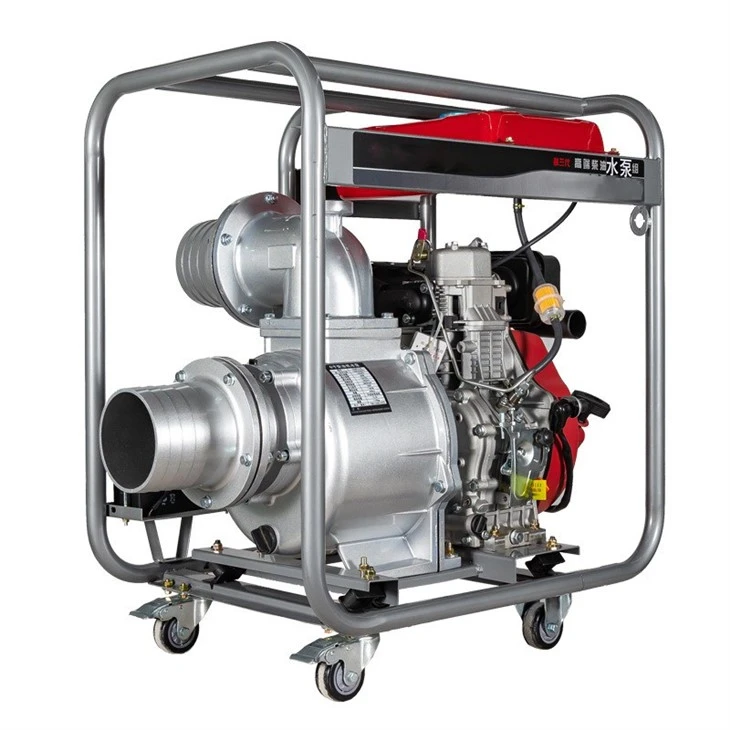
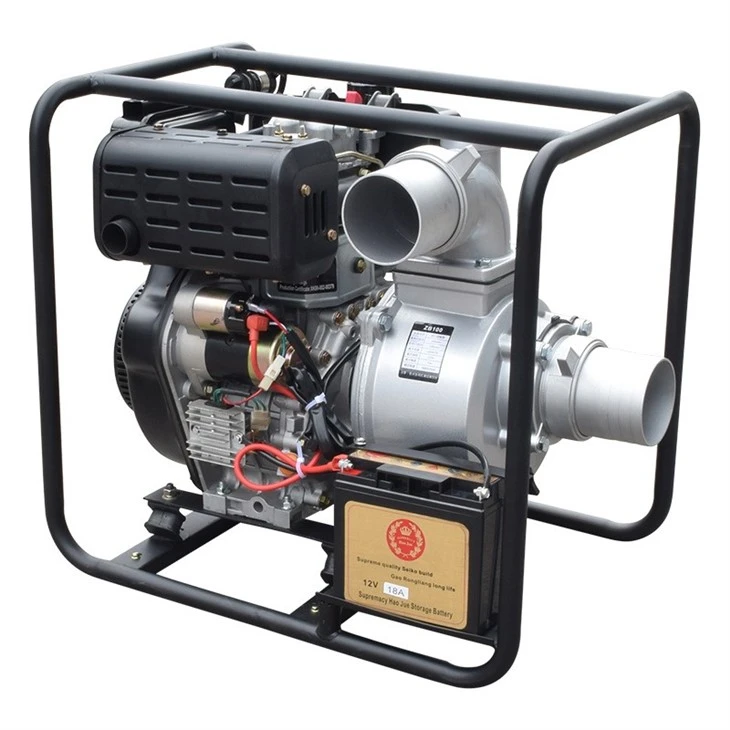
As a diesel water pump supplier, we offer a wide range of pumps suitable for various applications, including those in cold environments. For example, our Light Weight Large Flow Portable Diesel Operated Irrigation Water Pump for Farming is designed to provide high flow rates and is built to withstand harsh conditions. Our Diesel Powered Driven Irrigation Transfer Pump is another excellent choice for cold-weather applications, offering reliable performance and durability. And our Agricultural Irrigation High Volume Diesel Water Pump is ideal for large-scale irrigation projects in cold regions.
Conclusion
Operating a diesel water pump in extremely cold water temperatures requires careful preparation and attention to detail. By understanding the challenges of cold weather, taking the necessary preparatory steps, following best practices during operation, and choosing the right pump, you can ensure the reliable performance of your diesel water pump even in the coldest conditions.
If you're in the market for a diesel water pump or need further advice on dealing with cold-weather issues, we're here to help. Our team of experts can assist you in selecting the right pump for your specific needs and provide you with the support and guidance you need to keep your pump running smoothly. Contact us today to start a conversation about your diesel water pump requirements.
References
- "Diesel Engine Operation in Cold Weather," Diesel Technology Forum
- "Cold Weather Operation of Water Pumps," Hydraulic Institute