

Gasoline generators are reliable sources of power, especially in areas prone to power outages or for those who need portable power on the go. Some gasoline generators come equipped with a battery, which plays a crucial role in starting the generator. As a leading supplier of gasoline generators, we understand the importance of proper battery maintenance. In this blog, we'll guide you through the process of checking the battery in a gasoline generator, if applicable.
Why Check the Battery in a Gasoline Generator?
Before delving into the checking process, it's essential to understand why battery checks are necessary. A well - maintained battery ensures that your generator starts smoothly when you need it most. Over time, batteries can lose their charge, suffer from sulfation (a build - up of lead sulfate crystals on the battery plates), or experience other issues that can prevent the generator from starting. Regular checks can help you identify and address these problems early, saving you time and money in the long run.
Identifying if Your Generator Has a Battery
Not all gasoline generators are equipped with a battery. Smaller, portable generators often rely on a recoil start system, which means they don't need a battery to start. On the other hand, larger standby generators and some mid - sized portable models may use an electric start system, which requires a battery.
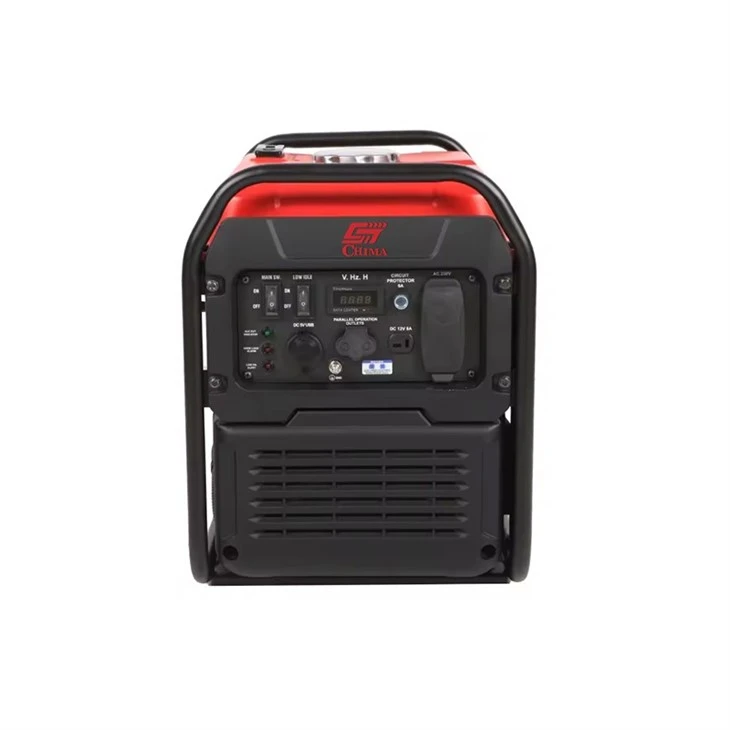
If you're unsure whether your generator has a battery, refer to the owner's manual. You can also visually inspect the generator. Look for a battery box, usually located near the engine. It may be covered by a plastic or metal lid. Our Gasoline Powered Home Standby Small Portable Generators come in various models, some with electric start systems and batteries, so make sure to check the specifications of your specific unit.

Tools You'll Need
Before you start checking the battery, gather the necessary tools:
- Multimeter: This device is used to measure the voltage of the battery. It's an essential tool for determining the battery's charge level.
- Battery terminal cleaner: If the battery terminals are dirty or corroded, a terminal cleaner can help remove the buildup.
- Safety gloves and goggles: Batteries contain sulfuric acid, which can be harmful if it comes into contact with your skin or eyes. Always wear protective gear when working with batteries.
Step - by - Step Battery Checking Process
Step 1: Safety First
Ensure the generator is turned off and disconnected from any power sources. This includes unplugging any electrical devices connected to the generator and turning off the fuel supply. Put on your safety gloves and goggles to protect yourself from potential battery acid spills.
Step 2: Locate the Battery
As mentioned earlier, find the battery box on your generator. Remove the lid carefully to access the battery.
Step 3: Inspect the Battery
Visually inspect the battery for any signs of damage, such as cracks, leaks, or bulges. A damaged battery should be replaced immediately. Also, check the battery terminals for corrosion. Corrosion appears as a white or greenish - blue powdery substance on the terminals. If you notice corrosion, it's a sign that the battery may not be functioning optimally.
Step 4: Check the Battery Voltage
Set your multimeter to the DC voltage setting. Most automotive and generator batteries are 12 - volt batteries, so set the multimeter to a range that can measure up to 20 volts.
- Fully Charged Battery: A fully charged 12 - volt battery should read around 12.6 to 12.8 volts when the engine is off.
- Partially Charged Battery: If the voltage is between 12.2 and 12.4 volts, the battery is partially charged and may need to be recharged.
- Discharged Battery: A voltage below 12 volts indicates a discharged battery. If the voltage is significantly lower, such as 11 volts or less, the battery may be severely discharged or damaged.
Our 5KW 230V Portable Gasoline Generator Mini Small Petrol Generator Set with an electric start system requires a properly charged battery to ensure reliable starting.
Step 5: Clean the Battery Terminals
If you notice corrosion on the battery terminals, use a battery terminal cleaner to remove the buildup. You can also make a simple cleaning solution by mixing baking soda and water. Dip an old toothbrush into the solution and scrub the terminals gently. Rinse the terminals with clean water and dry them thoroughly.
Step 6: Reconnect the Battery
Once you've completed the voltage check and terminal cleaning, reconnect the battery terminals. Make sure the positive (+) terminal is connected to the positive post on the battery and the negative (-) terminal is connected to the negative post. Tighten the terminal clamps securely, but be careful not to over - tighten them, as this can damage the battery posts.
Recharging and Maintaining the Battery
If the battery voltage is low, you'll need to recharge the battery. You can use a battery charger specifically designed for automotive or deep - cycle batteries. Follow the charger's instructions carefully to avoid overcharging the battery, which can damage it.
To maintain the battery's charge, it's a good idea to start the generator regularly, even if you don't need to use it. Running the generator for at least 15 - 20 minutes every few weeks can help keep the battery charged and prevent sulfation.
When to Replace the Battery
Even with proper maintenance, batteries have a limited lifespan. If you've followed the above steps and the battery still won't hold a charge or if it's more than 3 - 5 years old, it's likely time to replace the battery. When choosing a replacement battery, make sure it has the correct voltage and amp - hour rating for your generator. Our 3kw 60HZ Portable Small Natural Gas Generator for Home requires a specific battery type, so always refer to the owner's manual for the right specifications.
Conclusion
Checking the battery in your gasoline generator is a simple yet crucial maintenance task. By following the steps outlined in this blog, you can ensure that your generator's battery is in good condition and ready to start the generator when you need it.
As a trusted gasoline generator supplier, we're committed to providing you with high - quality generators and the knowledge to maintain them. If you have any questions about battery maintenance or if you're interested in purchasing a new generator, we invite you to contact us for procurement discussions. Our team of experts is ready to assist you in finding the perfect generator for your needs.
References
- "Generator Maintenance Guide" - Generic Generator Manufacturer Publication
- "Battery Basics" - Automotive Battery Association Handbook