

Hey there! I'm a supplier of inverter generators, and I often get asked about how to calculate the power requirements for these nifty machines. So, I thought I'd write this blog to share some tips and tricks on this topic.
First off, let's understand what an inverter generator is. An inverter generator is a type of generator that produces AC power, just like a regular generator. But here's the cool part - it converts the AC power to DC and then back to a clean, stable AC power. This makes it perfect for powering sensitive electronics like laptops, smartphones, and TVs.
Now, why is it important to calculate the power requirements for an inverter generator? Well, if you choose a generator with too little power, it won't be able to run all your appliances. On the other hand, if you go for a generator with too much power, you'll end up paying more for a machine that's bigger than you need. So, getting the power requirements right is crucial.
Step 1: Make a List of Your Appliances
The first step in calculating the power requirements is to make a list of all the appliances you want to run with the inverter generator. This could include things like lights, fans, refrigerators, microwaves, and power tools. Don't forget to include any small electronics like chargers and radios.
For each appliance on your list, you need to find out its power consumption. You can usually find this information on the appliance's nameplate or in the user manual. The power consumption is usually measured in watts (W) or kilowatts (kW). For example, a typical LED light bulb might consume around 10 watts, while a small refrigerator could use around 150 watts.
Step 2: Determine the Starting and Running Watts
Most appliances have two different power requirements: starting watts and running watts. Starting watts are the extra power needed to start an appliance, especially those with motors like refrigerators, air conditioners, and power tools. Running watts, on the other hand, are the power needed to keep the appliance running once it's started.
The starting watts are usually higher than the running watts. For example, a refrigerator might have a running wattage of 150 watts but a starting wattage of 600 watts. It's important to take both starting and running watts into account when calculating the power requirements for your inverter generator.
Step 3: Calculate the Total Power Requirements
Once you have a list of all your appliances and their starting and running watts, you can calculate the total power requirements. To do this, you need to add up the running watts of all the appliances you want to run simultaneously. Then, you need to add the highest starting wattage of any single appliance on your list.
Let's say you want to run a refrigerator (running wattage: 150 watts, starting wattage: 600 watts), a microwave (running wattage: 1000 watts, starting wattage: 1000 watts), and a few LED lights (total running wattage: 30 watts). The total running wattage of these appliances is 150 + 1000 + 30 = 1180 watts. The highest starting wattage is 1000 watts (from the microwave). So, the total power requirements for your inverter generator would be 1180 + 1000 = 2180 watts.
Step 4: Choose the Right Inverter Generator
Now that you know your total power requirements, you can choose the right inverter generator for your needs. When selecting a generator, you should look for one with a rated wattage that is equal to or slightly higher than your total power requirements. This will ensure that the generator can handle the load without overloading.
For example, if your total power requirements are 2180 watts, you might want to choose a generator with a rated wattage of 2500 watts or more. Keep in mind that some generators also have a peak wattage, which is the maximum power they can produce for a short period of time. Make sure the peak wattage is high enough to handle the starting watts of your appliances.
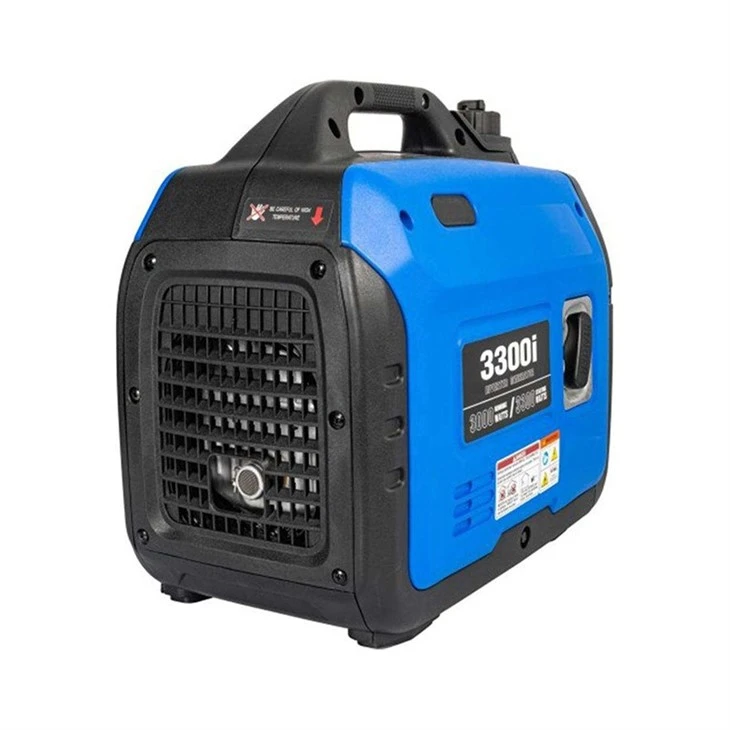
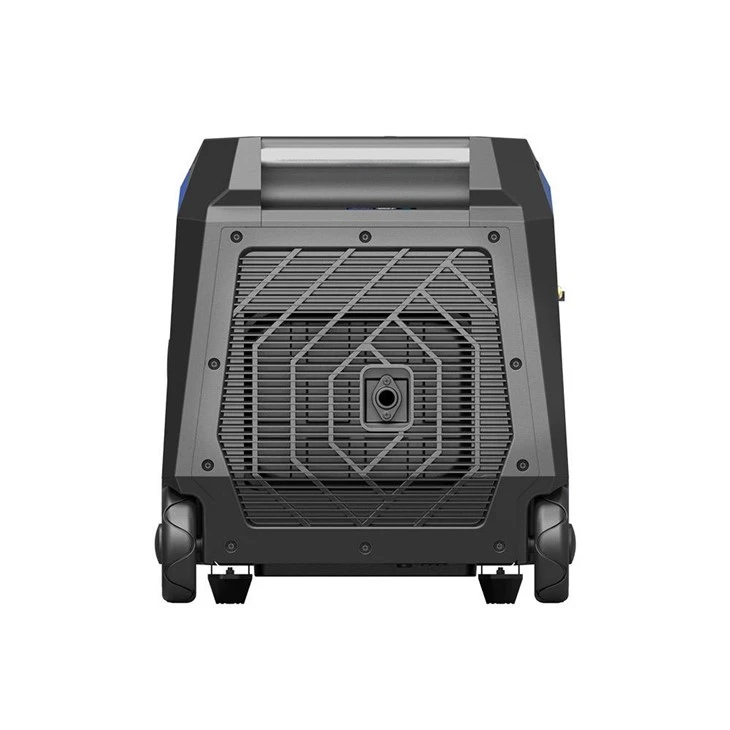
At our company, we offer a wide range of Portable Inverter Generators to suit different power requirements. Our 149CC 3000 Watt Best Silent Inverter Generator for Home Use is a popular choice for homeowners who need a reliable and quiet generator. It has a rated wattage of 3000 watts, which is more than enough to power most household appliances.
If you're looking for a quiet inverter generator, our Quite Inverter Generator is a great option. It uses advanced technology to reduce noise levels, making it perfect for camping, tailgating, and other outdoor activities.
Step 5: Consider Other Factors
In addition to the power requirements, there are a few other factors you should consider when choosing an inverter generator. These include:
- Fuel Efficiency: Look for a generator that is fuel-efficient to save money on fuel costs.
- Runtime: Consider how long you need the generator to run on a single tank of fuel.
- Portability: If you need to move the generator around, choose one that is lightweight and easy to carry.
- Noise Level: If you're using the generator in a residential area or a quiet environment, look for a generator with a low noise level.
- Safety Features: Make sure the generator has safety features like overload protection and low oil shutdown.
Conclusion
Calculating the power requirements for an inverter generator is not as complicated as it might seem. By following these simple steps, you can choose the right generator for your needs and ensure that it can handle all your appliances.
If you have any questions or need help choosing the right inverter generator, don't hesitate to contact us. We're here to help you find the perfect generator for your home, business, or outdoor activities. Whether you're looking for a small portable generator or a large standby generator, we have a wide range of options to choose from.
So, what are you waiting for? Contact us today to start the procurement process and get the best inverter generator for your needs. We look forward to working with you!
References
- "Generator Wattage Calculator." Generator Supercenter.
- "How to Calculate Generator Size." Generac Power Systems.
- "Understanding Starting and Running Watts." Champion Power Equipment.