

As a self - propelled lawn mowers supplier, I've had numerous customers ask about the noise levels of these machines. Noise can be a significant concern, especially for those living in close - knit neighborhoods or with noise - sensitive family members. In this blog, I'll delve into the noise aspects of self - propelled lawn mowers, exploring the factors that influence noise, typical noise levels, and how to manage the noise.
Factors Affecting the Noise of Self - Propelled Lawn Mowers
The noise produced by self - propelled lawn mowers is influenced by several key factors. The first and most obvious is the power source. There are mainly two types of self - propelled lawn mowers: gas - powered and electric.
Gas - powered self - propelled lawn mowers are generally louder than their electric counterparts. The internal combustion engine in gas mowers operates by burning fuel, which creates a series of small explosions. These explosions generate high - pressure waves that result in the characteristic loud rumbling noise. For example, a [Craftsman Store 163cc 22 - in Gas Self - propelled Lawn Mower](/lawn - mowers/self - propelled - lawn - mowers/craftsman - store - 163cc - 22 - in - gas - self.html) has a relatively large engine capacity, and its operation involves a significant amount of fuel combustion, leading to a substantial amount of noise.
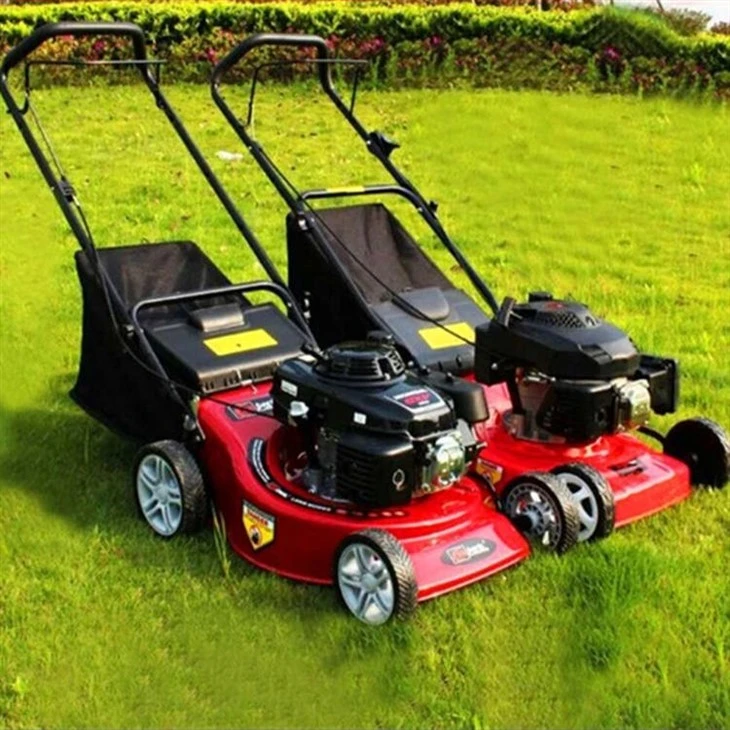
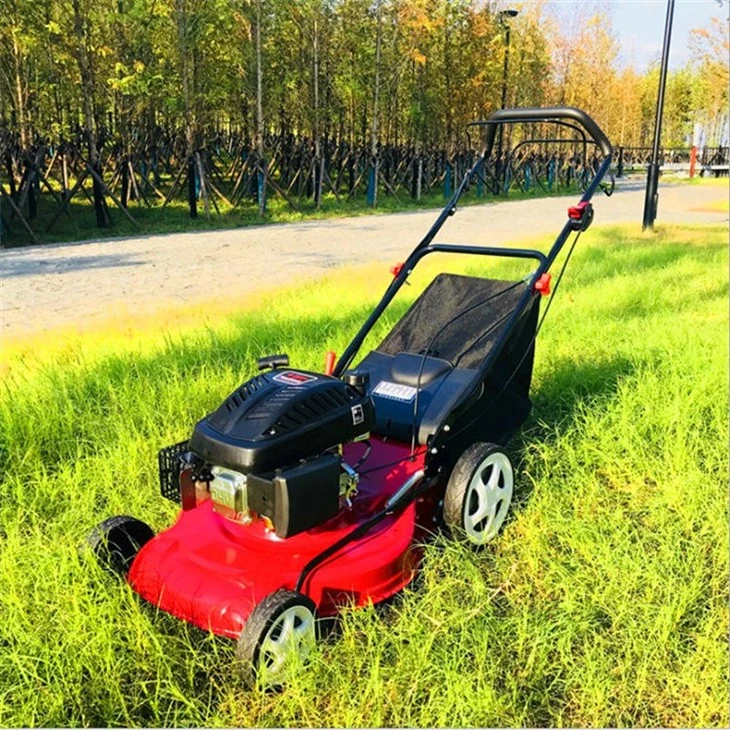
On the other hand, electric self - propelled lawn mowers, whether corded or cordless, tend to be quieter. Corded electric mowers draw power from an electrical outlet, and the electric motor operates more smoothly compared to a gas engine. Cordless electric mowers, which are powered by rechargeable batteries, also have relatively silent motors. However, the noise from the cutting blades remains present in both types of electric mowers.
The design and construction of the mower also play a role in noise production. A well - designed mower with proper insulation and vibration - dampening features can reduce noise. For instance, mowers with rubber - mounted engines or noise - absorbing materials in the housing can help to contain and reduce the noise that reaches the operator and the surrounding environment.
The cutting blades are another source of noise. As the blades spin at high speeds to cut through the grass, they create a whooshing sound. The sharpness of the blades, the number of blades, and their rotation speed all affect the noise level. Dull blades may require more power to cut the grass, which can increase the overall noise of the mower.
Typical Noise Levels of Self - Propelled Lawn Mowers
The noise levels of self - propelled lawn mowers are usually measured in decibels (dB). Gas - powered self - propelled lawn mowers typically produce noise levels ranging from 80 dB to 100 dB. To put this into perspective, normal conversation is around 60 dB, and prolonged exposure to noise above 85 dB can cause hearing damage. A high - powered gas mower, such as the [173cc 21 - in Gas Self - propelled Reel Lawn Mower](/lawn - mowers/self - propelled - lawn - mowers/173cc - 21 - in - gas - self - propelled - reel - lawn.html), may reach the upper end of this range, especially when operating at full throttle.
Electric self - propelled lawn mowers, as mentioned earlier, are quieter. Corded electric mowers generally produce noise levels between 70 dB and 80 dB, while cordless electric mowers are often in the range of 65 dB to 75 dB. These lower noise levels make them a more attractive option for those who are sensitive to noise or live in areas with noise restrictions.
Managing the Noise of Self - Propelled Lawn Mowers
If you're concerned about the noise of your self - propelled lawn mower, there are several strategies you can adopt. Firstly, choose the right time to mow your lawn. Avoid mowing early in the morning or late at night when your neighbors are likely to be sleeping. Most local regulations have specific time limits for noisy activities like lawn mowing, so it's important to be aware of and comply with these rules.
Wearing hearing protection is also a good idea, especially when using a gas - powered mower. Earplugs or earmuffs can significantly reduce the amount of noise that reaches your ears, protecting your hearing from potential damage.
Regular maintenance of your lawn mower can help to keep the noise level in check. Keep the engine tuned, the blades sharp, and the mower clean. A well - maintained mower operates more efficiently and quietly. For example, a sharp blade will cut through the grass more easily, reducing the strain on the engine and thus the noise it produces.
If possible, consider using an electric self - propelled lawn mower. The lower noise levels of electric mowers make them a more neighbor - friendly option. They also have the added benefits of being more environmentally friendly and easier to maintain compared to gas mowers.
Why Our Self - Propelled Lawn Mowers Stand Out
As a supplier, we take pride in offering a wide range of self - propelled lawn mowers that are designed with noise reduction in mind. Our gas - powered mowers are equipped with advanced engine technology and noise - dampening features to minimize the noise they produce. We also offer a variety of electric mowers that provide a quiet and efficient lawn - mowing experience.
Our team of experts is always available to help you choose the right lawn mower based on your specific needs, including noise concerns. Whether you have a small urban yard or a large rural property, we have a solution for you.
Contact Us for Procurement
If you're interested in purchasing self - propelled lawn mowers, we invite you to get in touch with us. We offer competitive prices, high - quality products, and excellent customer service. Whether you're a homeowner looking for a reliable lawn mower or a business in need of multiple units, we can assist you.
References
- "Noise Levels of Outdoor Power Equipment" - Journal of Environmental Noise Research
- "A Guide to Choosing the Right Lawn Mower" - Home and Garden Magazine
- "How to Reduce Noise Pollution from Lawn Mowers" - Environmental Protection Agency Publications