

Wet snow, a common winter phenomenon, can pose unique challenges to snow removal equipment. As a leading single stage snow blower supplier, we understand the intricacies of how wet snow impacts the performance of these machines. In this blog, we will delve into the effects of wet snow on single stage snow blowers, explore the underlying reasons, and offer insights on how to optimize their performance in such conditions.
The Nature of Wet Snow
Wet snow is characterized by its high moisture content, which gives it a heavy and sticky consistency. This type of snow forms when the temperature is near the freezing point, allowing the snowflakes to partially melt and clump together. As a result, wet snow is denser and more difficult to move compared to dry, powdery snow.
Impact on Single Stage Snow Blower Performance
Reduced Throwing Distance
One of the most noticeable effects of wet snow on a single stage snow blower is the reduced throwing distance. The heavy and sticky nature of wet snow makes it more difficult for the impeller to propel the snow out of the chute. As a result, the snow may not be thrown as far as it would be in dry snow conditions. This can be a significant drawback, especially when clearing large areas or when trying to pile the snow away from driveways and sidewalks.
Clogging
Another common issue with wet snow is clogging. The sticky snow can adhere to the impeller, chute, and other components of the snow blower, causing blockages. This can lead to reduced performance, increased wear and tear on the machine, and even damage if the clog is not cleared promptly. Clogging can also be a safety hazard, as it may cause the machine to overheat or malfunction.
Increased Wear and Tear
The heavy and abrasive nature of wet snow can also cause increased wear and tear on the components of a single stage snow blower. The impeller, in particular, is subjected to a lot of stress when dealing with wet snow, as it has to work harder to break up and move the snow. Over time, this can lead to premature wear and damage to the impeller, as well as other parts of the machine.
Reduced Efficiency
All of these factors combined can result in reduced efficiency when using a single stage snow blower in wet snow conditions. The machine may take longer to clear an area, require more frequent maintenance, and may not perform as well as it would in dry snow conditions. This can be frustrating for users, especially when they are trying to clear their driveways and sidewalks quickly and efficiently.
Why Wet Snow Affects Single Stage Snow Blowers
Design Limitations
Single stage snow blowers are designed primarily for light to moderate snowfall and dry, powdery snow conditions. Their simple design, which consists of a single impeller that both picks up and throws the snow, is not well-suited for handling heavy, wet snow. The impeller may not be able to generate enough force to break up and move the wet snow effectively, leading to reduced performance and clogging.
Lack of Auger
Unlike two stage snow blowers, which have a separate auger to break up and move the snow before it reaches the impeller, single stage snow blowers rely solely on the impeller to perform both functions. This can be a disadvantage when dealing with wet snow, as the impeller may not be able to break up the heavy and sticky snow as effectively as an auger.
Limited Power
Single stage snow blowers typically have less power than two stage snow blowers, which can make it more difficult to handle wet snow. The reduced power can result in slower impeller speeds, which can further reduce the throwing distance and increase the likelihood of clogging.
Optimizing Performance in Wet Snow Conditions
Choose the Right Snow Blower
When selecting a single stage snow blower, it is important to choose one that is designed to handle wet snow. Look for a snow blower with a powerful engine, a large impeller, and a chute that is designed to prevent clogging. Some models also feature anti-clogging systems, such as heated chutes or self-cleaning impellers, which can help to improve performance in wet snow conditions.
Use the Right Technique
Using the right technique when operating a single stage snow blower in wet snow conditions can also help to improve performance. Start by making multiple passes over the snow, rather than trying to clear it all in one go. This will help to break up the snow and make it easier for the impeller to move it. Use a slower speed setting to allow the impeller to work more effectively, and avoid overloading the machine.
Keep the Machine Clean
Regular maintenance and cleaning are essential for keeping a single stage snow blower in good working condition, especially when dealing with wet snow. After each use, make sure to clean the impeller, chute, and other components of the machine to remove any snow or ice that may have accumulated. This will help to prevent clogging and reduce wear and tear on the machine.
Consider a Two Stage Snow Blower
If you live in an area that experiences a lot of wet snow, you may want to consider upgrading to a two stage snow blower. Two stage snow blowers are designed to handle heavy and wet snow more effectively, thanks to their separate auger and impeller system. They also typically have more power and a larger throwing distance, which can make them a better choice for clearing large areas.
Our Single Stage Snow Blowers
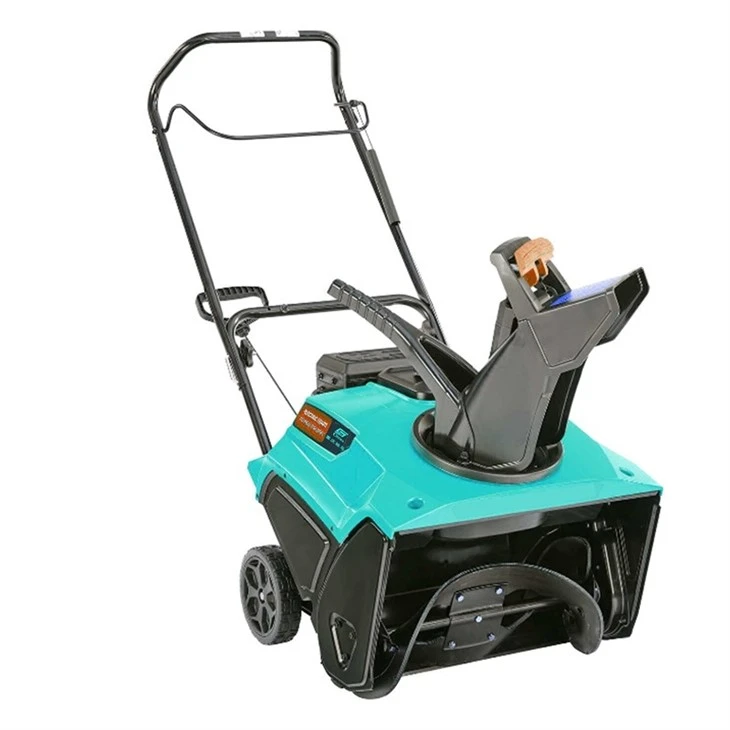
At our company, we offer a range of single stage snow blowers that are designed to handle wet snow and other challenging winter conditions. Our Commercial Single Stage 21 Inch Gas Powered Snow Blower is a powerful and reliable machine that is ideal for commercial and residential use. It features a 21-inch clearing width, a powerful gas engine, and a durable impeller that is designed to break up and move wet snow effectively.
Our Certified Small 21 Inch Gas Single Stage Snow Blower is a compact and lightweight machine that is perfect for clearing small driveways and sidewalks. It features a 21-inch clearing width, a powerful gas engine, and a chute that is designed to prevent clogging.
Our Professional Large Single Stage 21 Gas Snow Blower is a heavy-duty machine that is designed for professional use. It features a 21-inch clearing width, a powerful gas engine, and a large impeller that is designed to handle heavy and wet snow with ease.

Contact Us for Purchasing and Consultation
If you are interested in purchasing a single stage snow blower or have any questions about how wet snow affects their performance, please do not hesitate to contact us. Our team of experts is always ready to assist you in choosing the right snow blower for your needs and providing you with the information and support you need to keep your machine running smoothly.
References
- "Snow Blower Buying Guide." Consumer Reports, https://www.consumerreports.org/snow-blowers/snow-blower-buying-guide/.
- "How to Choose the Right Snow Blower." Lowe's, https://www.lowes.com/n/how-to/how-to-choose-a-snow-blower.
- "Snow Blower Maintenance Tips." The Family Handyman, https://www.familyhandyman.com/article/snow-blower-maintenance-tips/.