

Hey there! I'm a supplier of gasoline generators, and I've seen firsthand how altitude can mess with these machines. In this blog, I'll break down how altitude affects a gasoline generator's performance and what you can do about it.
Let's start with the basics. Gasoline generators work by burning fuel to create mechanical energy, which is then converted into electrical energy. For this combustion process to happen efficiently, a proper mixture of air and fuel is crucial. At sea level, the air has a certain density and oxygen content that generators are typically designed to work with. But as you go up in altitude, things start to change.
Air Density and Oxygen Levels
One of the main things that happens as you increase altitude is that the air gets thinner. This means there's less oxygen available for the combustion process. You see, when a generator burns gasoline, it needs oxygen to break down the fuel molecules and release energy. With less oxygen at higher altitudes, the combustion process becomes less efficient.
Think of it like trying to light a fire in a place with less air. The fire won't burn as brightly or as hot. Similarly, a gasoline generator at high altitude won't be able to burn the fuel as effectively, which leads to a decrease in power output. For every 1000 feet (about 300 meters) increase in altitude, the power output of a gasoline generator can drop by about 3 - 5%. So, if you have a generator that's rated for 5000 watts at sea level, at 5000 feet (about 1500 meters), it might only be able to produce around 4000 - 4250 watts.
Carburetor Adjustment
Most gasoline generators use a carburetor to mix the air and fuel. At higher altitudes, the carburetor needs to be adjusted to account for the thinner air. The carburetor is basically a device that controls the amount of air and fuel that goes into the engine. When the air is thinner, you need to reduce the amount of fuel going in to maintain the right air - fuel ratio.
If the carburetor isn't adjusted properly for high altitude, the engine might run too rich (too much fuel relative to the amount of air). This can cause a bunch of problems. The engine might run rough, produce more emissions, and even overheat. On the other hand, if the carburetor is adjusted too lean (too little fuel), the engine might stall or not have enough power.
Some modern generators come with altitude - compensating carburetors. These carburetors are designed to automatically adjust the air - fuel mixture based on the altitude. But if your generator doesn't have this feature, you'll need to manually adjust the carburetor. It's not the easiest thing to do, and if you're not comfortable with it, it's best to have a professional do it.
Cooling and Lubrication
Altitude can also affect the cooling and lubrication systems of a gasoline generator. The thinner air at high altitudes is less effective at cooling the engine. Since the combustion process generates a lot of heat, the engine needs to be cooled properly to prevent overheating. With less dense air, the cooling fins on the engine and the cooling fan might not be as effective at dissipating heat.
As for lubrication, the oil in the generator also needs to be able to flow properly to lubricate the moving parts. The thinner air can cause the oil to heat up more quickly, which can change its viscosity. If the oil gets too thin, it won't provide adequate lubrication, and if it gets too thick, it won't flow properly. So, it's important to use the right type of oil for high - altitude conditions.
Impact on Starting
Starting a gasoline generator at high altitude can be more challenging. The reduced oxygen levels make it harder for the engine to start. The spark plugs need to ignite the air - fuel mixture, but with less oxygen, the mixture might not ignite as easily. You might need to pull the starter cord more times or use a choke more aggressively to get the engine going.
What Can You Do?
If you're planning to use a gasoline generator at high altitude, here are some things you can do:
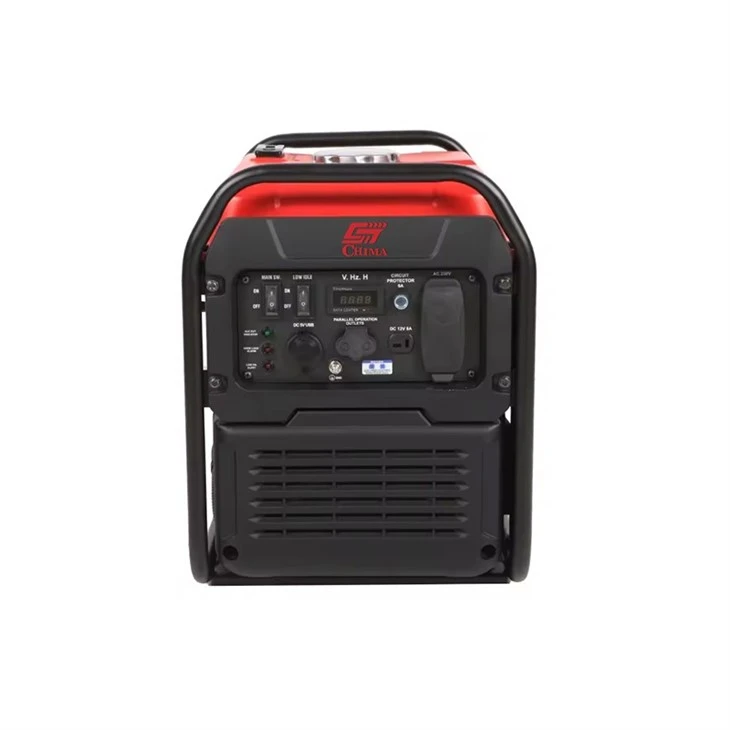
- Choose the Right Generator: If you know you'll be using the generator at high altitude, consider getting a generator that's designed for high - altitude use. Some generators are specifically built to handle the thinner air and reduced oxygen levels. Check out our 3kw 60HZ Portable Small Natural Gas Generator for Home which is a great option for various applications, even at higher altitudes.
- Adjust the Carburetor: As mentioned earlier, if your generator doesn't have an altitude - compensating carburetor, you'll need to adjust it. You can find instructions in the generator's manual or consult a professional.
- Use the Right Oil: Make sure to use oil that's suitable for high - altitude conditions. This will help keep the engine properly lubricated and prevent overheating.
- Maintain the Generator: Regular maintenance is crucial, especially at high altitudes. Check the spark plugs, air filter, and fuel filter regularly. A dirty air filter can further restrict the airflow, making the altitude problems even worse.
Conclusion
Altitude can have a significant impact on the performance of a gasoline generator. From reduced power output to starting difficulties, there are several challenges you might face when using a generator at high altitude. But with the right knowledge and proper preparation, you can still get the most out of your generator.
If you're in the market for a gasoline generator, whether for home use or other applications, we've got a great selection. Check out our Gasoline Powered Home Standby Small Portable Generators and 50HZ Gasoline Generator. If you have any questions about which generator is right for you, especially if you're dealing with high - altitude conditions, don't hesitate to reach out. We're here to help you make the best choice and ensure that your generator performs at its best. Let's start a conversation about your generator needs and find the perfect solution for you.

References
- "Small Gasoline Engine Technology" by the American Society of Agricultural and Biological Engineers
- Generator user manuals from various manufacturers