

As a supplier of self - propelled lawn mowers, I've encountered numerous customers who come to me with the same frustrating problem: their self - propelled lawn mower won't start. In this blog post, I'll share some comprehensive troubleshooting steps that can help you diagnose and potentially fix the issue with your lawn mower.
1. Check the Fuel System
The first and most basic thing to examine is the fuel system. Without proper fuel, your lawn mower simply won't run.
Fuel Level
It might seem obvious, but many people forget to check the fuel level. Make sure your lawn mower has an adequate amount of fresh gasoline. Old gasoline can break down over time, causing it to lose its combustibility. If the gasoline in your tank is more than a few months old, it's a good idea to drain it and refill with fresh fuel.
Fuel Quality
The quality of the fuel also matters. Use high - octane gasoline with no more than 10% ethanol. Ethanol can attract water, which can lead to corrosion in the fuel system and engine problems. Also, make sure the fuel you're using is clean and free from debris.
Fuel Line
Inspect the fuel line for any signs of damage, such as cracks, leaks, or blockages. A damaged fuel line can prevent fuel from reaching the engine. If you find any issues with the fuel line, it may need to be replaced. You can find replacement fuel lines at most hardware stores or directly from the lawn mower manufacturer.
2. Examine the Spark Plug
The spark plug is responsible for igniting the fuel - air mixture in the engine. If it's not working properly, the engine won't start.
Spark Plug Inspection
Remove the spark plug wire and use a spark plug socket to remove the spark plug. Check the spark plug for signs of wear, such as a fouled or worn electrode. A fouled spark plug may have a black, sooty deposit on it, which can indicate a problem with the fuel mixture or engine performance.
Spark Plug Gap
Make sure the spark plug gap is set correctly. You can use a spark plug gap tool to measure and adjust the gap according to the manufacturer's specifications. If the gap is too wide or too narrow, it can prevent the spark plug from producing a strong enough spark to ignite the fuel.
Spark Plug Replacement
If the spark plug is damaged or worn beyond repair, replace it with a new one. You can find the correct spark plug for your lawn mower in the owner's manual or by contacting the manufacturer. For example, the Craftsman Store 163cc 22 - in Gas Self - propelled Lawn Mower has specific spark plug requirements that you need to follow.
3. Evaluate the Air Filter
The air filter is designed to prevent dirt and debris from entering the engine. A clogged air filter can restrict the flow of air to the engine, causing it to run poorly or not start at all.
Air Filter Inspection
Locate the air filter housing on your lawn mower and remove the cover. Take out the air filter and inspect it for dirt and debris. If the air filter is dirty, it may need to be cleaned or replaced.
Air Filter Cleaning
If the air filter is made of foam, you can clean it by soaking it in a mild detergent and water solution. Rinse it thoroughly and let it dry completely before reinstalling it. If the air filter is made of paper, it's usually best to replace it, as paper filters can be damaged during cleaning.
Air Filter Replacement
Replacing the air filter is a simple process. Just make sure you get the correct replacement filter for your lawn mower model. A clean air filter is essential for proper engine performance, especially for high - performance models like the 173cc 21 - in Gas Self - propelled Reel Lawn Mower.
4. Look at the Carburetor
The carburetor is responsible for mixing the fuel and air in the correct proportions before it enters the engine. If the carburetor is dirty or malfunctioning, it can cause starting problems.
Carburetor Cleaning
Over time, the carburetor can become clogged with dirt, varnish, and debris. You can clean the carburetor using a carburetor cleaner. First, remove the carburetor from the engine and disassemble it carefully. Spray the carburetor cleaner into all the passages and openings, and use a small brush to remove any stubborn deposits. Make sure to follow the manufacturer's instructions when cleaning the carburetor.
Carburetor Adjustment
Some carburetors may need to be adjusted to ensure the correct fuel - air mixture. This is a more advanced procedure and may require some mechanical knowledge. If you're not comfortable adjusting the carburetor yourself, it's best to take your lawn mower to a professional repair shop.
5. Check the Starter System
The starter system is what gets the engine running. If there's a problem with the starter, the engine won't start.
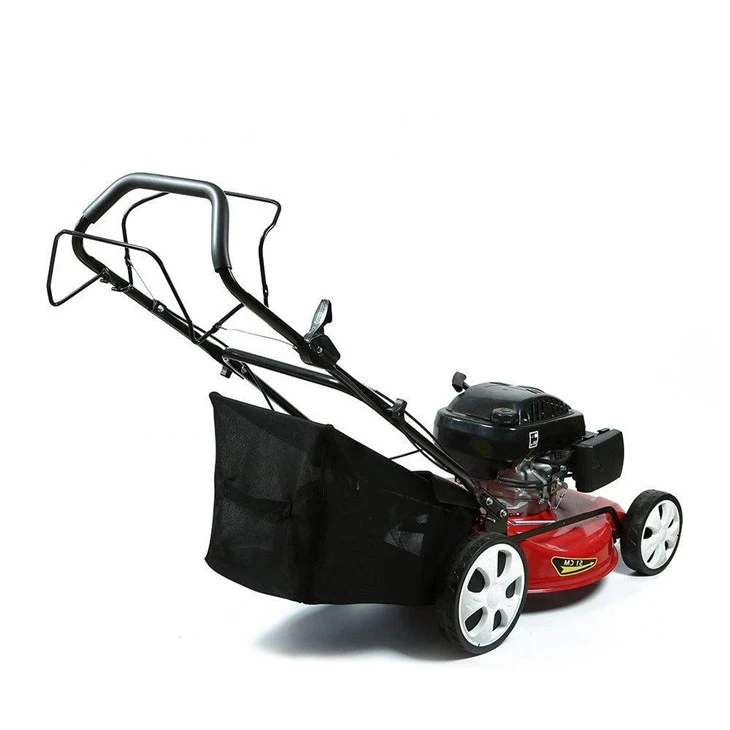
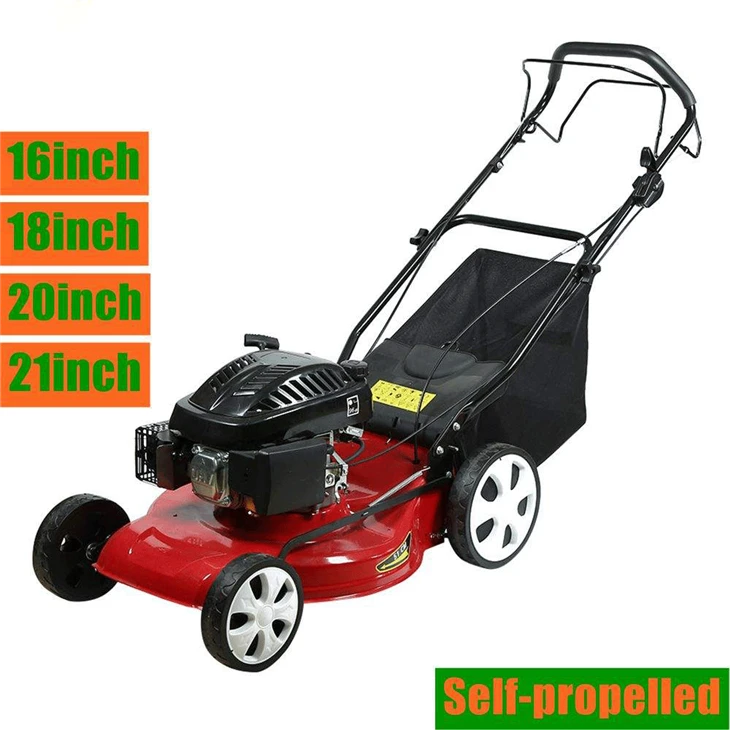
Recoil Starter
If your lawn mower has a recoil starter, check the starter rope for any signs of damage or wear. A frayed or broken starter rope will need to be replaced. Also, make sure the recoil spring is working properly. If the recoil spring is weak or broken, the starter may not engage correctly.
Electric Starter
For lawn mowers with an electric starter, check the battery to make sure it's fully charged. A dead or weak battery can prevent the electric starter from working. You can use a battery charger to recharge the battery if necessary. Also, check the starter solenoid and wiring for any signs of damage or loose connections.
6. Other Possible Issues
There are some other factors that can cause a self - propelled lawn mower not to start.
Safety Features
Many modern lawn mowers have safety features, such as a seat switch or blade engagement switch. Make sure these safety features are working properly and engaged correctly. If a safety switch is malfunctioning, it can prevent the engine from starting.
Engine Compression
Low engine compression can also cause starting problems. You can use a compression tester to check the engine compression. If the compression is too low, it may indicate a problem with the piston rings, valves, or cylinder head. This is a more serious issue that may require professional repair.
In conclusion, troubleshooting a self - propelled lawn mower that won't start can be a bit of a process, but by following these steps, you can often identify and fix the problem on your own. If you're still having trouble after trying these troubleshooting steps, or if you're not comfortable working on your lawn mower, don't hesitate to contact us. As a leading supplier of self - propelled lawn mowers, we have a team of experts who can provide you with further assistance and advice. Whether you need replacement parts, professional repair services, or are interested in purchasing a new lawn mower, we're here to help. Reach out to us for all your lawn mower needs, and let's start making your lawn - care tasks easier and more efficient.
References
- Lawn Mower Owner's Manuals
- Manufacturer's Technical Documentation
- General Knowledge from Years of Lawn Mower Supply and Repair Experience