

As a supplier of inverter generators, I often encounter customers who are interested in parallelizing two inverter generators to increase their power output. Parallelizing inverter generators is a practical solution when you need more power than a single unit can provide, such as for larger camping setups, RVs, or some small construction sites. In this blog, I'll guide you through the process of parallelizing two inverter generators, offering detailed steps and essential tips.
Understanding Inverter Generators
Before we dive into the parallelization process, it's important to understand what inverter generators are. Inverter generators are a type of generator that produces AC power, which is then converted into DC power and back to a stable AC power. This process results in clean and stable electricity, which is safe for sensitive electronic devices like laptops, smartphones, and televisions. You can find a variety of Portable Inverter Generators on our website, each designed to meet different power needs.
Why Parallel Two Inverter Generators?
There are several reasons why you might want to parallel two inverter generators. The most obvious one is to increase power output. For example, if you have a 3kva Portable Super Quiet Inverter Generator for Camping and you need more power to run additional appliances, parallelizing it with another compatible generator can double your available power. Additionally, parallelizing generators can provide redundancy. If one generator fails, the other can still provide some power. It can also be more fuel - efficient as you can adjust the load between the two generators.
Compatibility Requirements
Not all inverter generators can be parallelized. To parallel two inverter generators, they must meet certain compatibility requirements:

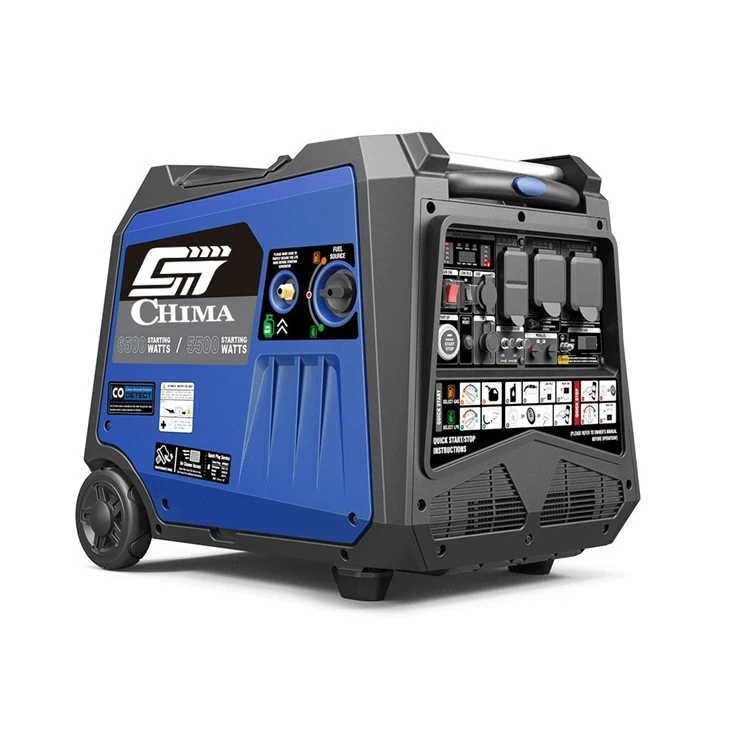
- Same Brand and Model: In most cases, the two generators should be of the same brand and model. This ensures that they have the same electrical characteristics, such as voltage, frequency, and phase. For example, our Quite Inverter Generator can only be paralleled with another unit of the same model.
- Parallel Kit: You will need a parallel kit specifically designed for your generator model. The parallel kit allows the two generators to communicate with each other and synchronize their output. It also provides a single connection point for your electrical devices.
Step - by - Step Guide to Parallelize Two Inverter Generators
Step 1: Prepare the Generators
- Location: Place the two generators in a well - ventilated area at least 3 feet apart from each other and away from any combustible materials. Make sure the ground is level to prevent the generators from tipping over.
- Check Fuel and Oil: Ensure that both generators have enough fuel and that the oil levels are within the recommended range. Refer to the generator's user manual for specific instructions.
Step 2: Install the Parallel Kit
- Components Check: Open the parallel kit and check for all the necessary components. The kit usually includes a parallel cable, a connector box, and sometimes additional cables for power output.
- Connect the Parallel Cable: Connect one end of the parallel cable to the parallel port on one generator. Then, connect the other end of the cable to the corresponding parallel port on the second generator. Make sure the connections are secure.
Step 3: Start the Generators
- Prime the Generators: Follow the startup procedure in the user manual for each generator. This usually involves turning on the fuel valve, setting the choke, and pulling the starter cord or pressing the electric start button.
- Synchronize the Generators: Once both generators are running, they will automatically synchronize their output through the parallel kit. You may need to wait a few minutes for the synchronization to complete.
Step 4: Connect Your Electrical Devices
- Use the Output Ports: After synchronization, you can use the output ports on the parallel kit to connect your electrical devices. Make sure not to exceed the combined power rating of the two generators.
Safety Precautions
- Read the Manual: Always read the user manuals for your generators and the parallel kit before attempting to parallel them. The manuals contain important safety information and specific instructions.
- Grounding: Ensure that both generators are properly grounded. This helps prevent electrical shock in case of a fault.
- No Overloading: Do not overload the generators. Exceeding the power rating can cause damage to the generators and pose a fire hazard.
Maintenance Considerations
- Regular Inspections: Periodically inspect the generators and the parallel kit for any signs of damage, such as loose connections or frayed cables.
- Cleaning: Keep the generators clean and free of dirt and debris. This helps maintain their performance and longevity.
- Service Schedule: Follow the recommended service schedule for your generators. This includes oil changes, air filter replacements, and spark plug inspections.
Conclusion
Parallelizing two inverter generators is a great way to increase power output and meet your specific power needs. By following the steps outlined in this blog and taking the necessary safety precautions, you can safely and effectively parallel your generators. If you have any questions or need more information about our inverter generators or parallelization, feel free to reach out to us. We are always ready to assist you with your power - related needs. Whether you're a camping enthusiast, an RV owner, or a contractor, our inverter generators can provide the reliable power you require. Contact us today to discuss your requirements and explore our range of products.
References
- Manufacturer's user manuals for inverter generators and parallel kits.
- Industry standards and guidelines for generator operation and parallelization.