

Hey there, fellow lawn enthusiasts! I'm a supplier of self - propelled lawn mowers, and I know firsthand how important it is to keep your gas - powered self - propelled lawn mower in top shape. One of the most crucial maintenance tasks is cleaning the carburetor. A dirty carburetor can lead to all sorts of problems, like rough idling, poor performance, and even engine stalling. So, let's dive into how you can clean the carburetor in your gas - powered self - propelled lawn mower.
Why Clean the Carburetor?
Before we get into the nitty - gritty of cleaning, let me tell you why it's so important. The carburetor is responsible for mixing air and fuel in the right proportions to ensure proper combustion in the engine. Over time, dirt, debris, and old fuel can build up inside the carburetor, clogging the small passages and jets. This disrupts the air - fuel mixture, and your lawn mower won't run as efficiently as it should.
Gather Your Tools and Supplies
First things first, you'll need to gather the necessary tools and supplies. Here's what you'll need:
- A socket set: This will help you remove the parts of the lawn mower that are in the way of accessing the carburetor.
- Carburetor cleaner: You can find this at any auto parts store or home improvement center. It's specially formulated to dissolve dirt and grime in the carburetor.
- A small brush: A toothbrush or a small wire brush will work great for scrubbing hard - to - reach areas.
- Safety goggles and gloves: Carburetor cleaner can be harsh on your skin and eyes, so it's important to protect yourself.
- A clean cloth: To wipe down the parts after cleaning.
Prepare Your Lawn Mower
Safety should always be your top priority. Before you start working on the carburetor, make sure the lawn mower is turned off and the engine is cool. Remove the spark plug wire to prevent accidental starting. You don't want the engine to kick on while you're working!
Locate the Carburetor
The carburetor is usually located on the side of the engine. It's a small, metal component with a series of hoses and tubes connected to it. You may need to remove a few parts, like the air filter housing or the fuel tank, to get to it. Use your socket set to carefully remove any bolts or screws holding these parts in place.
Remove the Carburetor
Once you've accessed the carburetor, it's time to remove it from the engine. Start by disconnecting the fuel line and any other hoses attached to the carburetor. Be careful not to damage the hoses. Then, use your socket set to remove the bolts that hold the carburetor in place. Gently lift the carburetor out of the engine.
Disassemble the Carburetor
Now that you have the carburetor out, it's time to disassemble it. This can be a bit tricky, as there are many small parts. Take your time and keep track of where each part goes. Start by removing the bowl at the bottom of the carburetor. This is where the fuel collects. You may need to use a small screwdriver to loosen the screws holding the bowl in place.
Inside the bowl, you'll find a float and a needle valve. These parts control the flow of fuel into the carburetor. Carefully remove them and set them aside. Next, remove the jets and any other small components. Make sure to keep all the parts organized, so you can put them back together correctly.

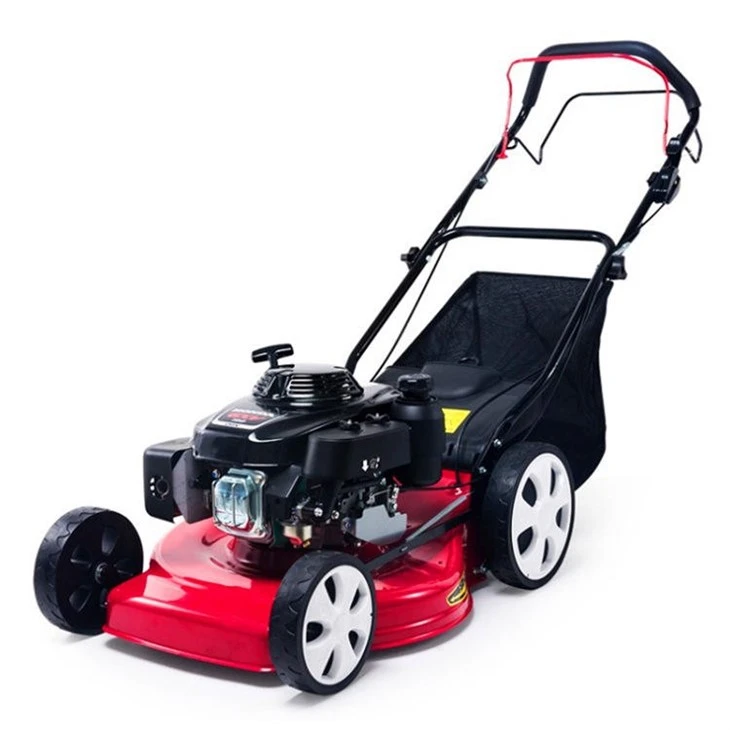
Clean the Carburetor Parts
Now it's time to clean the parts. Spray the carburetor cleaner generously on all the parts, especially the small passages and jets. Use the small brush to scrub away any dirt or debris. Pay close attention to the jets, as they are the most likely to get clogged. You may need to use a thin wire or a small pin to clear any blockages in the jets.
Let the parts soak in the carburetor cleaner for a few minutes. This will help dissolve any stubborn grime. Then, rinse the parts with clean water and dry them thoroughly with a clean cloth.
Reassemble the Carburetor
Once all the parts are clean and dry, it's time to put the carburetor back together. Start by reinstalling the jets and other small components. Then, put the float and needle valve back in the bowl. Attach the bowl to the carburetor and tighten the screws.
Install the Carburetor Back on the Lawn Mower
Carefully place the carburetor back in its original position on the engine. Reattach the bolts to secure it in place. Connect the fuel line and any other hoses that you disconnected earlier. Make sure all the connections are tight to prevent fuel leaks.
Reinstall the Spark Plug Wire and Other Parts
Put the spark plug wire back on the spark plug. Reinstall any parts that you removed to access the carburetor, like the air filter housing and the fuel tank.
Test Your Lawn Mower
Now that you've cleaned and reinstalled the carburetor, it's time to test your lawn mower. Add fresh fuel to the tank and try starting the engine. If everything was done correctly, your lawn mower should start up smoothly and run more efficiently.
Maintenance Tips
To keep your carburetor clean and your lawn mower running well, here are some maintenance tips:
- Use fresh fuel: Old fuel can break down and leave deposits in the carburetor. Try to use fresh fuel every time you fill up your lawn mower.
- Store your lawn mower properly: If you're not going to use your lawn mower for a while, drain the fuel from the tank and run the engine until it runs out of fuel. This will prevent fuel from sitting in the carburetor and causing problems.
- Replace the air filter regularly: A dirty air filter can allow dirt and debris to enter the carburetor. Replace the air filter according to the manufacturer's recommendations.
Our Self - Propelled Lawn Mowers
As a self - propelled lawn mowers supplier, I'm proud to offer a wide range of high - quality lawn mowers. Check out our 173cc 21 - in Gas Self - propelled Reel Lawn Mower and Craftsman Store 163cc 22 - in Gas Self - propelled Lawn Mower. These lawn mowers are built to last and are easy to maintain.
If you're in the market for a new self - propelled lawn mower or have any questions about carburetor cleaning or lawn mower maintenance, feel free to reach out to us. We're here to help you keep your lawn looking great all season long. Whether you're a professional landscaper or a homeowner with a small yard, we have the perfect lawn mower for you. Contact us to start a purchase negotiation, and let's find the best lawn mower solution for your needs.
References
- Small Engine Repair Manuals
- Online resources from lawn mower manufacturers