

As a supplier of single stage snow blowers, I understand the importance of maintaining the engine's performance. One crucial aspect of engine maintenance is checking the compression. In this blog post, I'll guide you through the process of checking the compression in a single stage snow blower's engine, ensuring your machine runs smoothly and efficiently during the snowy season.
Why Check Compression?
Compression is the force created when the piston compresses the air-fuel mixture in the engine's cylinder. Proper compression is essential for the engine to start, run, and perform at its best. Low compression can lead to hard starting, poor performance, and even engine failure. By regularly checking the compression, you can identify potential issues early and take the necessary steps to fix them.

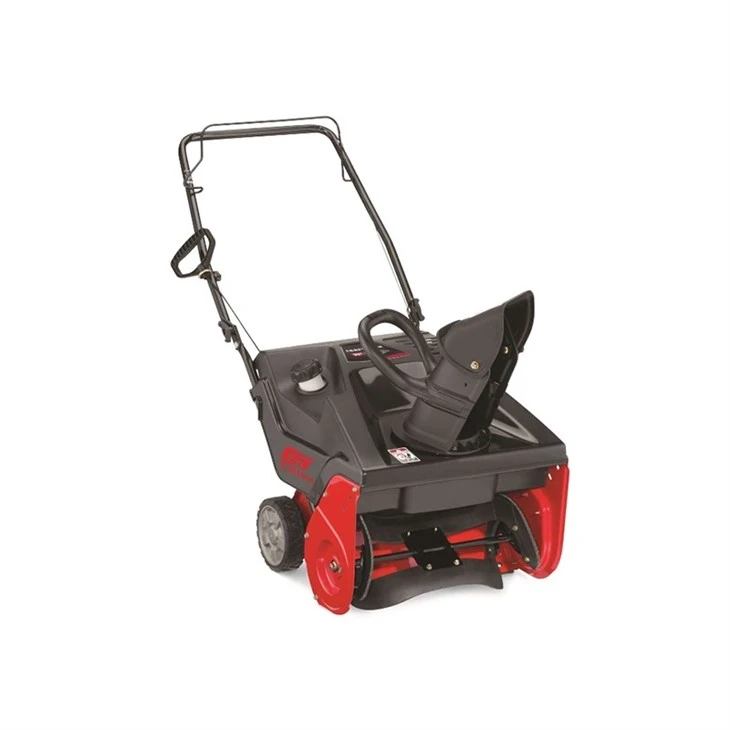
Tools You'll Need
Before you begin, gather the following tools:
- Compression tester: This tool measures the compression in the engine's cylinder. You can purchase a compression tester at most auto parts stores or online.
- Socket wrench: You'll need a socket wrench to remove the spark plug.
- Safety glasses: Protect your eyes from debris when removing the spark plug.
Step 1: Prepare the Snow Blower
- Turn off the engine: Make sure the engine is completely off and cool before you start working on it.
- Remove the spark plug wire: This prevents the engine from starting accidentally while you're checking the compression.
- Clean the area around the spark plug: Use a clean cloth to remove any dirt or debris from the area around the spark plug. This prevents dirt from entering the cylinder when you remove the spark plug.
Step 2: Remove the Spark Plug
- Use the socket wrench: Attach the appropriate socket to the wrench and remove the spark plug from the engine.
- Inspect the spark plug: Check the spark plug for signs of wear, damage, or fouling. If the spark plug is worn or damaged, replace it with a new one.
Step 3: Connect the Compression Tester
- Insert the compression tester: Insert the compression tester into the spark plug hole. Make sure the tester is firmly seated in the hole to prevent air from leaking out.
- Hold the throttle open: This allows the engine to draw in as much air as possible during the compression test.
Step 4: Perform the Compression Test
- Crank the engine: Use the starter cord or electric starter to crank the engine several times. The compression tester will display the compression reading.
- Take multiple readings: Take at least three readings to ensure accuracy. Record the highest reading.
Step 5: Interpret the Results
- Check the manufacturer's specifications: The compression reading should be within the manufacturer's specifications. You can find these specifications in the owner's manual or online.
- Low compression: If the compression reading is lower than the manufacturer's specifications, there may be a problem with the engine. Possible causes of low compression include worn piston rings, a blown head gasket, or a cracked cylinder head.
- High compression: If the compression reading is higher than the manufacturer's specifications, there may be a problem with the engine's timing or the compression ratio.
Step 6: Reassemble the Snow Blower
- Remove the compression tester: Carefully remove the compression tester from the spark plug hole.
- Install the spark plug: Use the socket wrench to install the spark plug back into the engine. Make sure the spark plug is tightened to the manufacturer's specifications.
- Reattach the spark plug wire: Connect the spark plug wire back to the spark plug.
Tips for Maintaining Proper Compression
- Use high-quality fuel: Using high-quality fuel can help prevent carbon buildup in the engine, which can affect compression.
- Change the oil regularly: Regular oil changes help keep the engine lubricated and prevent wear on the piston rings and other engine components.
- Keep the air filter clean: A clean air filter allows the engine to breathe properly, which can help maintain proper compression.
- Store the snow blower properly: When not in use, store the snow blower in a dry, protected area. This helps prevent rust and corrosion, which can affect the engine's performance.
Our Single Stage Snow Blowers
At our company, we offer a wide range of single stage snow blowers to meet your needs. Our snow blowers are designed to be reliable, efficient, and easy to use. Here are some of our popular models:
- Commercial Single Stage 21 Inch Gas Powered Snow Blower: This powerful snow blower is perfect for commercial use. It features a 21-inch clearing width and a gas-powered engine for maximum performance.
- Professional Large Single Stage 21 Gas Snow Blower: This professional-grade snow blower is designed for heavy-duty use. It features a 21-inch clearing width and a powerful gas engine for fast and efficient snow removal.
- Select 21-in 212cc Single Stage Gas Craftsman Snowblower: This Craftsman snow blower is a popular choice for homeowners. It features a 21-inch clearing width and a 212cc gas engine for reliable performance.
Contact Us for Purchasing
If you're interested in purchasing a single stage snow blower or have any questions about our products, please feel free to contact us. We're here to help you find the perfect snow blower for your needs and provide you with the best customer service possible.
References
- Snow Blower Owner's Manuals
- Automotive Repair Guides