

As a supplier of two stage snow blowers, I often receive inquiries from customers about the performance and usability of our products in extreme weather conditions, especially sub - zero temperatures. This blog post aims to provide a comprehensive answer to the question: Can I use a two stage snow blower in sub - zero temperatures?

How Two Stage Snow Blowers Work
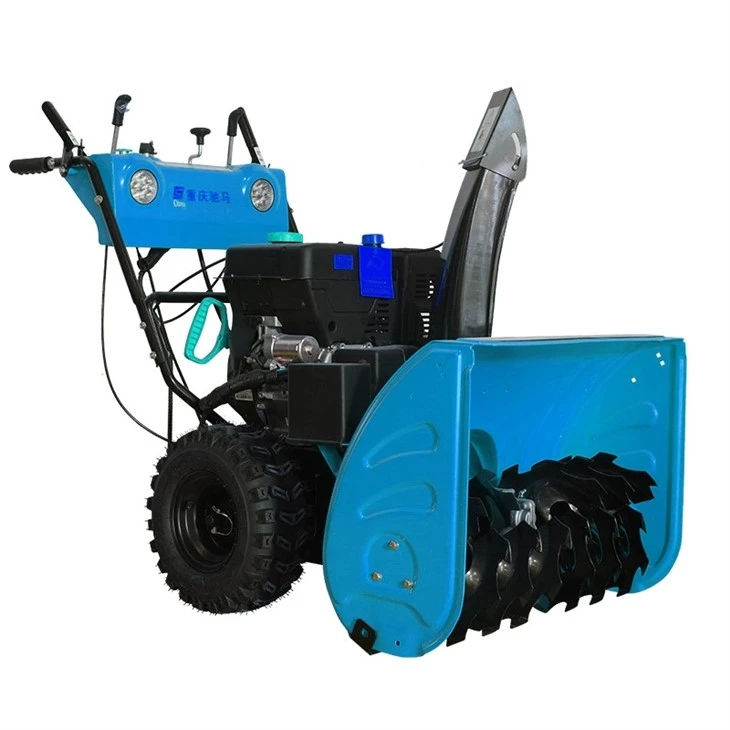
Before delving into the topic of using two stage snow blowers in sub - zero temperatures, it's essential to understand how these machines operate. A two stage snow blower consists of an auger and an impeller. The auger is responsible for collecting and breaking up the snow, while the impeller throws the snow out of the discharge chute. This two - step process allows two stage snow blowers to handle large amounts of snow quickly and efficiently, making them ideal for clearing driveways, parking lots, and other large areas.
Factors Affecting the Use of Two Stage Snow Blowers in Sub - Zero Temperatures
Engine Performance
One of the primary concerns when using a two stage snow blower in sub - zero temperatures is the engine performance. Most two stage snow blowers are powered by gasoline engines. In cold weather, gasoline can become thicker, and the engine oil may also lose its viscosity. This can make it difficult for the engine to start and may reduce its overall power output.
To mitigate these issues, it's recommended to use a high - quality gasoline with a winter - blend additive. These additives help prevent the gasoline from thickening and ensure smoother engine operation. Additionally, using the appropriate grade of engine oil for cold weather can also improve engine performance. Some modern two stage snow blowers are equipped with features such as electric starters or heated carburetors, which can make starting the engine in cold weather easier.
Snow Conditions
In sub - zero temperatures, the snow tends to be dry and powdery. While this type of snow is generally easier to move than wet, heavy snow, it can also be more difficult to collect and throw. The dry snow may not pack together well, which can cause it to slip past the auger or not be thrown as far by the impeller.
To deal with dry, powdery snow, it's important to adjust the height of the snow blower's skid shoes. Lowering the skid shoes can help the auger get closer to the ground, allowing it to collect more snow. Additionally, some two stage snow blowers have adjustable auger speed settings, which can be increased to better handle dry snow.
Component Freezing
Another potential issue in sub - zero temperatures is the freezing of components. Water can accumulate in the snow blower's discharge chute, auger housing, or other parts of the machine. When the temperature drops below freezing, this water can freeze, causing blockages and preventing the snow blower from functioning properly.
To prevent component freezing, it's important to keep the snow blower dry when not in use. After each use, allow the machine to cool down and then clean it thoroughly to remove any snow or ice. You can also apply a light coating of lubricant to the moving parts to prevent ice from forming.
Our Two Stage Snow Blower Models for Sub - Zero Conditions
We offer a range of two stage snow blowers that are designed to perform well in sub - zero temperatures.
The 24 Inch Lightweight Two Stage Self Propelled Snow Blower is a great option for homeowners. It features a powerful engine that is optimized for cold - weather starting. The self - propelled feature makes it easy to maneuver, even in deep snow. The 24 - inch clearing width allows you to clear your driveway quickly, and the adjustable chute lets you direct the snow where you want it.
Our Lightweight Gas Powered 2 Stage Snow Blowers are also suitable for sub - zero conditions. These snow blowers are built with high - quality materials that can withstand extreme cold. The gas engines are designed to provide reliable power, and the two - stage system ensures efficient snow removal.
For those with gravel driveways, the Best 24 Inch 2 Stage Compact Gas Snow Blower for Gravel Driveway is an excellent choice. It has a unique design that minimizes the risk of picking up gravel while still effectively clearing the snow. The compact size makes it easy to store, and it performs well even in very cold weather.
Tips for Using Two Stage Snow Blowers in Sub - Zero Temperatures
Pre - Use Preparation
- Check the fuel level and add a winter - blend gasoline if necessary.
- Inspect the engine oil level and change it to a cold - weather grade if needed.
- Check the tire pressure. Cold weather can cause the tire pressure to drop, so it's important to keep the tires properly inflated.
- Lubricate all moving parts, including the auger, impeller, and chute.
During Use
- Start the snow blower in a well - ventilated area and let it warm up for a few minutes before starting to clear snow.
- Make multiple passes over the snow if necessary, especially if it's deep or dry.
- Avoid overloading the snow blower. If the engine starts to bog down, slow down or reduce the amount of snow being fed into the auger.
Post - Use Maintenance
- Turn off the snow blower and let it cool down completely.
- Clean the snow blower thoroughly to remove all snow and ice. Pay special attention to the discharge chute and auger housing.
- Store the snow blower in a dry, sheltered area to prevent further exposure to cold and moisture.
Conclusion
In conclusion, it is possible to use a two stage snow blower in sub - zero temperatures, but it requires proper preparation and maintenance. By addressing the issues related to engine performance, snow conditions, and component freezing, you can ensure that your two stage snow blower operates effectively in cold weather.
If you are interested in purchasing a two stage snow blower for use in sub - zero temperatures, we are here to help. Our team of experts can provide you with detailed information about our products and assist you in choosing the right model for your needs. Contact us today to start a procurement discussion and find the perfect two stage snow blower for your winter snow removal requirements.
References
- Snow Blower Operation Manuals
- Industry Reports on Snow Blower Performance in Cold Weather
- Research on Gasoline and Engine Oil Performance in Low Temperatures